What is the Cavitation Resistance of a Soft - Seal Ball Valve?
As a supplier of soft - seal ball valves, I often encounter inquiries about the cavitation resistance of these valves. Cavitation is a phenomenon that can have a significant impact on the performance and lifespan of valves, so understanding the cavitation resistance of soft - seal ball valves is crucial for both users and suppliers.
Understanding Cavitation
Cavitation occurs when the pressure of a liquid drops below its vapor pressure, causing the formation of vapor bubbles. These bubbles then collapse when they enter a region of higher pressure. The collapse of these bubbles generates high - energy shock waves that can cause damage to the valve components, such as erosion, pitting, and noise. In severe cases, cavitation can lead to the failure of the valve, resulting in leakage and reduced system efficiency.
Factors Affecting Cavitation Resistance in Soft - Seal Ball Valves
- Material of the Seal: Soft - seal ball valves typically use materials such as rubber, PTFE (polytetrafluoroethylene), or other elastomers for the seal. The choice of material plays a vital role in cavitation resistance. For example, PTFE has excellent chemical resistance and low friction, which can help reduce the risk of cavitation - induced damage. It can withstand a certain level of pressure fluctuations without being easily eroded by the collapsing vapor bubbles.
- Valve Design: The design of the soft - seal ball valve also affects its cavitation resistance. A well - designed valve will have a smooth flow path to minimize pressure drops and turbulence. For instance, the shape of the ball and the seat can influence the flow pattern. A valve with a full - bore design allows for a more uniform flow, reducing the likelihood of cavitation. Additionally, the valve's internal geometry can be optimized to control the pressure distribution, preventing the formation of low - pressure regions where cavitation is likely to occur.
- Operating Conditions: The operating conditions, including the fluid properties, pressure, and flow rate, have a direct impact on cavitation. High - velocity flows and large pressure differentials across the valve are more likely to cause cavitation. For example, in a system where the fluid has a low vapor pressure and is flowing at a high speed, the risk of cavitation is increased. Soft - seal ball valves need to be selected and sized appropriately based on the specific operating conditions to ensure adequate cavitation resistance.
How Soft - Seal Ball Valves Resist Cavitation
- Sealing Mechanism: The soft - seal in ball valves provides a tight seal, which helps to prevent fluid leakage and reduce the chances of pressure fluctuations that can lead to cavitation. The elastic nature of the soft - seal material allows it to conform to the surface of the ball, creating a reliable barrier against fluid flow. This helps maintain a stable pressure within the valve and reduces the risk of cavitation.
- Energy Dissipation: Some soft - seal ball valves are designed with features that help dissipate the energy generated by the collapsing vapor bubbles. For example, certain valve designs may incorporate damping elements or flow - control devices that can absorb the shock waves produced during cavitation, reducing the damage to the valve components.
Applications and the Importance of Cavitation Resistance
Soft - seal ball valves are widely used in various industries, such as water treatment, chemical processing, and food and beverage. In water treatment plants, these valves are used to control the flow of water and chemicals. Cavitation can cause damage to the valves, leading to leakage and reduced water quality. Therefore, high cavitation resistance is essential to ensure the reliable operation of the water treatment system.
In the chemical processing industry, soft - seal ball valves are used to handle corrosive and high - pressure fluids. Cavitation can accelerate the corrosion process and damage the valve seals, resulting in potential safety hazards. A valve with good cavitation resistance can withstand the harsh operating conditions and ensure the safe and efficient operation of the chemical processing system.
When it comes to the food and beverage industry, soft - seal ball valves are used to control the flow of liquids such as juices, milk, and beer. Cavitation can introduce contaminants into the product and affect its quality. By using soft - seal ball valves with high cavitation resistance, manufacturers can ensure the purity and quality of their products.
Our Product Offerings and Cavitation Resistance
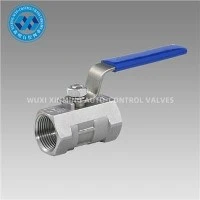
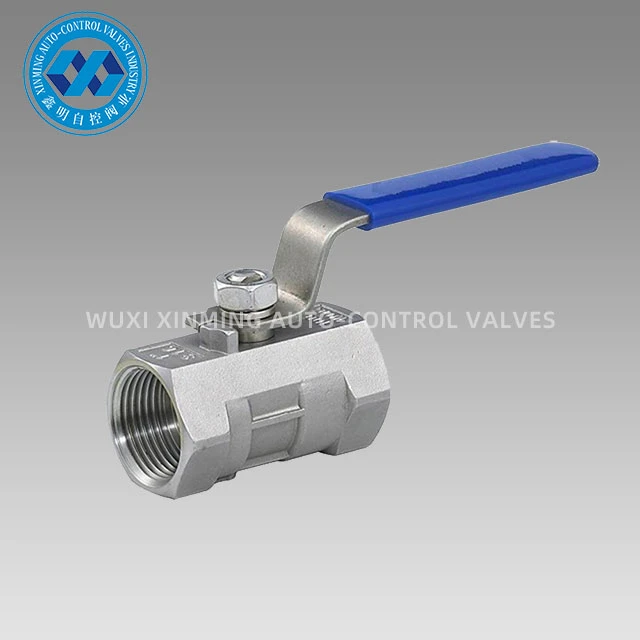
As a soft - seal ball valve supplier, we offer a wide range of products with excellent cavitation resistance. For example, our Manual 1pc Thread Ball Valve is designed with high - quality soft - seal materials and a smooth flow path to minimize the risk of cavitation. The PTFE seal provides good chemical resistance and can withstand a certain level of pressure fluctuations, making it suitable for various applications.
Our Stainless Steel Flanged Floating Jacketed Ball Valve For Investment Casting is another product that offers superior cavitation resistance. The stainless - steel construction provides durability, and the floating design helps to maintain a tight seal even under high - pressure conditions. The jacketed design can also be used to control the temperature of the fluid, which can further reduce the risk of cavitation.
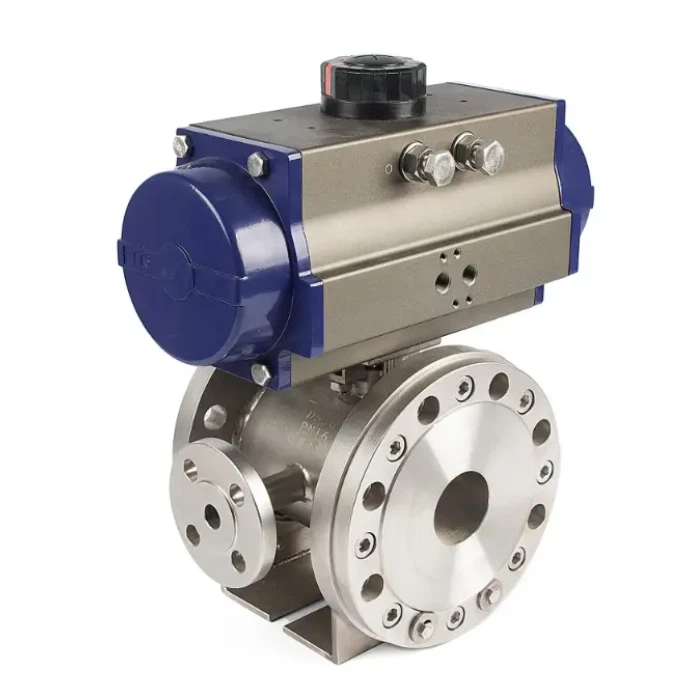
We also have the Chinese Pneumatic Actuator Wafer Thin Ball Valve Factory Price. This valve is actuated pneumatically, allowing for precise control of the flow. The wafer - thin design reduces the space requirements and provides a smooth flow path, which is beneficial for cavitation resistance.
Conclusion
Cavitation resistance is an important characteristic of soft - seal ball valves. By understanding the factors that affect cavitation resistance, such as the seal material, valve design, and operating conditions, users can select the right valve for their applications. As a supplier, we are committed to providing high - quality soft - seal ball valves with excellent cavitation resistance. If you are in need of soft - seal ball valves for your project, please feel free to contact us for procurement and further discussion. We can provide you with detailed product information and technical support to ensure that you get the most suitable valves for your specific requirements.
References
- "Valve Handbook", by J. F. Fair, Gulf Professional Publishing, 2004.
- "Cavitation in Valves: Causes, Effects, and Prevention", ASME Journal of Fluids Engineering, various issues.
- "Materials for Valve Seals and Their Performance in Different Environments", International Journal of Material Science, 2018.