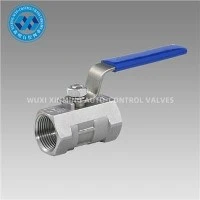
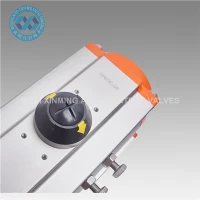
Hey there! As a supplier of vacuum ball valves, I often get asked about the types of actuators that can be used with these valves. Actuators play a crucial role in controlling the operation of vacuum ball valves, and choosing the right one can significantly impact the performance and efficiency of your system. In this blog post, I'll walk you through some of the most common types of actuators that are compatible with vacuum ball valves.

Electric Actuators
Electric actuators are a popular choice for many applications because they're easy to install and operate. They use an electric motor to turn the valve stem, which opens or closes the valve. One of the main advantages of electric actuators is their precision. You can control the position of the valve very accurately, which is great for applications where you need to regulate the flow of fluids or gases precisely.
For example, in a chemical processing plant, you might need to control the flow of a corrosive liquid very precisely. An electric actuator can be programmed to open or close the valve to a specific degree, ensuring that the right amount of liquid is flowing through the system at all times.
Another benefit of electric actuators is that they're relatively quiet compared to other types of actuators. This makes them a good choice for applications where noise is a concern, such as in a laboratory or a hospital.
However, electric actuators do have some drawbacks. They require a power source, which means you need to have electrical wiring installed in your system. They can also be more expensive than other types of actuators, especially if you need a high-torque actuator for a large valve.
Pneumatic Actuators
Pneumatic actuators use compressed air to operate the valve. They're simple, reliable, and cost-effective, which makes them a popular choice for many industrial applications. Pneumatic actuators are also very fast, which means they can open or close the valve quickly in response to a control signal.
In a manufacturing plant, for instance, you might need to open or close a valve rapidly to control the flow of a product on a production line. A pneumatic actuator can do this job very effectively.
One of the advantages of pneumatic actuators is that they're relatively easy to maintain. They don't have many moving parts, and the compressed air is a clean and reliable source of power. However, they do require a compressed air supply, which means you need to have an air compressor and associated piping installed in your system.
Pneumatic actuators also have a limited range of motion compared to electric actuators. They can typically only open or close the valve fully or to a few predefined positions. This might not be suitable for applications where you need to control the valve position more precisely.
Hydraulic Actuators
Hydraulic actuators use a fluid, usually oil, to operate the valve. They're capable of generating very high forces, which makes them suitable for large valves or applications where a high torque is required. Hydraulic actuators are also very precise and can be controlled very accurately.
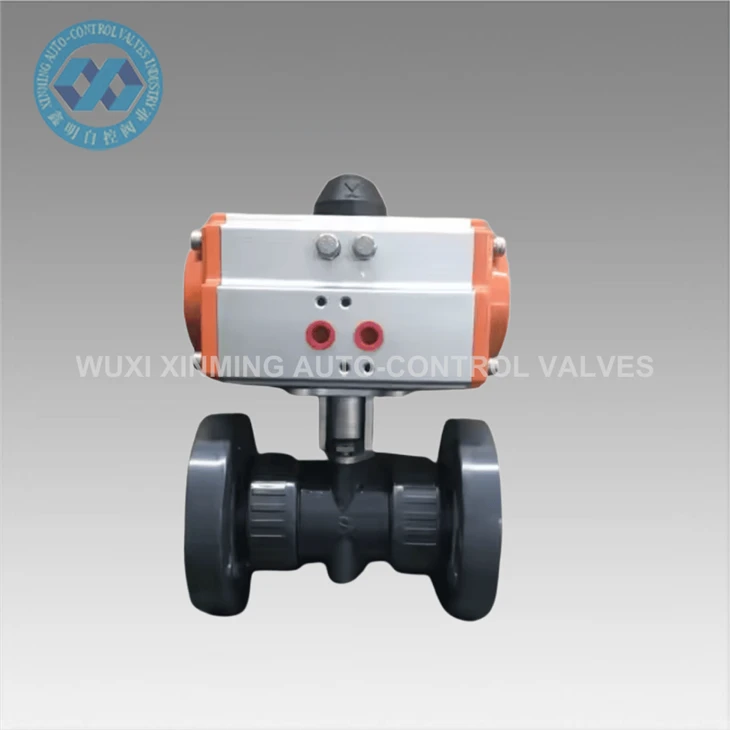
In a power plant, for example, you might need to operate a large valve that controls the flow of steam. A hydraulic actuator can provide the necessary force to open or close the valve smoothly and precisely.
One of the advantages of hydraulic actuators is their durability. They can withstand harsh environments and high pressures, which makes them a good choice for industrial applications. However, they do require a hydraulic power unit, which can be expensive to install and maintain. They also have a relatively slow response time compared to pneumatic and electric actuators.
Manual Actuators
Manual actuators are the simplest type of actuator. They're operated by hand, usually using a lever or a wheel. Manual actuators are inexpensive and easy to install, which makes them a good choice for small valves or applications where the valve doesn't need to be operated frequently.
In a small laboratory, for example, you might have a few valves that only need to be opened or closed occasionally. A manual actuator would be a cost-effective solution for these valves.

However, manual actuators have some limitations. They require physical effort to operate, which can be a problem if the valve is large or if it needs to be operated frequently. They also don't provide any automation or remote control capabilities.
Choosing the Right Actuator for Your Vacuum Ball Valve
When choosing an actuator for your vacuum ball valve, there are several factors you need to consider. These include:
- Valve Size and Torque Requirements: The size and torque requirements of your valve will determine the type of actuator you need. Larger valves typically require more torque to operate, so you might need a hydraulic or electric actuator.
- Operating Environment: The operating environment can also affect your choice of actuator. If the environment is harsh or hazardous, you might need an actuator that can withstand these conditions, such as a pneumatic or hydraulic actuator.
- Control Requirements: If you need to control the valve position precisely or remotely, you might need an electric or pneumatic actuator. Manual actuators are not suitable for these types of applications.
- Cost: Cost is always a factor when choosing an actuator. You need to balance the cost of the actuator with its performance and reliability.
As a vacuum ball valve supplier, I offer a wide range of vacuum ball valves, including Double Sleeve Polyvinyl Chloride Ball Valve, Three Way Ball Valve, and Pneumatic Insulated Ball Valve. I can also help you choose the right actuator for your specific application. If you have any questions or need more information, please don't hesitate to contact me for a procurement discussion. I'm here to help you find the best solution for your needs.
References
- "Valve Handbook", edited by David W. Spitzer
- "Actuators and Controls for Valves", by Tom Brzustowski