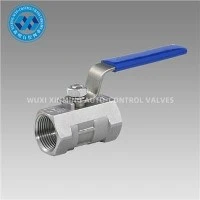
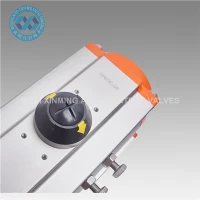
Hey there! As a supplier of pneumatic ball valves, I often get asked about which types are suitable for corrosive fluids. Well, you've come to the right place! In this blog, I'll break down the different types of pneumatic ball valves that can handle corrosive substances like a champ.
Why Corrosive Fluids Are a Big Deal
First off, let's talk about why dealing with corrosive fluids is such a challenge. Corrosive substances can eat away at materials over time, causing leaks, malfunctions, and even safety hazards. That's why choosing the right pneumatic ball valve is crucial. You need a valve that can stand up to the harsh conditions and keep your system running smoothly.
Types of Pneumatic Ball Valves for Corrosive Fluids
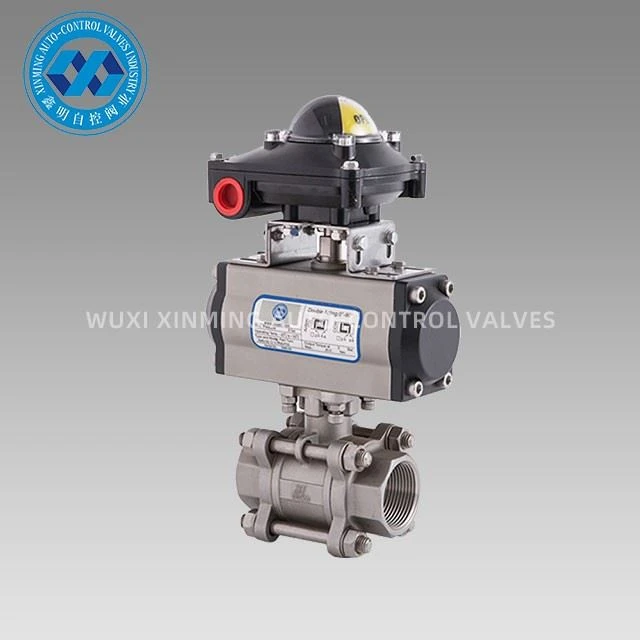
1. Pneumatic 3PC Stainless Steel Ball Valve
One of the top choices for corrosive fluids is the Pneumatic 3PC Stainless Steel Ball Valve. Stainless steel is known for its excellent corrosion resistance, making it a great material for valves that come into contact with corrosive substances. The 3-piece design allows for easy maintenance and repair, which is a huge plus when dealing with potentially damaging fluids.
These valves are also highly durable and can withstand high pressures and temperatures. They're commonly used in industries such as chemical processing, pharmaceuticals, and food and beverage, where corrosive fluids are often present.
2. Flange Ball Valve
Another option is the Flange Ball Valve. Flange ball valves are designed to be installed between flanges, providing a secure and leak-proof connection. They're available in a variety of materials, including stainless steel and other corrosion-resistant alloys.
Flange ball valves are suitable for a wide range of applications, from industrial processes to water treatment plants. They offer excellent flow control and can handle high flow rates, making them a popular choice for systems that require efficient fluid handling.

3. Explosion-Proof Pneumatic Ball Valve
In some industries, such as oil and gas, where there's a risk of explosion, an Explosion-Proof Pneumatic Ball Valve is essential. These valves are designed to prevent the ignition of flammable gases or vapors, ensuring the safety of your system and personnel.
Explosion-proof pneumatic ball valves are typically made from materials that are resistant to corrosion and can withstand harsh environments. They're equipped with special features, such as explosion-proof enclosures and flame arrestors, to meet strict safety standards.
Factors to Consider When Choosing a Valve
When selecting a pneumatic ball valve for corrosive fluids, there are several factors you need to consider:
Material Compatibility
The first and most important factor is the compatibility of the valve material with the corrosive fluid. Different materials have different levels of resistance to corrosion, so it's crucial to choose a valve that can withstand the specific chemical properties of the fluid.
Pressure and Temperature Ratings
You also need to consider the pressure and temperature ratings of the valve. Corrosive fluids can often be under high pressure and temperature, so the valve needs to be able to handle these conditions without failing.
Flow Rate
The flow rate of the fluid is another important factor. You need to choose a valve that can handle the required flow rate without causing excessive pressure drop or turbulence.
Maintenance and Repair
Finally, consider the ease of maintenance and repair. Valves that are easy to disassemble and clean will save you time and money in the long run, especially when dealing with corrosive fluids that can cause damage over time.
Conclusion
In conclusion, choosing the right pneumatic ball valve for corrosive fluids is essential for the safety and efficiency of your system. The Pneumatic 3PC Stainless Steel Ball Valve, Flange Ball Valve, and Explosion-Proof Pneumatic Ball Valve are all great options, depending on your specific needs.
If you're in the market for a pneumatic ball valve for corrosive fluids, don't hesitate to reach out. We're here to help you find the perfect valve for your application. Whether you have questions about material compatibility, pressure ratings, or anything else, our team of experts is ready to assist you. Let's work together to ensure your system runs smoothly and safely.
References
- ASME B16.34 - Valves - Flanged, Threaded, and Welding End
- API 6D - Pipeline Valves - Specification for Pipeline Valves
- ISO 5208 - Industrial Valves - Pressure Testing of Valves