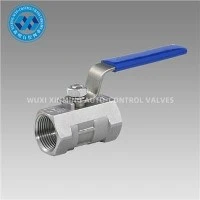
When it comes to fluid control in various industrial applications, the choice between a solenoid valve and a hydraulic valve can be a crucial decision. As a solenoid valve supplier, I've seen firsthand how different scenarios call for different types of valves. In this blog post, I'll break down the situations where a solenoid valve should be preferred over a hydraulic valve.
Quick Response Time
One of the biggest advantages of solenoid valves is their lightning - fast response time. Solenoid valves can open and close in a matter of milliseconds. This is because they operate based on an electromagnetic field. When an electrical current is applied to the solenoid coil, it creates a magnetic field that moves a plunger, either opening or closing the valve.
In applications where quick on - off cycles are required, such as in automated manufacturing processes or in some medical equipment, solenoid valves are the go - to choice. For example, in a high - speed packaging machine, products need to be filled with a precise amount of liquid at a very fast pace. A solenoid valve can quickly open to allow the liquid to flow and then close immediately once the right amount has been dispensed. On the other hand, hydraulic valves rely on fluid pressure to operate, which means they have a slower response time due to the time it takes for the fluid to build up or release pressure.
If you're looking for a solenoid valve with high - speed performance, check out our Mechanical Equipment Special, High Precision Pneumatic Air Control Solenoid Valve. It's designed to provide rapid and accurate control, perfect for applications that demand quick response times.
Electrical Control
Solenoid valves are electrically controlled, which offers a lot of flexibility. They can be easily integrated into automated control systems. You can use a simple switch, a programmable logic controller (PLC), or even a computer to control the operation of solenoid valves. This makes them ideal for modern industrial setups where automation is key.
For instance, in a smart factory, different processes need to be coordinated precisely. By using solenoid valves, the entire system can be controlled remotely or through a centralized control unit. You can program the valves to open and close at specific times or in response to certain sensor inputs. Hydraulic valves, however, usually require a more complex hydraulic control system, which may involve pumps, actuators, and a network of hoses. This makes the installation and control of hydraulic valves more complicated and less adaptable to electrical control systems.
Our 220V Solenoid Valve is a great option for those who want easy electrical control. It can be easily connected to a standard electrical supply and integrated into your existing control system.
Low Power Consumption
Solenoid valves generally consume less power compared to hydraulic valves. Since they operate on an electromagnetic principle, they only need a small amount of electrical energy to create the magnetic field that moves the valve's plunger. This is especially important in applications where energy efficiency is a concern, such as in battery - powered devices or in large - scale industrial plants where reducing energy costs is a priority.
In a portable medical device, for example, power is often limited. A solenoid valve can be used to control the flow of fluids with minimal power consumption, allowing the device to operate for a longer time on a single battery charge. Hydraulic valves, on the other hand, require a hydraulic power unit, which typically includes a pump that consumes a significant amount of energy.
Compact Size
Solenoid valves are usually more compact than hydraulic valves. Their simple design, consisting mainly of a coil, a plunger, and a valve body, allows them to be made in smaller sizes. This is beneficial in applications where space is limited, such as in small - scale machinery or in equipment where a large number of valves need to be installed in a confined area.
In a micro - fluidic device, which is used for analyzing small amounts of fluids in laboratories, the size of the valves is crucial. A solenoid valve can be easily incorporated into the device without taking up too much space. Hydraulic valves, with their larger components like pumps and actuators, are not as suitable for such compact applications.
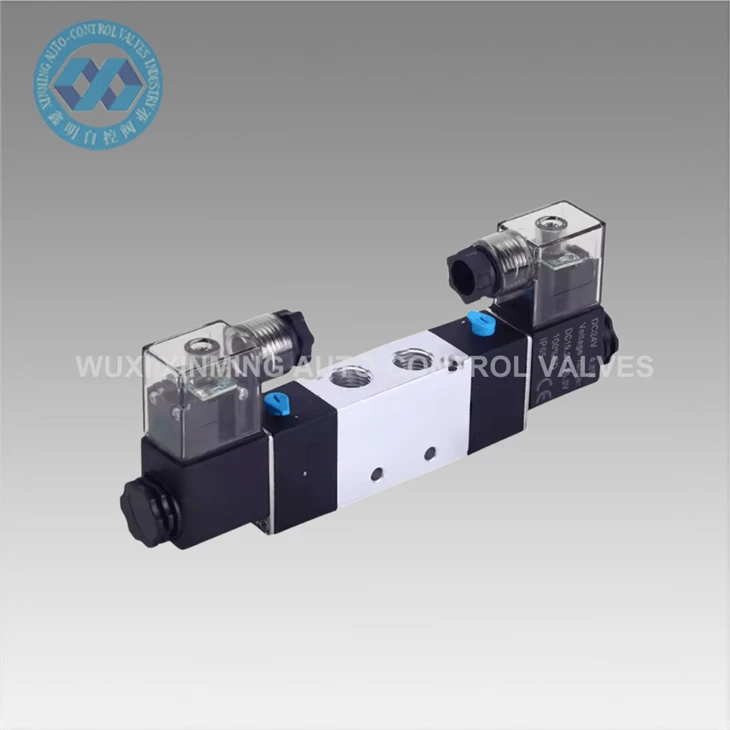

Our High - Performance Two - Position Five - Way Pneumatic Solenoid Valve With Electric Coil is a compact yet powerful option. It can provide excellent performance in a small package, making it perfect for space - constrained applications.
Clean and Quiet Operation
Solenoid valves offer clean and quiet operation. They don't rely on a hydraulic fluid, which means there's no risk of fluid leakage, which can be a problem in hydraulic systems. This makes them suitable for applications where a clean environment is required, such as in the food and beverage industry or in pharmaceutical manufacturing.
In addition, solenoid valves operate silently. In a noise - sensitive environment like a hospital or a laboratory, the quiet operation of solenoid valves is a big advantage. Hydraulic valves, on the other hand, can produce noise due to the flow of hydraulic fluid and the operation of pumps.
Cost - Effectiveness
In many cases, solenoid valves are more cost - effective than hydraulic valves. They are generally less expensive to purchase, and their installation and maintenance costs are also lower. Since they have fewer components and don't require a complex hydraulic system, the initial investment is reduced.
For small - to - medium - sized businesses or for applications with a limited budget, solenoid valves can be a great choice. You can get a high - quality solenoid valve at a reasonable price and still achieve good performance.
When to Choose a Hydraulic Valve
While solenoid valves have many advantages, there are also situations where hydraulic valves are the better option. Hydraulic valves are better suited for applications that require high - force and high - pressure control. For example, in heavy - duty construction equipment like excavators or in large - scale industrial presses, hydraulic valves can handle the high pressures and forces required to operate the machinery.
Hydraulic valves also have better control over large - volume fluid flow. In applications such as irrigation systems for large farms or in water treatment plants, where large amounts of water need to be controlled, hydraulic valves may be more appropriate.
Conclusion
In conclusion, solenoid valves are preferred over hydraulic valves in many situations, especially when quick response time, electrical control, low power consumption, compact size, clean and quiet operation, and cost - effectiveness are important. As a solenoid valve supplier, we offer a wide range of high - quality solenoid valves to meet your specific needs.
If you're interested in learning more about our solenoid valves or if you have a specific application in mind, feel free to contact us for a detailed discussion. We're here to help you make the right choice for your fluid control requirements.
References
- "Fluid Power Engineering" by Anthony Esposito
- "Valve Handbook" by J. S. T. Lo