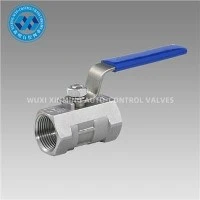
Hey there! As a thread ball valve supplier, I often get asked about the differences between full - port and standard - port thread ball valves. So, I thought I'd write this blog to break it down for you and help you decide which one is better for your specific needs.
What Are Full - Port and Standard - Port Thread Ball Valves?
Let's start with the basics. A thread ball valve is a type of valve that uses a ball with a hole in it to control the flow of fluid. When the hole in the ball aligns with the pipe, fluid can flow through. When the ball is turned so the hole is perpendicular to the pipe, the flow is stopped.
A full - port thread ball valve has an opening in the ball that's the same size as the inner diameter of the pipe. This means there's very little resistance to the flow of fluid. It's like having a straight pipe all the way through the valve. On the other hand, a standard - port thread ball valve has a smaller opening in the ball. The opening is usually about one size smaller than the pipe's inner diameter. This creates some resistance to the fluid flow.
Flow Capacity
One of the main factors to consider when choosing between a full - port and a standard - port thread ball valve is flow capacity. If you need a high flow rate, a full - port valve is the way to go. Because the opening in the ball is the same size as the pipe, there's minimal restriction to the fluid moving through. This is great for applications where you need a large volume of fluid to pass through quickly, like in water supply systems or large - scale industrial processes.
For example, in a water treatment plant, a full - port thread ball valve can ensure that water can flow freely through the pipes without any significant pressure drops. This helps the plant operate efficiently and reduces the energy required to pump the water.
On the other hand, if your application doesn't require a high flow rate, a standard - port valve might be sufficient. In some smaller plumbing systems or applications where the fluid flow is relatively slow, the reduced flow capacity of a standard - port valve won't be a problem. It can also save you some money since standard - port valves are generally less expensive than full - port ones.
Pressure Drop
Pressure drop is another important consideration. Pressure drop refers to the decrease in pressure as fluid flows through a valve. In a full - port thread ball valve, because there's little resistance to the flow, the pressure drop is very low. This means that the pressure of the fluid on the outlet side of the valve is almost the same as the pressure on the inlet side.
In a standard - port valve, the smaller opening in the ball causes more resistance to the flow. As a result, there's a greater pressure drop. If your system is sensitive to pressure changes, a full - port valve is a better choice. For instance, in a hydraulic system, even a small pressure drop can affect the performance of the equipment. Using a full - port valve can help maintain a consistent pressure throughout the system.
Cost
Cost is always a factor when making a purchasing decision. Generally, full - port thread ball valves are more expensive than standard - port ones. This is because they require more material to manufacture, especially for the larger ball with the full - size opening. If you're on a tight budget and your application doesn't require a high flow rate or low pressure drop, a standard - port valve can be a cost - effective option.
However, it's important to consider the long - term costs as well. In some cases, the energy savings from using a full - port valve due to its lower pressure drop can offset the higher initial cost. You need to weigh the upfront cost against the potential savings in energy and maintenance over the life of the valve.
Applications
The choice between a full - port and a standard - port thread ball valve also depends on the specific application.

Full - Port Applications
- Industrial Processes: In industries like chemical processing, oil and gas, and food and beverage, full - port valves are often used. For example, in a chemical plant, where large volumes of chemicals need to be transferred quickly and efficiently, a full - port valve can ensure smooth operation.
- Water Supply Systems: In municipal water supply systems, full - port valves are used to control the flow of water. They help maintain a consistent water pressure and ensure that enough water reaches the consumers.
Standard - Port Applications
- Residential Plumbing: In homes, standard - port valves are commonly used for things like shut - off valves for sinks, toilets, and faucets. Since the flow rate in these applications is relatively low, a standard - port valve is sufficient.
- Small - Scale Industrial Applications: In some small - scale manufacturing processes or workshops, where the fluid flow requirements are not very high, standard - port valves can be used to save costs.
Other Considerations
Apart from the factors mentioned above, there are a few other things to keep in mind.
Installation Space
Full - port valves are usually larger in size compared to standard - port valves. If you have limited space for valve installation, a standard - port valve might be a better fit. You need to make sure that the valve can be easily installed in the available space without causing any interference with other components in the system.
Maintenance
Both full - port and standard - port thread ball valves are relatively easy to maintain. However, in a full - port valve, because of the larger opening, it's easier to clean and remove any debris that might get stuck inside. This can reduce the frequency of maintenance and increase the lifespan of the valve.
Related Products
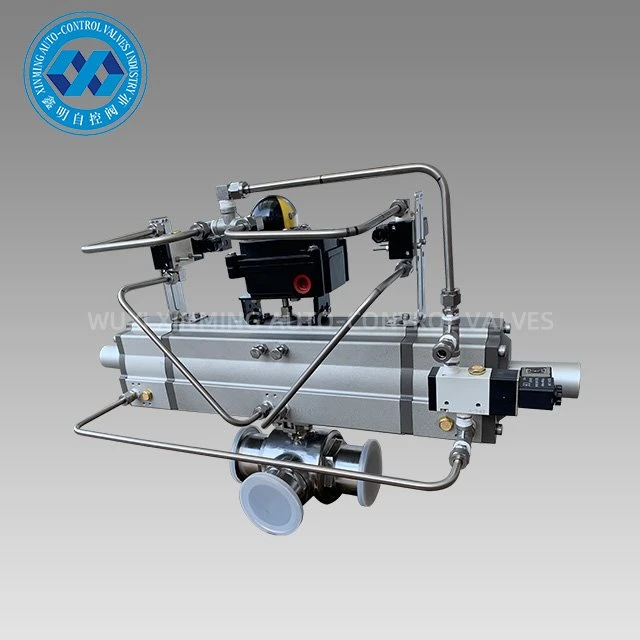
If you're interested in exploring other types of ball valves, we also offer 3 Way Ball Valve With Pneumatic Actuator and Pneumatic Actuated Three - Way Stainless Steel Ball Valve. These valves are great for applications where you need more complex flow control. And if you're looking for a different type of connection, our Flange Ball Valve might be a good option.
Conclusion
So, which one is better, a full - port or a standard - port thread ball valve? Well, it depends on your specific needs. If you need a high flow rate, low pressure drop, and have the budget for it, a full - port valve is the way to go. On the other hand, if your application has lower flow requirements and you're looking to save some money, a standard - port valve is a good choice.
If you're still not sure which valve is right for your project, don't hesitate to reach out. We're here to help you make the best decision. Just contact us, and we can discuss your requirements in detail and provide you with the right valve solution.
References
- Valve Handbook, by William L. Nayfeh
- Industrial Valve Selection Guide, published by a leading valve manufacturer