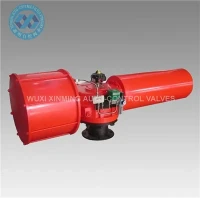
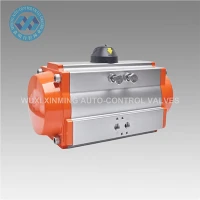
Selecting the right pneumatic rotary actuator for ball valves and butterfly valves is one of the most important decisions in any valve automation project. An undersized actuator may fail to open or close the valve under actual operating conditions, while an oversized actuator can increase costs, waste compressed air, and accelerate wear on valve components.
In industries such as oil & gas, chemical processing, water treatment, power generation, and pharmaceuticals, many valve automation failures are caused not by poor valve quality, but by improper actuator selection. Understanding the key factors behind actuator sizing can help engineers improve system reliability, reduce maintenance costs, and avoid costly downtime.
Why Proper Actuator Selection Matters
Pneumatic rotary actuators are designed to convert compressed air into 90-degree rotary motion for quarter-turn valves such as ball valves and butterfly valves. While these valves may appear similar, their torque requirements can vary significantly depending on valve design, process pressure, temperature, and media characteristics.
One of the most common mistakes engineers make is selecting an actuator based solely on valve size. In practice, a DN200 butterfly valve may require more operating torque than a DN250 ball valve under certain process conditions. Therefore, valve torque-not valve size-should always be the starting point for actuator selection.
Step 1: Determine the Actual Valve Torque
The first step in selecting a pneumatic rotary actuator is identifying the valve's torque requirements.
Three key torque values should be considered:
- Breakaway Torque
Breakaway torque is the force required to initiate valve movement from the fully closed position. This is typically the highest torque requirement and often determines actuator sizing.
- Running Torque
Running torque is the force needed while the valve is moving through its operating range.
- Seating Torque
Seating torque is required to achieve tight shutoff when the valve reaches its final position.
For soft-seated ball valves and resilient-seated butterfly valves, seating torque can be substantial and should not be overlooked.
- Real Engineering Experience
In a wastewater treatment project, a butterfly valve automation package repeatedly failed during startup. The original actuator had been selected based on average operating torque rather than maximum breakaway torque. After several months of service, accumulated deposits on the valve disc increased the required opening torque beyond the actuator's capacity.
Replacing the actuator with a properly sized model solved the issue immediately.
This example highlights why engineers should always size actuators based on maximum required torque rather than nominal values.
Step 2: Consider Process Conditions
Valve torque values provided in catalogs are often measured under ideal laboratory conditions. Actual field conditions can significantly increase torque requirements.
Factors that affect actuator sizing include:
- Line Pressure
Higher differential pressure generally increases valve operating torque. Butterfly valves are particularly sensitive to pressure changes.
- Media Characteristics
Torque requirements often increase when handling:
- Slurries
- Viscous fluids
- Wastewater
- Crystallizing chemicals
- Abrasive media
- Temperature
Extreme temperatures can affect valve seats, seals, lubrication, and overall operating resistance.
- Operating Frequency
Valves cycling hundreds or thousands of times per day require more robust actuator designs than valves used only occasionally.
Ignoring these factors can result in actuator failure even when catalog calculations appear correct.
Step 3: Apply a Safety Factor
Experienced automation engineers rarely size actuators using theoretical torque values alone.
A safety factor should always be included to compensate for:
- Pressure fluctuations
- Valve wear
- Media buildup
- Aging seals
- Future process changes
Typical industry recommendations are:
| Service Condition | Safety Factor |
| Clean media | 1.25–1.5 |
| General industrial service | 1.5–2.0 |
| Severe service | 2.0–2.5 |
Example Calculation
Maximum valve torque: 500 Nm
Safety factor: 1.5
Required actuator output:
500 Nm × 1.5 = 750 Nm
Selecting an actuator capable of delivering at least 750 Nm provides a more reliable long-term solution.
Step 4: Choose Between Double-Acting and Spring-Return Actuators
Selecting the appropriate actuator type is equally important.
Double-Acting Pneumatic Actuators
Double-acting actuators use compressed air for both opening and closing operations.
Advantages include:
- Higher torque output
- Compact design
- Lower cost per torque unit
- Excellent performance in high-cycle applications
Common applications include:
- Process control systems
- Water treatment facilities
- Chemical plants
Spring-Return Pneumatic Actuators
Spring-return actuators use air pressure in one direction and stored spring energy in the opposite direction.
Advantages include:
- Fail-safe operation
- Automatic fail-open or fail-close function
- Improved plant safety
Typical applications include:
- Emergency shutdown systems (ESD)
- Fire protection systems
- Hazardous process areas
For critical safety applications, spring-return actuators are often required by plant specifications and international standards.
Step 5: Verify Available Air Supply Pressure
One often-overlooked factor is actual instrument air pressure.
Many actuator sizing calculations assume a supply pressure of 6 bar or 7 bar. However, pressure losses in the plant air system can significantly reduce available pressure at the actuator.
- Field Example
A municipal water treatment plant experienced intermittent valve failures during peak operation. Although the actuators were designed for 6-bar air supply, measurements showed that actual pressure at remote valve stations dropped to approximately 4.5 bar.
After resizing the actuators based on the minimum available pressure, valve reliability improved dramatically.
Always calculate actuator output using the lowest expected operating pressure rather than ideal design conditions.
Step 6: Ensure Mechanical Compatibility
Proper actuator sizing is only part of the equation.
Engineers should also verify:
- ISO 5211 mounting standards
- Valve stem dimensions
- Drive shaft compatibility
- Output interface requirements
Incorrect mounting can create alignment issues, excessive stem stress, and premature equipment failure.
Additionally, the actuator should allow easy installation of accessories such as:
- Solenoid valves
- Limit switch boxes
- Position indicators
- Positioners
- Air filter regulators
Step 7: Evaluate Reliability and Lifecycle Costs
The lowest-priced actuator is not always the most economical choice.
When comparing actuator suppliers, consider factors such as:
- Corrosion Resistance
Industrial environments often require:
- Hard-anodized aluminum housings
- Epoxy-coated surfaces
- Stainless steel fasteners
Seal Performance
High-quality seals improve:
- Air tightness
- Service life
- Low-temperature operation
Testing Standards
Reliable manufacturers typically perform:
- Torque verification testing
- Cycle life testing
- Leakage testing
These tests help ensure consistent field performance and reduce maintenance requirements.
- Common Mistakes to Avoid
Many actuator failures can be traced back to one of the following mistakes:
- Selecting Based Only on Valve Size
Valve size does not accurately indicate torque requirements.
- Ignoring Safety Margins
Undersized actuators may work initially but fail as operating conditions change.
- Overlooking Air Pressure Losses
Actual supply pressure is often lower than design pressure.
- Ignoring Process Conditions
Media characteristics, pressure, and temperature can significantly affect valve torque.
- Focusing Solely on Purchase Price
Downtime and maintenance costs often exceed the initial savings from choosing a lower-cost actuator.
Why Engineering Support Makes a Difference
Successful valve automation requires more than matching a valve to an actuator catalog.
Experienced actuator manufacturers can assist with:
- Valve torque calculations
- Actuator sizing verification
- Safety factor recommendations
- Air consumption analysis
- Complete valve automation packages
At WUXI XINMING AUTO-CONTROL VALVES INDUSTRY CO., LTD., our engineering team works closely with EPC contractors, valve manufacturers, distributors, and end users to select the most suitable pneumatic rotary actuators for ball valves and butterfly valves. By evaluating real operating conditions rather than relying solely on catalog data, we help customers improve automation reliability and reduce lifecycle costs.
Conclusion
Selecting the right pneumatic rotary actuator for ball valves and butterfly valves requires careful consideration of valve torque, process conditions, safety requirements, air supply pressure, and long-term reliability.
Rather than choosing an actuator based only on valve size, engineers should focus on actual operating torque and include appropriate safety margins. This approach helps prevent unexpected failures, improves system performance, and extends equipment life.
Whether you are automating a small water treatment valve or a large industrial process line, proper actuator selection is the foundation of a reliable and efficient valve automation system. By working with experienced actuator specialists and following a structured sizing process, operators can achieve safer operation, lower maintenance costs, and greater long-term value.