Are there any maintenance requirements for a 110V solenoid valve?
As a supplier of 110V solenoid valves, I often encounter customers who are curious about the maintenance requirements of these essential components. Solenoid valves play a crucial role in various industries, controlling the flow of liquids and gases in a wide range of applications. In this blog post, I will delve into the maintenance needs of 110V solenoid valves, providing valuable insights to ensure their optimal performance and longevity.
Understanding the Basics of a 110V Solenoid Valve
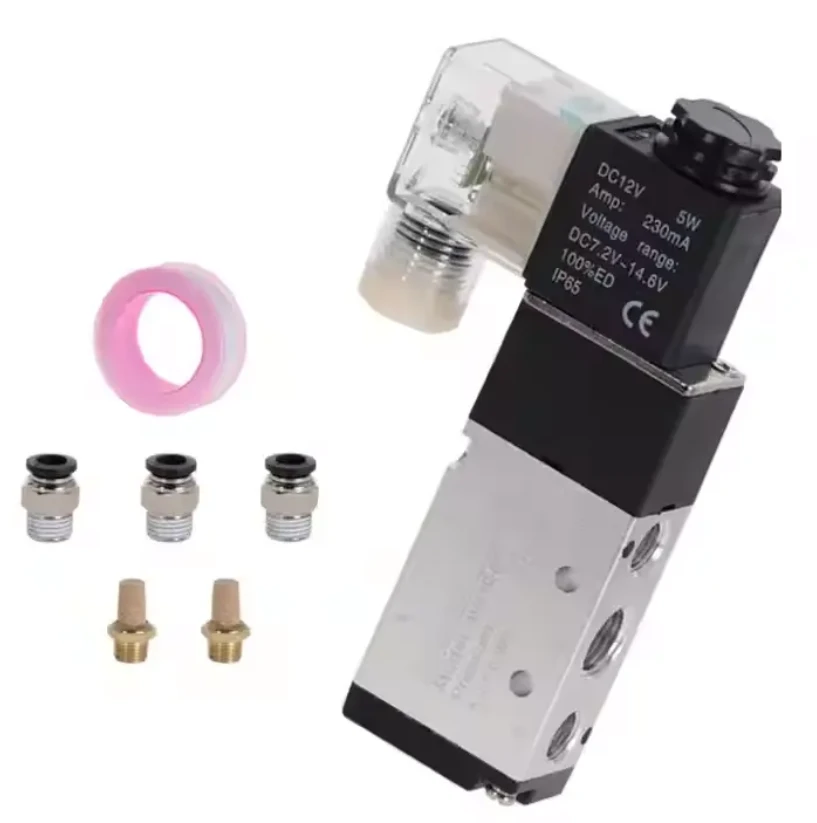
Before discussing maintenance, it's important to understand how a 110V solenoid valve works. A solenoid valve consists of a coil, a plunger, and a valve body. When an electrical current is applied to the coil, it creates a magnetic field that moves the plunger, either opening or closing the valve. This simple yet effective mechanism allows for precise control of fluid flow.
General Maintenance Requirements
- Regular Inspection: Regular visual inspections are the first line of defense in maintaining a 110V solenoid valve. Check for any signs of damage, such as cracks, leaks, or corrosion on the valve body, coil, and connections. Pay close attention to the seals and gaskets, as they are prone to wear and can cause leaks if damaged.
- Cleaning: Over time, dirt, debris, and contaminants can accumulate inside the valve, affecting its performance. Periodically clean the valve using a mild detergent and water. Make sure to remove any foreign particles from the valve seat and orifice. Avoid using abrasive materials that could damage the valve components.
- Lubrication: Some solenoid valves may require lubrication to ensure smooth operation. Refer to the manufacturer's instructions to determine if lubrication is necessary and what type of lubricant to use. Apply the lubricant sparingly to the moving parts of the valve, such as the plunger and guides.
- Electrical Connections: Loose or corroded electrical connections can cause the solenoid valve to malfunction. Regularly check the wiring and connections to ensure they are secure and free of corrosion. Tighten any loose connections and clean the terminals if necessary.
- Testing: Periodically test the solenoid valve to ensure it is functioning properly. Use a multimeter to check the resistance of the coil and verify that it is within the specified range. You can also test the valve by applying power and observing its operation. If the valve fails to open or close, it may need further inspection or repair.
Specific Maintenance Considerations
- Operating Environment: The operating environment can have a significant impact on the maintenance requirements of a 110V solenoid valve. If the valve is exposed to harsh conditions, such as high temperatures, high pressures, or corrosive chemicals, it may require more frequent maintenance. In such cases, consider using a valve that is specifically designed for the application or take additional protective measures, such as installing a filter or a heat shield.
- Fluid Compatibility: The type of fluid being controlled by the solenoid valve can also affect its maintenance needs. Some fluids may be corrosive or abrasive, which can cause damage to the valve components over time. Make sure to select a valve that is compatible with the fluid being used and follow the manufacturer's recommendations for maintenance and cleaning.
- Frequency of Use: The frequency of use of the solenoid valve can also influence its maintenance requirements. Valves that are used frequently may require more frequent inspections and maintenance to ensure their continued performance. On the other hand, valves that are used infrequently may need to be tested periodically to prevent them from sticking or malfunctioning.
Importance of Maintenance
Proper maintenance of a 110V solenoid valve is essential for several reasons. Firstly, it ensures the reliable operation of the valve, preventing costly downtime and production losses. Secondly, it extends the lifespan of the valve, reducing the need for frequent replacements. Thirdly, it helps to maintain the safety of the system by preventing leaks and other potential hazards.

Recommended Maintenance Schedule
The maintenance schedule for a 110V solenoid valve will depend on several factors, including the operating environment, the frequency of use, and the type of fluid being controlled. As a general guideline, it is recommended to perform a visual inspection of the valve at least once a month and a more comprehensive maintenance check every six months. However, if the valve is used in a harsh environment or operates frequently, more frequent maintenance may be required.
Conclusion
In conclusion, 110V solenoid valves do have maintenance requirements, but with proper care and attention, they can provide reliable and long-lasting performance. By following the maintenance guidelines outlined in this blog post, you can ensure that your solenoid valves operate efficiently and effectively, minimizing downtime and maximizing productivity.
If you are in the market for high-quality 110V solenoid valves or need further information on their maintenance, please feel free to [contact us for procurement and negotiation]. We offer a wide range of solenoid valves, including Mechanical Equipment Special, High Precision Pneumatic Air Control Solenoid Valve, 220V Solenoid Valve, and Pneumatic Solenoid Valve 5 Way 2 - position Control Air 12V 24V. Our team of experts is ready to assist you with your specific requirements.
References
- Manufacturer's manuals and technical documentation for 110V solenoid valves.
- Industry standards and best practices for solenoid valve maintenance.