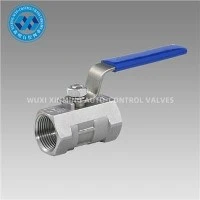
When it comes to installing a flange ball valve, the pipeline requirements are crucial for ensuring optimal performance, safety, and longevity of the entire system. As a reputable flange ball valve supplier, I have witnessed firsthand the impact of proper pipeline conditions on the functionality of these valves. In this blog post, I will delve into the special requirements for the pipeline when installing a flange ball valve.
Pipeline Material Compatibility
One of the primary considerations is the compatibility between the pipeline material and the flange ball valve. Different pipeline materials, such as carbon steel, stainless steel, cast iron, and PVC, have varying chemical and physical properties. For instance, if the pipeline is made of carbon steel, the flange ball valve should also be constructed from a material that can withstand the same environmental conditions and fluid characteristics. Stainless steel flange ball valves are often a popular choice for pipelines carrying corrosive fluids due to their excellent corrosion resistance.
It's essential to ensure that the valve material does not react with the pipeline material or the fluid flowing through it. Incompatible materials can lead to corrosion, leaks, and reduced valve performance over time. For example, using a standard carbon steel valve in a pipeline carrying highly acidic fluids can cause rapid corrosion of the valve components, leading to premature failure.
Pipeline Size and Pressure Rating
The size and pressure rating of the pipeline must match the specifications of the flange ball valve. The valve size should be selected based on the pipeline diameter to ensure a proper fit and smooth flow of fluid. A valve that is too small for the pipeline can cause excessive pressure drop and restrict the flow, while a valve that is too large may not provide accurate flow control.
The pressure rating of the pipeline is another critical factor. The flange ball valve must be rated to handle the maximum operating pressure of the pipeline. Failure to select a valve with an appropriate pressure rating can result in valve failure, leaks, or even catastrophic accidents. It's important to consult the valve manufacturer's specifications and guidelines to ensure that the valve can safely operate within the pipeline's pressure range.
Pipeline Cleanliness
Before installing a flange ball valve, the pipeline must be thoroughly cleaned to remove any debris, dirt, rust, or other contaminants. These particles can cause damage to the valve seats, seals, and internal components, leading to leaks and reduced valve performance. Cleaning the pipeline can be achieved through various methods, such as flushing with water, using chemical cleaners, or mechanical cleaning techniques.
It's also important to ensure that the pipeline is free from any welding slag or burrs, especially if the pipeline has been recently welded. These sharp edges can damage the valve gaskets and cause leaks. After cleaning, the pipeline should be inspected to ensure that it meets the required cleanliness standards.
Pipeline Alignment
Proper alignment of the pipeline is essential for the successful installation of a flange ball valve. Misaligned pipelines can cause stress on the valve flanges, leading to leaks and premature failure. The pipeline flanges should be perfectly aligned with the valve flanges to ensure a tight and secure connection. This can be achieved by using alignment tools, such as alignment pins or alignment jigs, during the installation process.

It's also important to ensure that the pipeline is properly supported to prevent any movement or vibration that could affect the valve's performance. The pipeline supports should be installed at regular intervals to provide adequate support and stability.
Pipeline Sealing
Effective sealing between the pipeline and the flange ball valve is crucial for preventing leaks. Gaskets are commonly used to create a seal between the valve flanges and the pipeline flanges. The type of gasket used depends on the pipeline material, fluid characteristics, and operating conditions. For example, rubber gaskets are suitable for low-pressure applications, while metal gaskets are often used for high-pressure and high-temperature applications.
It's important to ensure that the gaskets are properly installed and tightened to the recommended torque values. Over-tightening the gaskets can cause damage to the gasket material, while under-tightening can result in leaks. Additionally, the gaskets should be inspected regularly for signs of wear or damage and replaced as needed.
Special Considerations for Different Applications
In some applications, there may be additional special requirements for the pipeline when installing a flange ball valve. For example, in pipelines carrying abrasive fluids, such as slurries, the pipeline may need to be lined with a wear-resistant material to protect the valve and the pipeline from erosion. In cryogenic applications, the pipeline and the valve must be designed to withstand extremely low temperatures.
Another important consideration is the presence of any thermal expansion or contraction in the pipeline. This can cause stress on the valve flanges and affect the valve's performance. To accommodate thermal expansion, expansion joints or flexible connectors can be installed in the pipeline.
Our Range of Flange Ball Valves and Related Products
As a flange ball valve supplier, we offer a wide range of high-quality flange ball valves to meet the diverse needs of our customers. In addition to our flange ball valves, we also provide other types of ball valves, such as Threaded Connection Ball Valve For Compact And Efficient Flow Control, Double Sleeve Polyvinyl Chloride Ball Valve, and High Performance Three Way Ball Valve With Pneumatic Actuator.
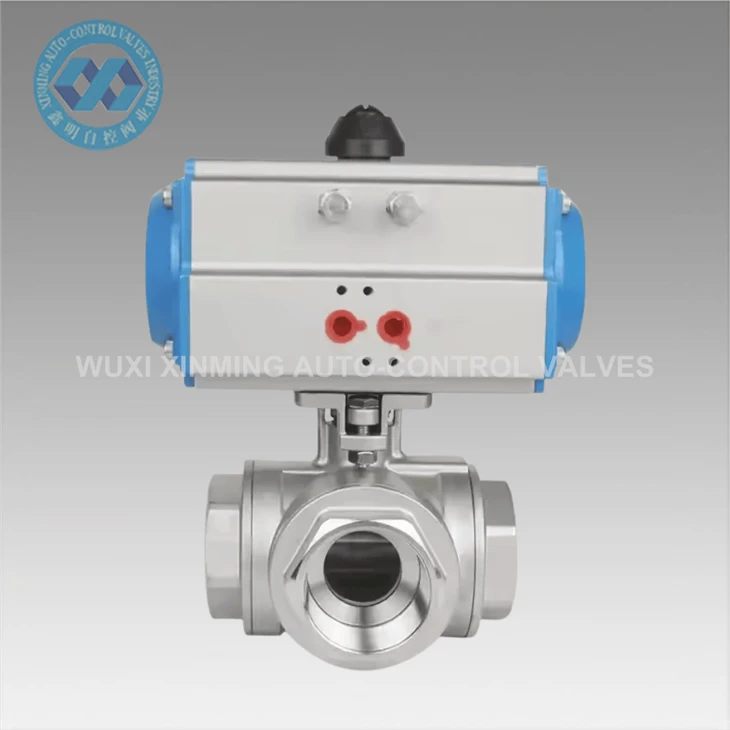
Our valves are designed and manufactured to the highest standards of quality and performance. We use only the best materials and advanced manufacturing techniques to ensure that our valves can withstand the most demanding applications. Whether you need a valve for a small-scale industrial application or a large-scale commercial project, we have the expertise and the products to meet your needs.
Contact Us for Your Flange Ball Valve Needs
If you have any questions about the special requirements for the pipeline when installing a flange ball valve or if you are interested in purchasing our flange ball valves or other related products, please do not hesitate to contact us. Our team of experts is always ready to assist you with your valve selection and installation needs. We can provide you with detailed technical information, product specifications, and pricing quotes.
Investing in high-quality flange ball valves and ensuring proper pipeline installation is essential for the reliable and efficient operation of your fluid control system. Contact us today to discuss your requirements and let us help you find the perfect valve solution for your application.
References
- Valve Handbook, Various Editions
- ASME Standards for Piping and Valves
- API Standards for Oil and Gas Industry Valves