Are thin ball valves suitable for food and beverage applications?
In the dynamic landscape of the food and beverage industry, the selection of appropriate valves is a critical decision that directly impacts product quality, safety, and operational efficiency. As a trusted thin ball valve supplier, I am often asked about the suitability of thin ball valves for food and beverage applications. In this blog post, I will delve into the features, benefits, and considerations of thin ball valves in this context, helping you make an informed decision for your specific needs.
Understanding Thin Ball Valves
Thin ball valves are a type of quarter - turn valve that uses a spherical disc (the ball) to control the flow of fluid. The ball has a hole (bore) through the center, and when the valve is open, the bore aligns with the pipe, allowing fluid to pass through. When the valve is closed, the ball is rotated a quarter - turn so that the bore is perpendicular to the pipe, blocking the flow.
Thin ball valves are characterized by their relatively compact design compared to other types of valves. This compactness makes them ideal for applications where space is limited, such as in food and beverage processing plants where equipment is often densely packed.
Features and Benefits for Food and Beverage Applications
- Hygienic Design
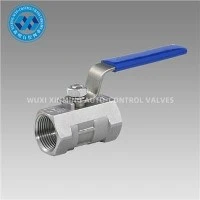
One of the most significant advantages of thin ball valves in food and beverage applications is their hygienic design. These valves can be manufactured with smooth, crevice - free surfaces that prevent the accumulation of food particles, bacteria, and other contaminants. This is crucial for maintaining the high standards of cleanliness required in the food and beverage industry. For example, our Stainless Steel Ball Valve is made from high - quality stainless steel, which is resistant to corrosion and easy to clean, ensuring that it meets the strictest hygiene regulations. - Precise Flow Control
Thin ball valves offer precise flow control, which is essential in food and beverage processing. Whether you are dosing ingredients, controlling the flow of liquids during mixing processes, or regulating the filling of containers, the ability to accurately control the flow rate is crucial. The quarter - turn operation of thin ball valves allows for quick and precise opening and closing, enabling operators to respond rapidly to changes in the process. - Low Pressure Drop
In food and beverage applications, minimizing pressure drop is important to ensure efficient operation and reduce energy consumption. Thin ball valves have a relatively low pressure drop compared to other types of valves, which means that less energy is required to pump the fluid through the system. This not only saves on energy costs but also helps to maintain the integrity of the product by reducing the stress on the fluid. - Versatility
Thin ball valves are available in a wide range of materials, sizes, and configurations, making them suitable for a variety of food and beverage applications. For instance, our 3PC Thread Ball Valve is a popular choice for applications where easy disassembly and maintenance are required. It can be used in both high - and low - pressure systems and is compatible with a variety of fluids, including water, juices, and dairy products. Additionally, our High Performance PVC Ball Valve is suitable for applications where corrosion resistance and chemical compatibility are important, such as in the handling of acidic or alkaline beverages.
Considerations
- Material Compatibility
When selecting thin ball valves for food and beverage applications, it is essential to ensure that the materials used are compatible with the fluids being handled. Different food and beverage products have different chemical properties, and some may be corrosive or abrasive. For example, acidic juices may require valves made from corrosion - resistant materials such as stainless steel or certain types of plastics. - Cleaning and Sanitization
Regular cleaning and sanitization are necessary to maintain the hygienic integrity of thin ball valves in food and beverage applications. The valve design should allow for easy access to all internal surfaces for cleaning. Some valves may require special cleaning procedures, such as the use of cleaning agents or high - pressure cleaning. It is important to follow the manufacturer's recommendations for cleaning and sanitization to ensure that the valves remain in compliance with industry standards. - Temperature and Pressure Ratings
Food and beverage processing often involves a wide range of temperatures and pressures. It is crucial to select thin ball valves with appropriate temperature and pressure ratings to ensure safe and reliable operation. For example, high - temperature processes such as pasteurization may require valves that can withstand elevated temperatures without losing their mechanical properties.
Case Studies
Let's look at a few real - world examples of how thin ball valves have been successfully used in food and beverage applications.
A large dairy processing plant was experiencing issues with contamination in their milk transfer lines. They replaced their old, bulky valves with our thin stainless steel ball valves. The smooth, crevice - free design of the valves prevented the accumulation of milk residues, and the easy - to - clean surfaces made it possible to maintain a high level of hygiene. As a result, the plant was able to reduce the incidence of contamination and improve the quality of their dairy products.
A juice bottling company needed to improve the accuracy of their filling process. They installed our 3PC thread ball valves, which provided precise flow control. The quick - acting quarter - turn operation of the valves allowed for rapid adjustment of the flow rate, ensuring that each bottle was filled to the correct level. This led to a significant reduction in product waste and an increase in production efficiency.
Conclusion
In conclusion, thin ball valves offer numerous benefits for food and beverage applications, including hygienic design, precise flow control, low pressure drop, and versatility. However, it is important to carefully consider factors such as material compatibility, cleaning and sanitization requirements, and temperature and pressure ratings when selecting the right valve for your specific application.
As a thin ball valve supplier, we are committed to providing high - quality valves that meet the strict requirements of the food and beverage industry. Our team of experts can help you select the most suitable valve for your needs and provide support throughout the installation and maintenance process.
If you are interested in learning more about our thin ball valves or would like to discuss your specific requirements for food and beverage applications, please feel free to reach out to us. We look forward to the opportunity to work with you and help you optimize your food and beverage processing operations.


References
- ASME BPE (BioProcessing Equipment) standards for hygienic design in the food and beverage industry.
- FDA (Food and Drug Administration) regulations on materials used in food contact applications.
- Industry whitepapers on valve selection and maintenance in food and beverage processing plants.