Can a 24V Solenoid Valve be used in a chemical processing plant?
In the complex and demanding environment of chemical processing plants, the selection of appropriate equipment is crucial for ensuring safety, efficiency, and reliability. One such piece of equipment that often comes under consideration is the solenoid valve. As a supplier of 24V solenoid valves, I am frequently asked whether these valves can be used in chemical processing plants. In this blog post, I will explore this question in detail, considering the characteristics of 24V solenoid valves, the requirements of chemical processing plants, and the potential advantages and challenges of using them in such environments.
Understanding 24V Solenoid Valves
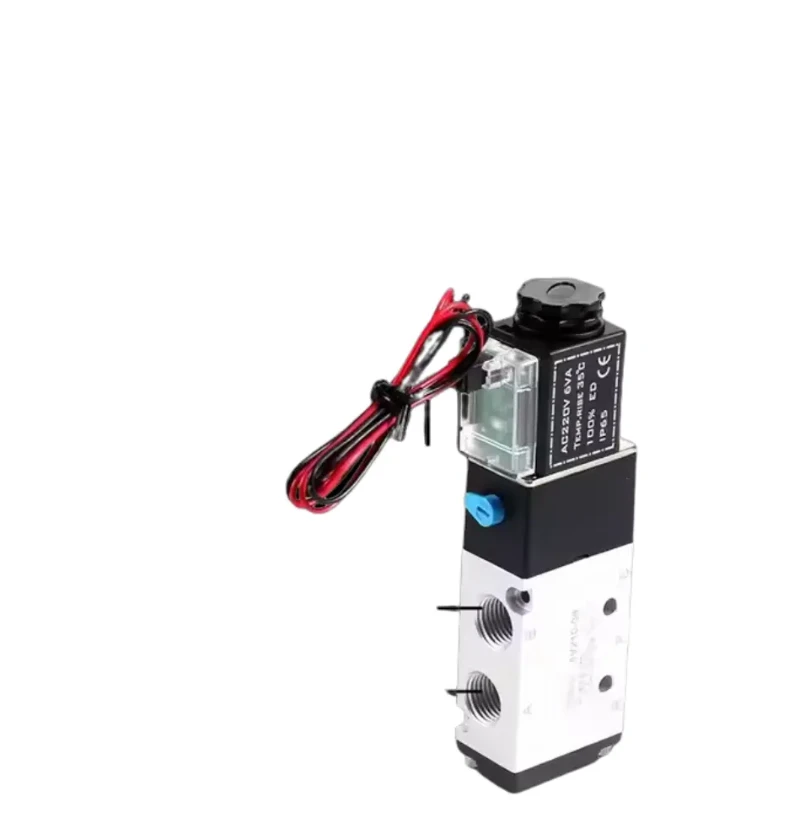
Solenoid valves are electromechanically operated valves that use an electric current to control the flow of fluids. A 24V solenoid valve is designed to operate on a 24 - volt electrical supply, which is a relatively low - voltage option compared to other common voltages such as 110V or 220V. This low - voltage operation offers several benefits. Firstly, it is safer, reducing the risk of electrical shock to operators. Secondly, it can be more energy - efficient, which is an important consideration in large - scale industrial operations.
24V solenoid valves are available in a variety of types, including direct - acting and pilot - operated valves. Direct - acting solenoid valves are suitable for applications with low flow rates and pressures, as they can directly control the flow of fluid without the need for a pilot pressure. Pilot - operated solenoid valves, on the other hand, are more suitable for high - flow and high - pressure applications, as they use a pilot pressure to assist in opening and closing the valve.
Requirements of Chemical Processing Plants
Chemical processing plants have unique requirements when it comes to equipment selection. These requirements are mainly driven by the nature of the chemicals being processed, the operating conditions, and safety regulations.
Chemical Compatibility: The materials used in the construction of the solenoid valve must be compatible with the chemicals being handled. For example, corrosive chemicals such as acids and alkalis require valves made of materials like stainless steel, PVC, or PTFE, which can resist corrosion.
Pressure and Temperature Ratings: Chemical processes often involve high pressures and temperatures. The solenoid valve must be able to withstand these extreme conditions without leaking or failing. Valves with high - pressure and high - temperature ratings are essential to ensure the safe and efficient operation of the plant.
Reliability and Durability: In a chemical processing plant, any equipment failure can lead to costly downtime, product loss, and even safety hazards. Therefore, solenoid valves must be highly reliable and durable, with a long service life and low maintenance requirements.
Safety: Safety is of utmost importance in chemical processing plants. Solenoid valves should be designed to prevent leaks, which can be dangerous if toxic or flammable chemicals are involved. They should also be able to operate in a fail - safe mode, ensuring that the valve closes automatically in case of a power failure or other emergency.
Advantages of Using 24V Solenoid Valves in Chemical Processing Plants
Safety: As mentioned earlier, the low - voltage operation of 24V solenoid valves reduces the risk of electrical shock to operators. This is particularly important in chemical processing plants, where workers may be exposed to hazardous chemicals and other potential safety risks.
Energy Efficiency: In a large - scale chemical processing plant, energy consumption is a significant cost factor. The energy - efficient operation of 24V solenoid valves can help reduce overall energy costs, making them an attractive option for plant operators.
Flexibility: 24V solenoid valves are available in a wide range of sizes, configurations, and materials, allowing for greater flexibility in system design. This means that they can be easily integrated into existing chemical processing systems or used in new installations.
Remote Control and Automation: The low - voltage operation of 24V solenoid valves makes them suitable for remote control and automation applications. They can be easily integrated with programmable logic controllers (PLCs) and other automation systems, allowing for precise control of fluid flow in chemical processes.
Challenges of Using 24V Solenoid Valves in Chemical Processing Plants
Power Limitations: The low - voltage operation of 24V solenoid valves may limit their performance in high - power applications. For example, in applications with high flow rates and pressures, a 24V solenoid valve may not be able to provide sufficient force to open and close the valve quickly and effectively.
Environmental Factors: Chemical processing plants often have harsh environmental conditions, including high temperatures, humidity, and exposure to chemicals. These factors can affect the performance and lifespan of 24V solenoid valves, requiring additional protection and maintenance.
Compatibility with Existing Systems: In some cases, integrating 24V solenoid valves into existing chemical processing systems may require modifications to the electrical and control systems. This can add to the cost and complexity of the installation.

Case Studies and Real - World Applications
There are many successful applications of 24V solenoid valves in chemical processing plants. For example, in a pharmaceutical manufacturing plant, 24V solenoid valves are used to control the flow of various chemicals in the production process. The low - voltage operation of these valves ensures the safety of the operators, while their energy - efficient design helps reduce production costs.
In another case, a chemical plant uses 24V solenoid valves to control the flow of cooling water in a heat exchanger. The valves are integrated with an automation system, allowing for precise control of the water flow based on the temperature of the process fluid. This not only improves the efficiency of the heat exchanger but also reduces water consumption.
Comparison with Other Voltage Options
When considering the use of solenoid valves in chemical processing plants, it is also important to compare 24V solenoid valves with other voltage options, such as 220V solenoid valves. 220V Solenoid Valve offer higher power and may be more suitable for high - flow and high - pressure applications. However, they also pose a higher risk of electrical shock and may consume more energy.
In contrast, 24V solenoid valves are safer and more energy - efficient, but may have limitations in terms of power. The choice between 24V and 220V solenoid valves depends on the specific requirements of the chemical processing application, including flow rate, pressure, and safety considerations.
Specialized Solenoid Valves for Chemical Processing
For chemical processing applications, there are specialized solenoid valves available that are designed to meet the unique requirements of these environments. For example, Mechanical Equipment Special, High Precision Pneumatic Air Control Solenoid Valve are suitable for applications where precise control of pneumatic air is required. These valves offer high precision and reliability, making them ideal for chemical processes that require accurate fluid control.
Another type of specialized solenoid valve is the Durable Pneumatic Solenoid Valve, which is designed to withstand the harsh conditions of chemical processing plants. These valves are made of durable materials and have high - pressure and high - temperature ratings, ensuring long - term reliability and performance.
Conclusion
In conclusion, 24V solenoid valves can be used in chemical processing plants, but their suitability depends on the specific requirements of the application. They offer several advantages, including safety, energy efficiency, flexibility, and remote control capabilities. However, they also face some challenges, such as power limitations and environmental factors.
When selecting a solenoid valve for a chemical processing plant, it is important to consider factors such as chemical compatibility, pressure and temperature ratings, reliability, and safety. By choosing the right solenoid valve and ensuring proper installation and maintenance, plant operators can ensure the safe and efficient operation of their chemical processing systems.
If you are interested in learning more about our 24V solenoid valves or discussing your specific requirements for a chemical processing application, please feel free to contact us. We are a leading supplier of high - quality solenoid valves and can provide you with the best solutions for your needs.
References
- "Industrial Valves Handbook" by Valve Manufacturers Association
- "Chemical Process Safety: Fundamentals with Applications" by Daniel A. Crowl and Joseph F. Louvar
- Technical documents and specifications from solenoid valve manufacturers