Can a Lug Butterfly Valve be used for gas applications?
As a supplier of lug butterfly valves, I often encounter questions from customers regarding the suitability of these valves for gas applications. This blog post aims to delve into this topic comprehensively, providing you with a detailed understanding of whether lug butterfly valves can be effectively used in gas - related scenarios.

Understanding Lug Butterfly Valves
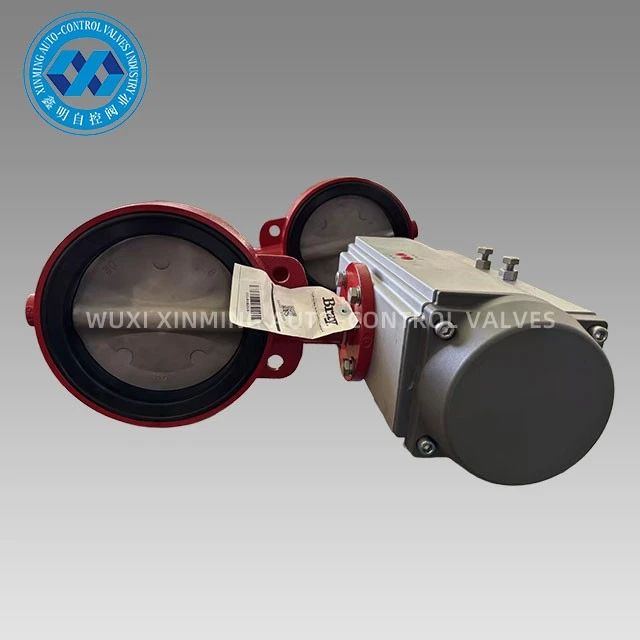
Lug butterfly valves are a type of quarter - turn valve. They feature a disc that rotates around a shaft to control the flow of fluid or gas. The "lug" design refers to the threaded inserts on the valve body, which allow the valve to be installed between two flanges using bolts. This design makes it easy to install and remove the valve without disturbing the entire piping system.
The disc of a lug butterfly valve can be in different positions: fully open, fully closed, or anywhere in between. When fully open, the disc is parallel to the flow direction, offering minimal resistance to the flow. When fully closed, the disc is perpendicular to the flow, blocking the passage completely.
Characteristics of Gas Applications
Gas applications have their own set of unique characteristics. Gases are compressible fluids, which means their volume can change significantly under different pressure conditions. Additionally, many gases are flammable, toxic, or corrosive. For example, natural gas is highly flammable, and hydrogen sulfide is both toxic and corrosive. Therefore, valves used in gas applications need to meet strict safety and performance requirements.
Suitability of Lug Butterfly Valves for Gas Applications
Advantages
-
Cost - effectiveness
Lug butterfly valves are generally more cost - effective compared to other types of valves such as ball valves or gate valves. This makes them an attractive option for gas applications, especially in large - scale projects where cost is a major consideration. The simple design and relatively low manufacturing cost contribute to their affordability. -
Quick operation
The quarter - turn operation of lug butterfly valves allows for rapid opening and closing. In gas applications, this can be crucial in emergency situations where quick shut - off is required to prevent gas leakage and potential hazards. For example, in a gas pipeline, a sudden pressure surge might require immediate isolation, and a lug butterfly valve can achieve this in a matter of seconds. -
Compact design
Lug butterfly valves have a compact design, which takes up less space in the piping system. This is beneficial in gas installations where space is often limited, such as in industrial plants or on offshore platforms. Their small footprint also makes them easier to install and maintain. -
Good flow control
These valves can provide good flow control over a wide range of flow rates. By adjusting the position of the disc, the flow of gas can be regulated accurately. This is important in gas applications where precise control of gas flow is necessary for efficient operation, such as in gas - fired power plants.
Limitations
- Sealing performance
One of the main limitations of lug butterfly valves in gas applications is their sealing performance. While modern lug butterfly valves are designed to provide a tight seal, they may not be as effective as some other valve types in achieving a zero - leakage seal. In applications where extremely low leakage rates are required, such as in high - pressure gas systems or in the handling of toxic gases, additional sealing measures may be necessary. - Pressure and temperature limitations
Lug butterfly valves have certain pressure and temperature limitations. High - pressure gas applications may require valves with stronger structural integrity to withstand the forces exerted by the gas. Similarly, extreme temperatures can affect the performance of the valve materials. For example, at very low temperatures, some valve materials may become brittle, reducing the valve's reliability.
Factors to Consider When Using Lug Butterfly Valves in Gas Applications
-
Gas properties
The properties of the gas being handled, such as its flammability, toxicity, and corrosiveness, must be taken into account. For corrosive gases, valves with corrosion - resistant materials, such as stainless steel or coated valve bodies, should be selected. For flammable gases, valves should be designed to prevent the ignition of the gas, which may involve using non - sparking materials and proper grounding. -
Pressure and temperature
As mentioned earlier, the pressure and temperature conditions of the gas system are critical. The valve should be rated for the maximum pressure and temperature it will encounter. If the operating conditions are close to the valve's limits, additional safety measures or valve upgrades may be required. -
Flow rate and flow control requirements
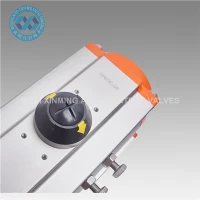
The required flow rate and the degree of flow control needed should be determined. For applications with high flow rates, valves with larger diameters may be necessary. If precise flow control is required, valves with advanced actuation systems, such as the Bary Butterfly Valve Actuator, can be used. -
Safety regulations
Compliance with safety regulations is of utmost importance in gas applications. Valves must meet relevant industry standards and codes, such as API, ASME, or ISO standards. These standards ensure the safety and reliability of the valves in gas systems.
Our Product Offerings for Gas Applications
We offer a wide range of lug butterfly valves suitable for various gas applications. Our valves are made from high - quality materials, ensuring durability and reliability. For example, our High - Performance PVC Butterfly Valve is corrosion - resistant and can be used in gas applications where the gas is not highly reactive with PVC.
In addition, we provide different types of actuators for our lug butterfly valves. The Electrical Butterfly Valve is equipped with an electrical actuator, which allows for remote control and automation. This is particularly useful in gas applications where centralized control and monitoring are required.
Conclusion
In conclusion, lug butterfly valves can be used for gas applications, but their suitability depends on various factors such as gas properties, pressure and temperature conditions, flow requirements, and safety regulations. They offer several advantages, including cost - effectiveness, quick operation, compact design, and good flow control. However, they also have some limitations, mainly related to sealing performance and pressure - temperature capabilities.
If you are considering using lug butterfly valves in your gas applications, we are here to help. Our team of experts can provide you with detailed technical advice and recommend the most suitable valve solutions for your specific needs. Whether you are involved in a small - scale gas project or a large - scale industrial installation, we have the products and expertise to meet your requirements. Contact us today to start a discussion about your gas valve needs and explore the possibilities of working together.
References
- API Standards for Valves in Oil and Gas Industry
- ASME Boiler and Pressure Vessel Code
- ISO Standards for Valve Design and Performance