

As a supplier of welded ball valves, I am often asked about the flow characteristics of these essential components in fluid control systems. Understanding the flow characteristics of a welded ball valve is crucial for engineers, designers, and end-users to ensure optimal performance in various applications. In this blog post, I will delve into the key aspects of the flow characteristics of welded ball valves, including their advantages, factors affecting flow, and applications.
Advantages of Welded Ball Valves in Flow Control
Welded ball valves offer several advantages that make them a popular choice for flow control applications. One of the primary benefits is their excellent sealing performance. The welded body design eliminates the need for external leak paths, ensuring a tight seal even under high-pressure conditions. This feature makes welded ball valves ideal for applications where leakage is not acceptable, such as in the oil and gas industry, chemical processing, and power generation.
Another advantage of welded ball valves is their low flow resistance. The full-bore design of these valves allows for unrestricted flow, minimizing pressure drop across the valve. This results in energy savings and improved system efficiency. Additionally, the smooth internal surface of the valve reduces turbulence and erosion, extending the service life of the valve and the piping system.
Welded ball valves also offer high durability and reliability. The welded construction provides a strong and robust structure that can withstand harsh operating conditions, including high temperatures, pressures, and corrosive environments. This makes them suitable for use in demanding applications where other types of valves may fail.
Factors Affecting the Flow Characteristics of Welded Ball Valves
Several factors can affect the flow characteristics of welded ball valves. One of the most important factors is the valve size. The size of the valve determines the flow capacity and the pressure drop across the valve. Larger valves generally have a higher flow capacity but may also result in a higher pressure drop. Therefore, it is essential to select the appropriate valve size based on the specific application requirements.
The ball design is another critical factor that affects the flow characteristics of welded ball valves. There are two main types of ball designs: floating ball and trunnion-mounted ball. Floating ball valves are suitable for low to medium-pressure applications, while trunnion-mounted ball valves are designed for high-pressure applications. The ball design also affects the flow coefficient (Cv) of the valve, which is a measure of the valve's flow capacity.
The valve seat material and design also play a significant role in the flow characteristics of welded ball valves. The seat material should be selected based on the fluid being handled, the operating temperature, and the pressure. Common seat materials include PTFE, graphite, and metal. The seat design can also affect the sealing performance and the flow coefficient of the valve.

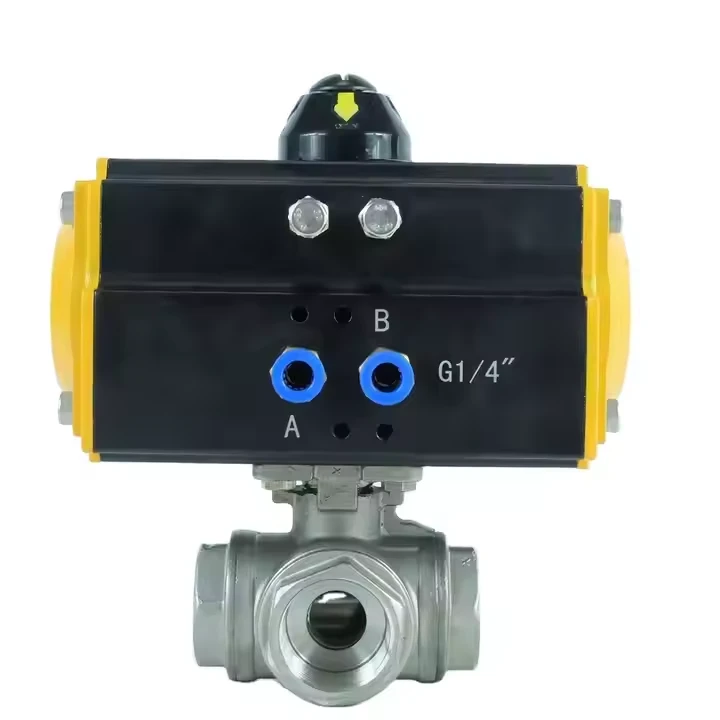
The operating conditions, such as the fluid velocity, temperature, and pressure, can also affect the flow characteristics of welded ball valves. High fluid velocities can cause erosion and cavitation, which can damage the valve and the piping system. Therefore, it is essential to ensure that the fluid velocity is within the recommended range for the valve. High temperatures and pressures can also affect the performance of the valve, so it is important to select a valve that is designed to withstand the specific operating conditions.
Applications of Welded Ball Valves
Welded ball valves are widely used in various industries for flow control applications. Some of the common applications include:
- Oil and Gas Industry: Welded ball valves are used in upstream, midstream, and downstream oil and gas applications. They are used in pipelines, refineries, and storage facilities to control the flow of oil, gas, and other fluids.
- Chemical Processing Industry: Welded ball valves are used in chemical processing plants to control the flow of chemicals, acids, and solvents. They are designed to withstand the corrosive nature of these fluids and provide reliable and leak-free operation.
- Power Generation Industry: Welded ball valves are used in power plants to control the flow of steam, water, and other fluids. They are used in boilers, turbines, and other equipment to ensure efficient and safe operation.
- Water Treatment Industry: Welded ball valves are used in water treatment plants to control the flow of water, wastewater, and chemicals. They are used in filtration systems, disinfection processes, and other applications to ensure the quality and safety of the water supply.
Comparison with Other Types of Valves
When considering the flow characteristics of welded ball valves, it is also important to compare them with other types of valves. Some of the common types of valves used in flow control applications include gate valves, globe valves, and butterfly valves.
Gate valves are typically used for on/off applications where a full-bore flow is required. They have a simple design and are relatively inexpensive. However, gate valves have a high flow resistance and are not suitable for throttling applications.
Globe valves are used for throttling applications where precise flow control is required. They have a good flow control performance but a relatively high pressure drop. Globe valves are also more expensive than gate valves.
Butterfly valves are used for large-diameter applications where a low-cost and lightweight valve is required. They have a low flow resistance and are suitable for both on/off and throttling applications. However, butterfly valves have a limited range of flow control and may not be suitable for high-pressure applications.
In comparison, welded ball valves offer a combination of excellent sealing performance, low flow resistance, high durability, and reliability. They are suitable for a wide range of applications and can provide precise flow control when required.
Conclusion
In conclusion, the flow characteristics of welded ball valves are determined by several factors, including the valve size, ball design, seat material and design, and operating conditions. Welded ball valves offer several advantages over other types of valves, including excellent sealing performance, low flow resistance, high durability, and reliability. They are widely used in various industries for flow control applications, including the oil and gas industry, chemical processing industry, power generation industry, and water treatment industry.
If you are looking for a reliable and high-performance welded ball valve for your application, please feel free to contact us. We are a leading supplier of welded ball valves and can provide you with a wide range of products to meet your specific requirements. Our team of experts can also provide you with technical support and advice to ensure that you select the right valve for your application.
References
- "Valve Handbook" by J. S. Tuzson
- "Flow Control Handbook" by David W. Miller
- "Handbook of Valves and Actuators" by A. M. F. B. da Silva
For more information about our products, you can visit the following links:
- Flange Ball Valve
- Manual 1pc Thread Ball Valve
- Pneumatic Ball Valve For Precision Control And Industrial Flow Regulation
We look forward to hearing from you and discussing your welded ball valve needs.




