Can a PVC Ball Valve be Used in a Sewage System?
When it comes to sewage systems, the selection of appropriate valves is crucial for ensuring efficient and reliable operation. One type of valve that often comes under consideration is the PVC ball valve. As a PVC ball valve supplier, I am frequently asked whether these valves are suitable for sewage applications. In this blog post, I will delve into the characteristics of PVC ball valves and evaluate their viability in sewage systems.
Understanding PVC Ball Valves
PVC, or polyvinyl chloride, is a widely used thermoplastic polymer known for its excellent chemical resistance, durability, and cost - effectiveness. A PVC ball valve consists of a PVC body, a ball with a hole in the middle, and stem and seals. When the valve is open, the hole in the ball aligns with the pipe, allowing fluid to flow through. When the valve is closed, the ball is rotated 90 degrees, blocking the flow.
PVC ball valves come in various sizes, pressure ratings, and end connections, making them versatile for different piping systems. They are commonly used in residential, commercial, and industrial applications, such as water supply, irrigation, and chemical processing.
Advantages of Using PVC Ball Valves in Sewage Systems
- Chemical Resistance: Sewage contains a variety of chemicals, including acids, alkalis, and solvents. PVC has excellent resistance to many of these chemicals, which means that PVC ball valves can withstand the corrosive nature of sewage without significant degradation. This chemical resistance helps to extend the service life of the valve and reduces the need for frequent replacements.
- Cost - Effectiveness: PVC is an inexpensive material compared to metals such as stainless steel or brass. As a result, PVC ball valves are generally more affordable, making them an attractive option for sewage systems, especially in large - scale projects where cost is a major consideration.
- Lightweight: PVC is a lightweight material, which makes PVC ball valves easier to handle and install. This can save time and labor costs during the installation process, especially in hard - to - reach areas or when dealing with large - diameter pipes.
- Low Friction Loss: The smooth interior surface of PVC pipes and ball valves results in low friction loss, which means that sewage can flow through the valve with relatively little resistance. This helps to maintain the flow rate and pressure in the sewage system, reducing the energy consumption of pumps and other equipment.
Challenges of Using PVC Ball Valves in Sewage Systems
- Temperature Limitations: PVC has a relatively low temperature rating compared to some metal valves. In sewage systems, if the sewage contains hot water or if there are high - temperature conditions, PVC ball valves may not be suitable. High temperatures can cause the PVC to soften or deform, which can affect the performance and integrity of the valve.
- Mechanical Strength: While PVC is a durable material, it may not have the same mechanical strength as metals. In sewage systems, there may be situations where the valve is subjected to high pressures or impacts, such as during pipe surges or when solid objects pass through the system. In such cases, PVC ball valves may be more prone to damage compared to metal valves.
- Solid Particle Handling: Sewage often contains solid particles, such as sand, gravel, and debris. These particles can cause abrasion and wear on the internal components of the valve, especially the ball and seat. Over time, this can lead to leakage or reduced valve performance. PVC ball valves may not be as effective at handling large or hard solid particles as some other types of valves.
Mitigating the Challenges
- Temperature Considerations: Before installing PVC ball valves in a sewage system, it is important to determine the maximum temperature of the sewage. If the temperature is within the acceptable range of the PVC valve, it can be safely used. In cases where high - temperature sewage is expected, alternative materials or temperature - resistant PVC formulations can be considered.
- Mechanical Protection: To enhance the mechanical strength of PVC ball valves, additional support or protection can be provided. For example, the valve can be installed in a protective housing or surrounded by a reinforcement material. This can help to prevent damage from impacts and high pressures.
- Filtration and Screening: To reduce the impact of solid particles on PVC ball valves, filtration and screening systems can be installed upstream of the valve. These systems can remove large solid particles from the sewage, protecting the valve from abrasion and wear.
Our Product Offerings
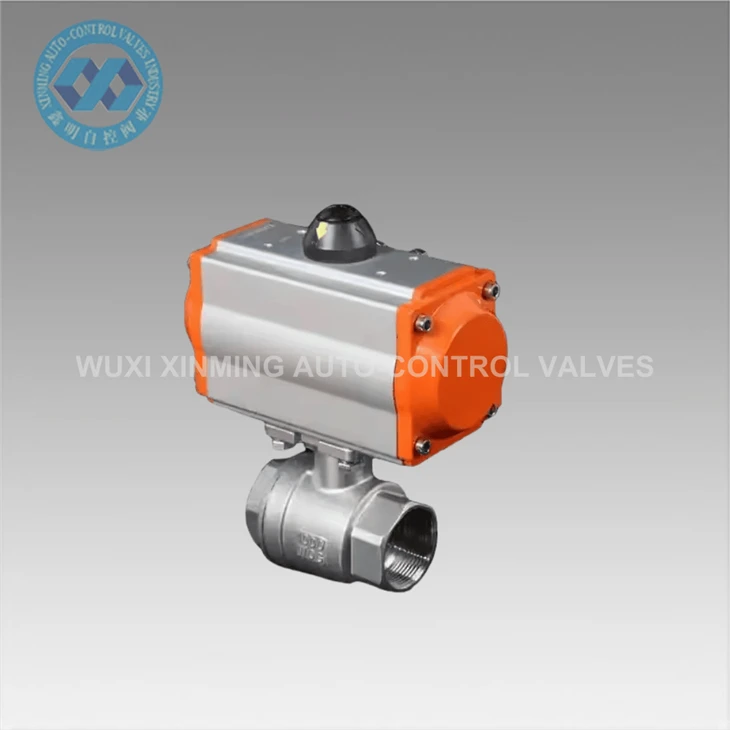
As a PVC ball valve supplier, we offer a wide range of high - quality PVC ball valves suitable for various applications, including sewage systems. In addition to our standard PVC ball valves, we also provide other valve solutions that may be suitable for sewage systems. For example, our Double Acting Plastic Pneumatic Actuator Ball Valve offers precise control and automation capabilities, which can be beneficial in large - scale sewage treatment plants. Our High Performance 304 Stainless Steel Two - way Ball Valve With Pneumatic Actuator provides higher mechanical strength and temperature resistance, making it suitable for more demanding sewage applications. And our Pneumatic Double Eccentric CF3m Flange Butterfly Valve offers a cost - effective and reliable solution for controlling the flow of sewage in large - diameter pipes.

Conclusion
In conclusion, PVC ball valves can be used in sewage systems, provided that the temperature and mechanical requirements of the system are within the capabilities of the valve. Their chemical resistance, cost - effectiveness, lightweight, and low friction loss make them a viable option for many sewage applications. However, it is important to be aware of the challenges associated with PVC ball valves, such as temperature limitations, mechanical strength, and solid particle handling, and to take appropriate measures to mitigate these challenges.
If you are considering using PVC ball valves or other valve solutions in your sewage system, I encourage you to contact us for more information. Our team of experts can help you select the most suitable valves for your specific needs and provide you with professional advice on installation, operation, and maintenance. Let's work together to ensure the efficient and reliable operation of your sewage system.
References
- "Handbook of Valves and Actuators" - A comprehensive reference book on valve technology and applications.
- "Sewage Treatment and Disposal" - A textbook that covers the principles and practices of sewage treatment, including the selection of valves for sewage systems.
- Manufacturer's technical specifications for PVC ball valves and related products.