Can a PVC Butterfly Valve be used in a desalination plant?
Desalination plants play a crucial role in addressing the global water scarcity issue by converting seawater or brackish water into freshwater. The proper selection of valves in these plants is vital for ensuring efficient and reliable operation. As a PVC butterfly valve supplier, I often receive inquiries about whether PVC butterfly valves can be used in desalination plants. In this blog, I will explore this question in detail.
Understanding PVC Butterfly Valves
PVC (Polyvinyl Chloride) is a widely used thermoplastic polymer known for its excellent chemical resistance, durability, and cost - effectiveness. PVC butterfly valves consist of a disc mounted on a rod, which rotates within the valve body to control the flow of fluid. When the disc is parallel to the flow, the valve is fully open, and when it is perpendicular, the valve is fully closed.
These valves are popular in various industries due to their relatively simple design, low cost, and ease of installation and maintenance. They are commonly used in applications where corrosion resistance is required, such as in water treatment plants, chemical processing, and irrigation systems.
Requirements in Desalination Plants
Desalination plants have specific requirements for valves due to the harsh operating conditions. The feedwater in desalination plants is usually seawater or brackish water, which contains high levels of salts, minerals, and other contaminants. These substances can cause corrosion, scaling, and fouling of valves over time.
In addition, desalination processes often involve high pressures and temperatures. For example, in reverse osmosis (RO) desalination, which is one of the most common desalination methods, pressures can reach up to 80 bar. Valves need to be able to withstand these high pressures without leaking or failing.
Moreover, desalination plants require valves that can provide accurate flow control to ensure the proper operation of the desalination process. Precise regulation of the flow rate is essential for maintaining the efficiency of the RO membranes and other treatment components.
Advantages of Using PVC Butterfly Valves in Desalination Plants
-
Corrosion Resistance: PVC is highly resistant to corrosion from seawater and many chemicals commonly found in desalination feedwater. This resistance helps to extend the service life of the valves and reduces the need for frequent replacement. For example, in areas where the seawater has a high chloride content, PVC butterfly valves can withstand the corrosive effects better than some metal valves.
-
Cost - Effectiveness: PVC butterfly valves are generally more affordable than valves made of other materials such as stainless steel or exotic alloys. This cost advantage can be significant for large - scale desalination plants, where a large number of valves are required. The lower initial investment and reduced maintenance costs can result in substantial savings over the life of the plant.
-
Lightweight and Easy Installation: PVC is a lightweight material, which makes the valves easier to handle and install. This can reduce the labor and equipment costs associated with valve installation, especially in areas where access is limited or where the plant layout is complex.
-
Good Flow Control: PVC butterfly valves can provide relatively accurate flow control. The simple disc - type design allows for easy adjustment of the flow rate by rotating the disc. This is suitable for many applications in desalination plants, such as controlling the flow of feedwater to the RO membranes or regulating the flow of brine discharge.

Limitations of Using PVC Butterfly Valves in Desalination Plants
- Pressure and Temperature Limitations: PVC has lower pressure and temperature ratings compared to some metal materials. In desalination plants, especially in high - pressure RO systems, PVC butterfly valves may not be able to withstand the extreme pressures. High temperatures can also cause the PVC to soften and lose its mechanical properties, which can lead to valve failure.
- Mechanical Strength: PVC is not as strong as some metals in terms of mechanical strength. In applications where the valves are subject to high - impact forces or vibrations, PVC butterfly valves may be more prone to damage. For example, in areas where there are sudden pressure surges or where the valves are located near pumps, the mechanical strength of PVC may be a limiting factor.
- Scaling and Fouling: Although PVC is resistant to corrosion, it can still be affected by scaling and fouling. The salts and minerals in the seawater can accumulate on the valve surfaces, which can affect the valve's performance and reduce its flow capacity over time.
Applications in Desalination Plants
Despite the limitations, PVC butterfly valves can still be used in certain areas of desalination plants.
- Low - Pressure Applications: In areas where the pressure is relatively low, such as in the pretreatment section of a desalination plant, PVC butterfly valves can be a suitable choice. Pretreatment processes, such as filtration and chemical dosing, typically operate at lower pressures, and PVC valves can provide reliable flow control.
- Non - Critical Flow Control: For applications where precise flow control is not critical, PVC butterfly valves can be used. For example, in the discharge of brine or in the circulation of treated water for non - essential purposes, PVC valves can offer a cost - effective solution.
Complementary Products
As a PVC butterfly valve supplier, we also offer other types of valves that can be used in desalination plants to complement the PVC butterfly valves.
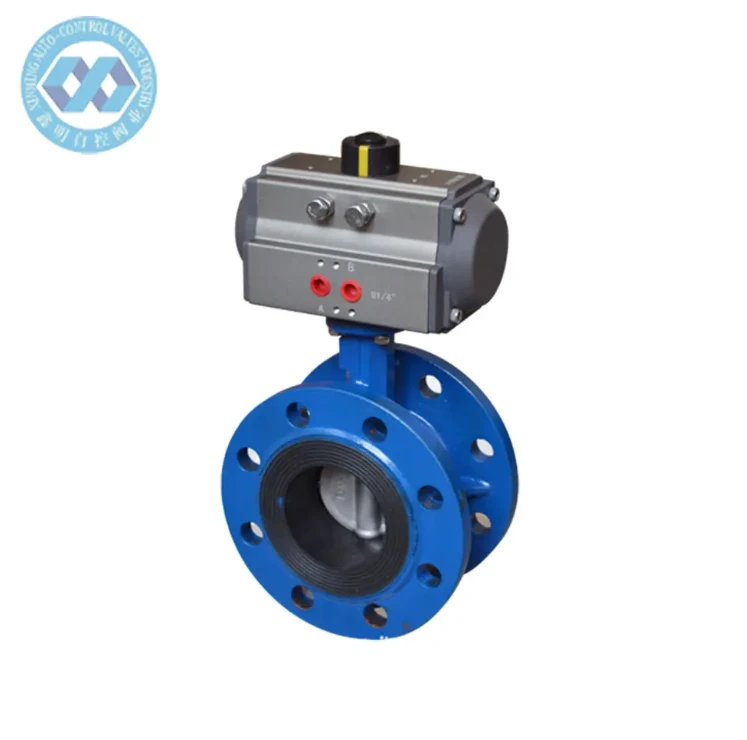
- Factory - direct Pneumatic Double Eccentric Flange Butterfly Valve: These valves are designed for high - pressure applications. The double - eccentric design provides better sealing performance and reduces wear on the valve seat. They can be used in the high - pressure sections of desalination plants, such as the RO feed pumps.
- 3 Way Pneumatic Soft - Seal Flange Dutile Iron Butterfly Valve: The ductile iron body provides good mechanical strength, and the soft - seal design ensures tight sealing. These valves are suitable for applications where a combination of strength and sealing performance is required, such as in the distribution of treated water within the plant.
- Advanced Efficiency Pneumatic Butterfly Valve: These valves are designed for high - efficiency flow control. They can be used in areas where precise regulation of the flow rate is essential, such as in the chemical dosing systems of desalination plants.
Conclusion
In conclusion, PVC butterfly valves have both advantages and limitations when it comes to use in desalination plants. While they offer excellent corrosion resistance and cost - effectiveness, their pressure and temperature limitations and relatively low mechanical strength restrict their use in high - pressure and high - stress applications. However, they can be effectively used in low - pressure and non - critical flow control areas of desalination plants.
If you are involved in the design, operation, or maintenance of a desalination plant and are considering the use of PVC butterfly valves or other types of valves, I encourage you to contact us for a detailed consultation. Our team of experts can help you select the most suitable valves based on your specific requirements and operating conditions. We are committed to providing high - quality valves and excellent customer service to ensure the smooth and efficient operation of your desalination plant.
References
- "Desalination Technology and Engineering" by William A. Anderson.
- "Valve Handbook" by J. R. Netterville.
- Industry reports on desalination plant operations and valve selection.