As a seasoned supplier of sanitary ball valves, I've witnessed firsthand the pivotal role that pressure plays in the sealing performance of these essential components. In the world of fluid control systems, sanitary ball valves are widely used across various industries, including food and beverage, pharmaceutical, and dairy, where maintaining a hygienic and leak - free environment is of utmost importance. In this blog, we'll delve into the effects of pressure on the sealing of sanitary ball valves and explore how it impacts their overall functionality.
Understanding Sanitary Ball Valves
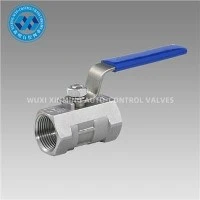
Before we discuss the influence of pressure on sealing, let's briefly understand what sanitary ball valves are. Sanitary ball valves are designed to meet strict hygiene standards. They typically consist of a ball with a hole in the center, which rotates within the valve body. When the ball is aligned with the flow path, the valve is open, allowing fluid to pass through. When the ball is rotated 90 degrees, the valve is closed, blocking the flow. The sealing of the valve occurs at the contact points between the ball and the valve seats.
The Role of Sealing in Sanitary Ball Valves
Effective sealing is crucial for sanitary ball valves. A proper seal prevents leakage, which can lead to product contamination, loss of fluids, and potential safety hazards. In industries where product purity is non - negotiable, such as the pharmaceutical industry, even a small leak can compromise the entire production batch. Moreover, a good seal also ensures the efficiency of the fluid control system, as it minimizes energy losses and maintains the desired flow rate.
How Pressure Affects Sealing
Positive Pressure and Sealing
Positive pressure, or the pressure exerted by the fluid flowing through the valve, has a significant impact on the sealing performance of sanitary ball valves. When the pressure is within the valve's rated pressure range, it can actually enhance the sealing. As the fluid pressure increases, it forces the ball against the valve seats more firmly, creating a tighter seal. This is especially true for valves with soft seats, such as those made of materials like PTFE (polytetrafluoroethylene). The soft material can deform slightly under pressure, filling in any microscopic gaps and improving the contact between the ball and the seat.
However, if the pressure exceeds the valve's rated pressure, it can have detrimental effects on the sealing. High pressure can cause excessive deformation of the valve components. For example, the soft seat may be squeezed so much that it extrudes into the flow path or gets damaged, leading to a loss of sealing integrity. The valve body and ball may also experience stress and deformation, which can result in misalignment and ultimately, leakage.
Negative Pressure and Sealing
Negative pressure, or a pressure lower than the atmospheric pressure, can also pose challenges to the sealing of sanitary ball valves. In a negative pressure situation, the external atmospheric pressure can push against the valve, potentially causing the ball to move away from the seat. This can create a gap between the ball and the seat, leading to air ingress or fluid backflow. Additionally, negative pressure can cause the valve components to contract, which may also affect the sealing performance. If the valve is not designed to handle negative pressure conditions, it may experience premature failure.
Factors Affecting the Valve's Ability to Withstand Pressure
Material Selection
The choice of materials for the valve components is crucial in determining its ability to withstand pressure. For the valve body, materials like stainless steel are commonly used in sanitary applications due to their high strength and corrosion resistance. The ball and seats also need to be made of appropriate materials. Harder materials can better resist deformation under high pressure, but they may require more precise machining to ensure a good seal. Soft seat materials, on the other hand, offer better initial sealing but may be more susceptible to damage at high pressures.
Design of the Valve
The design of the sanitary ball valve also plays a role in its pressure - sealing performance. Valves with a well - designed seat geometry can distribute the pressure more evenly, reducing the risk of localized stress and damage. For example, some valves have a double - piston effect design, which helps to maintain a tight seal even at high pressures. The valve's construction, such as the number of pieces and the way they are assembled, can also affect its ability to withstand pressure.

Maintaining Sealing Performance Under Pressure
Regular Inspection and Maintenance
Regular inspection and maintenance are essential to ensure the sealing performance of sanitary ball valves under pressure. Inspecting the valve components for signs of wear, damage, or deformation can help detect potential problems early. Maintenance tasks may include cleaning the valve, replacing worn - out seats, and checking the alignment of the ball and valve body.
Pressure Monitoring
Installing pressure monitoring devices in the fluid control system can help prevent over - pressurization. By continuously monitoring the pressure, operators can take corrective actions, such as adjusting the flow rate or shutting down the system, if the pressure approaches the valve's rated limit.
Our Product Offerings
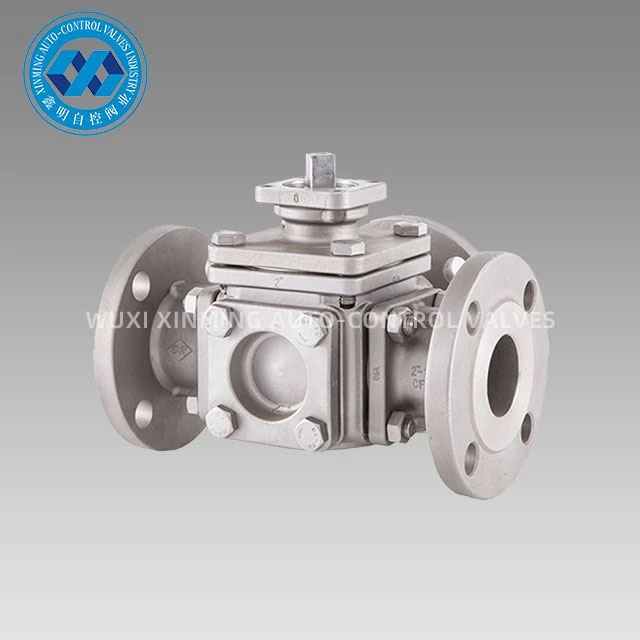
As a leading supplier of sanitary ball valves, we offer a wide range of products to meet different pressure requirements. Our Pneumatic Actuator Flange Tee Ball Valve is designed for applications where precise control and reliable sealing are needed. It can handle a variety of pressures and is suitable for use in different industries. Our 3 Piece Pneumatic Thread Ball Valve is another popular choice, offering easy maintenance and good sealing performance. And our 3 Way Ball Valve provides flexibility in fluid control, with excellent sealing capabilities under different pressure conditions.
Conclusion
Pressure has a profound effect on the sealing of sanitary ball valves. While appropriate pressure can enhance the sealing, excessive or inappropriate pressure can lead to sealing failure. By understanding these effects and taking proper measures, such as selecting the right materials, designing the valve correctly, and performing regular maintenance, we can ensure the reliable and efficient operation of sanitary ball valves.
If you're in need of high - quality sanitary ball valves for your fluid control system, don't hesitate to reach out to us. We're committed to providing you with the best products and solutions to meet your specific pressure and sealing requirements. Contact us today to start a procurement discussion and find the perfect sanitary ball valve for your application.
References
- Smith, J. (2018). "Fluid Control Systems: Principles and Applications". New York: Industrial Press.
- Johnson, R. (2020). "Sanitary Valve Design and Performance". Journal of Sanitary Engineering, 45(2), 123 - 135.
- Brown, A. (2019). "Pressure Effects on Valve Sealing". Proceedings of the International Conference on Fluid Mechanics, 78 - 85.