Can a WCB Ball Valve be used in HVAC systems?
As a supplier of WCB ball valves, I am often asked whether these valves can be used in HVAC (Heating, Ventilation, and Air Conditioning) systems. This is a question that requires a comprehensive analysis, taking into account various factors such as the characteristics of WCB ball valves, the requirements of HVAC systems, and industry standards.
Understanding WCB Ball Valves
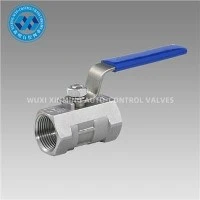
WCB, which stands for "Wrought Carbon Steel B," is a common material used in the manufacturing of ball valves. WCB ball valves are known for their durability, strength, and resistance to corrosion to a certain extent. The ball inside the valve rotates to control the flow of fluid. When the ball's hole aligns with the pipeline, the valve is open, allowing fluid to pass through. When the ball is rotated 90 degrees, the solid part of the ball blocks the pipeline, shutting off the flow.
These valves are available in different sizes, pressure ratings, and end connections, making them suitable for a wide range of applications. They can handle various types of fluids, including water, steam, and some chemicals.
Requirements of HVAC Systems
HVAC systems are complex and require precise control of fluid flow to maintain the desired temperature, humidity, and air quality in a building. The key requirements for valves in HVAC systems include:
Flow Control
Accurate flow control is essential to ensure that the right amount of heating or cooling medium (such as water or refrigerant) is delivered to different parts of the system. Valves need to be able to adjust the flow rate smoothly and precisely.
Leakage Prevention
Leakage can lead to energy loss, reduced system efficiency, and potential damage to the building structure. Therefore, valves in HVAC systems must have excellent sealing performance to prevent any fluid leakage.
Compatibility with Fluids
HVAC systems use different types of fluids, such as chilled water, hot water, and refrigerants. Valves need to be compatible with these fluids to avoid corrosion, chemical reactions, and other issues that could affect the valve's performance and the overall system operation.
Durability and Reliability
HVAC systems operate continuously for long periods, so valves need to be durable and reliable to withstand the constant wear and tear. They should be able to maintain their performance over an extended service life without frequent breakdowns or maintenance.

Can WCB Ball Valves Meet the Requirements of HVAC Systems?
Flow Control
WCB ball valves can provide good flow control. The quarter - turn operation allows for quick opening and closing, and with the appropriate sizing and design, they can be used to regulate the flow rate. However, for more precise flow control requirements, especially in applications where a very fine adjustment of flow is needed, other types of valves such as globe valves or control valves may be more suitable.
Leakage Prevention
WCB ball valves typically have good sealing performance. The ball and seat design provides a tight seal when the valve is closed, reducing the risk of leakage. However, the quality of the seal depends on factors such as the manufacturing process, the material of the seat, and the installation. High - quality WCB ball valves with proper installation can effectively prevent leakage in HVAC systems.
Compatibility with Fluids
In most HVAC applications that use water as the heating or cooling medium, WCB ball valves are compatible. WCB has good resistance to water corrosion, especially when the water is treated properly. However, for applications involving refrigerants or other chemicals, special considerations need to be taken. Some refrigerants may react with the carbon steel material of WCB, leading to corrosion. In such cases, valves made of more corrosion - resistant materials like stainless steel may be a better choice.
Durability and Reliability
WCB ball valves are generally durable and reliable. The carbon steel material provides strength and can withstand the pressure and temperature variations in HVAC systems. However, they may be more prone to corrosion in harsh environments or when exposed to certain chemicals. Regular maintenance and proper coating can help extend their service life.
Advantages of Using WCB Ball Valves in HVAC Systems
Cost - Effectiveness
WCB ball valves are relatively inexpensive compared to some other types of valves made of more exotic materials. This makes them a cost - effective option for HVAC systems, especially in large - scale projects where cost is a significant consideration.
Easy Installation and Maintenance
The simple design of WCB ball valves makes them easy to install. They have fewer components compared to some other valve types, which also simplifies maintenance. In case of a problem, the ball and seat can be easily replaced, reducing downtime.
Wide Availability
WCB ball valves are widely available in the market, which means that they can be easily sourced for HVAC projects. This also makes it easier to find replacement parts if needed.
Limitations of Using WCB Ball Valves in HVAC Systems
Corrosion Risk
As mentioned earlier, WCB ball valves are susceptible to corrosion in certain environments, especially when exposed to aggressive chemicals or untreated water. This can lead to valve failure and affect the performance of the HVAC system.
Limited Flow Control Precision
For applications that require extremely precise flow control, WCB ball valves may not be the best choice. Their on - off or coarse - adjustment nature may not be sufficient for applications where a very fine - tuned flow is necessary.
Applications of WCB Ball Valves in HVAC Systems
Water Distribution Systems
In HVAC water distribution systems, WCB ball valves can be used for isolation and on - off control. For example, in a chilled water or hot water piping network, they can be installed at the main branches or at the inlets and outlets of equipment to shut off the flow for maintenance or emergency situations.
Some Secondary Loops
In secondary loops of HVAC systems where the flow control requirements are not extremely precise, WCB ball valves can be used effectively. They can help regulate the flow and ensure the proper distribution of the heating or cooling medium.
Related Products
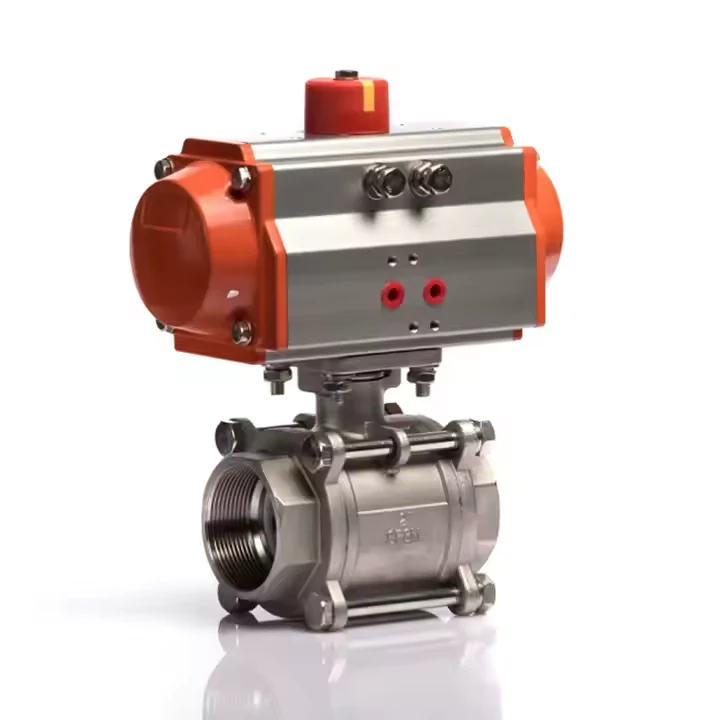
If you are interested in other types of valves for HVAC systems, we also offer a variety of products. For example, the Pneumatic Actuator Three Way Stainless Steel Ball Valve provides more advanced flow control capabilities with the use of a pneumatic actuator and stainless steel construction, which is more suitable for applications requiring corrosion resistance and precise control.
The Pneumatic Thread Ball Valves: The Core Valves in Industrial Pipeline Systems are also a good option for HVAC systems. They are designed for industrial pipeline applications and can offer reliable performance in terms of flow control and leakage prevention.
The Double - union PVC Ball Valve With Double Acting Pneumatic Actuator is another alternative, especially for applications where a non - metallic valve is preferred due to its chemical resistance and light weight.
Conclusion
In conclusion, WCB ball valves can be used in HVAC systems, but their suitability depends on the specific requirements of the application. They offer cost - effectiveness, easy installation, and wide availability, making them a viable option for many HVAC projects, especially for water - based systems and applications with less stringent flow control requirements. However, their limitations in terms of corrosion resistance and flow control precision need to be carefully considered.
If you are planning an HVAC project and are considering using WCB ball valves, or if you have any questions about valve selection, feel free to contact us for further consultation. We are a professional supplier of WCB ball valves and can provide you with the most suitable solutions based on your specific needs.
References
- ASHRAE Handbook of HVAC Systems and Equipment
- Valve Handbook by Tom L. Young
- Technical literature on WCB ball valves from valve manufacturers