As a supplier of AT Pneumatic Actuators, I often receive inquiries from customers regarding the suitability of our products for food - grade applications. This is a crucial question considering the strict regulations and high - safety standards in the food industry. In this blog, I will explore whether an AT Pneumatic Actuator can be used in food - grade applications, analyzing the factors involved and providing relevant information to help you make an informed decision.
Understanding AT Pneumatic Actuators
AT Pneumatic Actuators are devices that convert energy from compressed air into mechanical motion. They are widely used in various industrial applications due to their reliability, efficiency, and relatively low cost. These actuators come in different types, such as rotary and linear, and are designed to control the movement of valves, dampers, and other equipment.
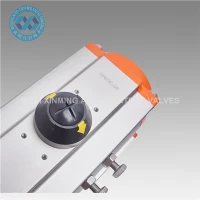
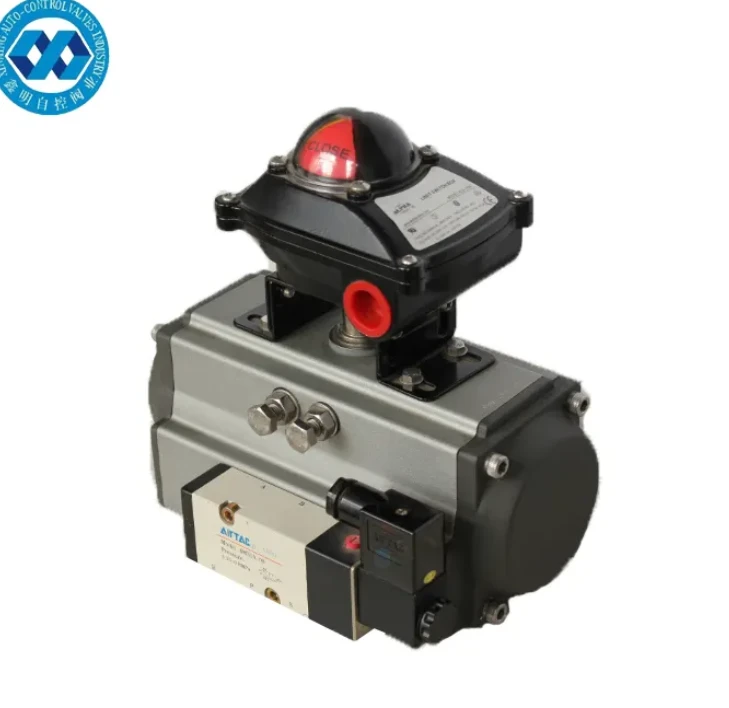
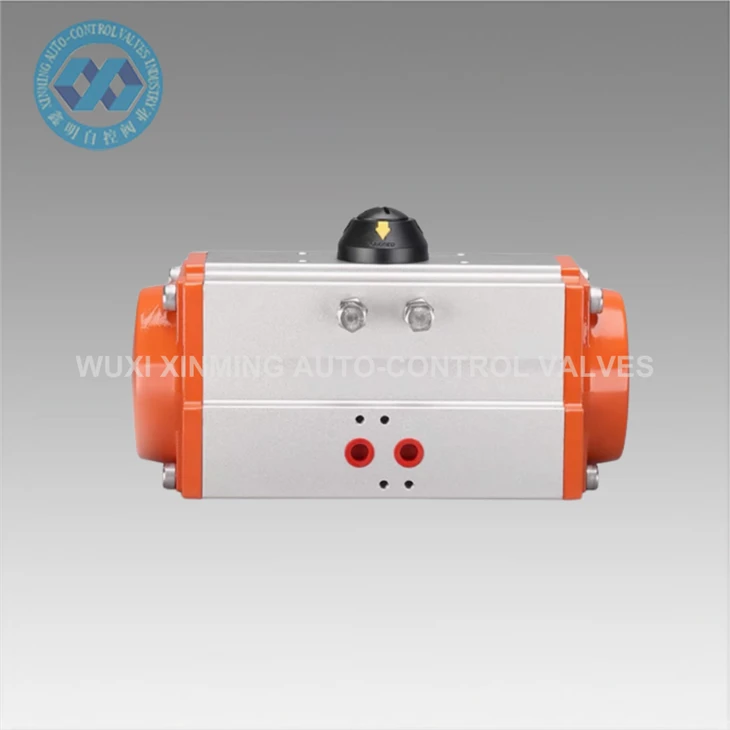
For instance, our Valve Airtac Pneumatic Cylinder Actuator with actuator position indicator is a popular product. It provides precise control over the position of the valve, ensuring smooth operation in industrial processes. Our Factory Manufacturing Pneumatic Piston Actuators Aluminum Alloy Rotary Valve At Series Pneumatic Actuators are made of high - quality aluminum alloy, which offers good durability and corrosion resistance.
Requirements for Food - Grade Applications
The food industry has strict requirements for equipment used in food processing, storage, and packaging. These requirements are mainly aimed at ensuring food safety and preventing contamination. Some of the key requirements include:
Material Compatibility
The materials used in food - grade equipment must be non - toxic, non - reactive, and resistant to corrosion. They should not release any harmful substances into the food. For example, stainless steel is a commonly used material in food - grade applications because it is easy to clean, resistant to corrosion, and does not react with food.
Hygiene and Cleanability
Food - grade equipment should be easy to clean and sanitize to prevent the growth of bacteria and other microorganisms. It should have smooth surfaces without any crevices or dead spaces where food particles can accumulate.
Compliance with Standards
The equipment must comply with relevant food safety standards, such as the FDA (Food and Drug Administration) regulations in the United States and the EU food safety regulations in Europe. These standards specify the allowable materials, design requirements, and manufacturing processes for food - grade equipment.
Can AT Pneumatic Actuators Meet Food - Grade Requirements?
Material Considerations
Some AT Pneumatic Actuators can be made with materials that are suitable for food - grade applications. For example, actuators with stainless - steel bodies or components can meet the material compatibility requirements. Stainless steel is resistant to corrosion and does not pose a risk of contaminating food. Additionally, some seals and gaskets used in the actuators can be made of food - grade elastomers, such as EPDM (Ethylene Propylene Diene Monomer), which is approved for contact with food.
However, not all AT Pneumatic Actuators are made with food - grade materials. Some actuators may have components made of materials that are not suitable for food contact, such as certain types of plastics or coatings. Therefore, it is essential to carefully select the actuator based on its material composition.
Design for Hygiene
The design of the AT Pneumatic Actuator also plays a crucial role in its suitability for food - grade applications. Actuators with a simple and smooth design are easier to clean and sanitize. For example, an actuator with a modular design that allows for easy disassembly can be more effectively cleaned. Our Three Position Actuator is designed with a focus on functionality and ease of maintenance, which can also contribute to meeting hygiene requirements in food - grade applications.
Compliance with Standards
To be used in food - grade applications, the AT Pneumatic Actuator must comply with relevant food safety standards. This may require the actuator to undergo testing and certification by a recognized third - party organization. As a supplier, we can provide actuators that are designed and manufactured to meet these standards. We work closely with testing laboratories to ensure that our products meet the strict requirements of the food industry.
Advantages of Using AT Pneumatic Actuators in Food - Grade Applications
Reliability
AT Pneumatic Actuators are known for their reliability. They can operate continuously in harsh industrial environments, which is important in food - processing plants where equipment downtime can lead to significant losses. The precise control provided by these actuators ensures that the valves and other equipment operate accurately, maintaining the quality and safety of the food products.
Cost - Effectiveness
Compared to some other types of actuators, AT Pneumatic Actuators are relatively cost - effective. They have a lower initial cost and require less maintenance, which can result in significant savings for food - processing companies over the long term.
Easy to Integrate
AT Pneumatic Actuators can be easily integrated into existing food - processing systems. They can be connected to various types of valves and control systems, allowing for seamless operation.
Challenges and Limitations
Contamination Risk
Although AT Pneumatic Actuators can be designed to minimize the risk of contamination, there is still a potential for contamination if the actuators are not properly maintained or if they are exposed to dirty air or other contaminants. For example, if the compressed air used to power the actuator is not properly filtered, it can introduce dirt and bacteria into the system.
Temperature and Humidity Sensitivity
Some AT Pneumatic Actuators may be sensitive to temperature and humidity changes. In food - processing environments, where temperature and humidity can vary significantly, this can affect the performance of the actuators. Therefore, it is important to select actuators that are suitable for the specific environmental conditions in the food - processing plant.
Conclusion
In conclusion, AT Pneumatic Actuators can be used in food - grade applications, but it depends on several factors. By carefully selecting actuators made with food - grade materials, ensuring proper design for hygiene, and obtaining compliance with relevant standards, these actuators can provide reliable and cost - effective solutions for the food industry.
If you are considering using AT Pneumatic Actuators in your food - grade applications, we are here to help. Our team of experts can provide you with detailed information about our products, including material specifications, design features, and compliance with food safety standards. We can also assist you in selecting the most suitable actuator for your specific needs. Please feel free to contact us to start a discussion about your procurement requirements.
References
- "Food Safety Regulations in the United States and Europe", Published by International Food Information Council Foundation
- "Materials for Food - Grade Equipment", Journal of Food Science and Technology
- "Pneumatic Actuator Design and Applications", Industrial Automation Handbook