Hey there! As a ball valve supplier, I'm super stoked to share with you all the awesome advantages of ball valves. Ball valves are like the unsung heroes in the world of fluid control, and once you know what they can do, you'll wonder how you ever did without them.
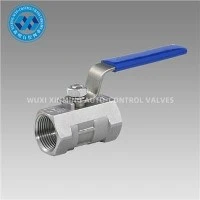
First off, let's talk about their simplicity. Ball valves have a really straightforward design. At the heart of it, there's a ball with a hole in the middle. When the hole lines up with the flow path, the valve is open, and fluid can pass through. When you turn the ball a quarter - turn, the solid part of the ball blocks the flow path, and the valve is closed. This simple design means fewer parts that can break down. There's no complex machinery or a bunch of moving bits to worry about. It's just a ball and a few seals. And that simplicity translates into lower maintenance costs. You don't have to constantly replace parts or deal with complicated repairs. It's a no - brainer for anyone looking to keep their operational costs down.
Another big plus is the quick operation. With just a quarter - turn of the handle, you can fully open or close a ball valve. Compare that to some other types of valves that might require multiple turns of a wheel or a long, drawn - out process to change the flow state. In industries where time is of the essence, like in chemical processing or oil and gas, this quick operation can be a game - changer. You can respond rapidly to changes in the system, whether it's to shut off a flow in an emergency or to adjust the flow rate during normal operations.
Ball valves also offer excellent sealing performance. The ball in the valve is designed to fit snugly against the seals. When the valve is closed, it creates a tight seal that prevents leakage. This is crucial in applications where you're dealing with hazardous or expensive fluids. For example, in a pharmaceutical manufacturing plant, you don't want any of the valuable and potentially dangerous chemicals to leak out. A well - made ball valve can ensure that the fluid stays where it's supposed to be, keeping your operations safe and efficient.
Now, let's touch on the durability of ball valves. They're built to last. Most ball valves are made from high - quality materials like stainless steel, brass, or even exotic alloys. These materials can withstand a wide range of temperatures, pressures, and corrosive environments. Whether you're working in a high - pressure steam system or a corrosive chemical tank, there's a ball valve that can handle it. This durability means you won't have to replace your valves frequently, which saves you both time and money in the long run.


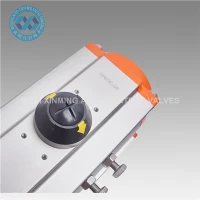
Ball valves are also very versatile. They come in different sizes, configurations, and materials to suit a variety of applications. For instance, if you need a valve for a small - scale plumbing project, you can go for a Thread Ball Valve. These are easy to install and are great for controlling the flow of water in your home or a small commercial building. On the other hand, if you're in an industrial setting that requires more complex flow control, you might consider a Pneumatic Stainless Steel 3 Way Ball Valve. These valves can be automated, allowing for precise control of the flow direction and rate. And if you need a valve with a specific flow pattern, like an L - shaped flow path, the L - t Stainless Steel Pneumatic Three - way Ball Valve is a great option.
In terms of flow characteristics, ball valves have a very low pressure drop. The hole in the ball is usually the same size as the pipe diameter, which means the fluid can flow through the valve with minimal resistance. This is important because a low pressure drop means less energy is required to move the fluid through the system. In large - scale industrial operations, this can result in significant energy savings over time.
When it comes to installation, ball valves are relatively easy to install. They can be installed in different orientations, whether it's horizontal, vertical, or at an angle. This flexibility makes them suitable for a wide range of piping systems. And since they have a simple design, the installation process doesn't require a lot of specialized skills or tools.
Ball valves also offer good flow control. You can adjust the position of the ball to control the amount of fluid flowing through the valve. This is useful in applications where you need to regulate the flow rate, such as in a water treatment plant or a heating system. You can fine - tune the flow to meet the specific requirements of your process.
Now, I know you might be thinking, "All these advantages sound great, but how do I get my hands on these ball valves?" Well, as a ball valve supplier, I'm here to help. Whether you're a small business looking for a few valves for a simple project or a large industrial company in need of a bulk order, I've got you covered. I can provide you with high - quality ball valves that meet all your specifications.
If you're interested in learning more about our ball valves or want to discuss your specific needs, don't hesitate to reach out. We can have a chat about the best valve options for your application, and I can give you a quote. We're committed to providing excellent customer service and ensuring that you get the right valves for your project. So, if you're in the market for ball valves, let's start a conversation and see how we can work together to make your fluid control systems more efficient and reliable.
References
- "Valve Handbook: A Guide to Valve Selection and Sizing"
- Industry standards and specifications for ball valves from relevant organizations.