As a seasoned supplier of butterfly valves, I've witnessed firsthand the critical role these valves play in various industrial applications. One of the most crucial aspects of a butterfly valve is its sealing method, which directly impacts its performance, reliability, and longevity. In this blog post, I'll delve into the different sealing methods of butterfly valves, their advantages, and applications, to help you make an informed decision when choosing the right valve for your needs.
Resilient Seating
Resilient seating is one of the most common sealing methods used in butterfly valves. It involves the use of an elastomeric material, such as rubber or EPDM, to create a tight seal between the valve disc and the valve body. The resilient seat is typically molded onto the valve body or the disc, providing a flexible and durable sealing surface.
One of the primary advantages of resilient seating is its excellent sealing performance. The elastomeric material can conform to the surface irregularities of the valve disc and body, ensuring a tight seal even under low-pressure conditions. This makes resilient-seated butterfly valves ideal for applications where a bubble-tight shutoff is required, such as in water treatment plants, HVAC systems, and food and beverage processing.
Another advantage of resilient seating is its resistance to corrosion and abrasion. The elastomeric material can protect the valve body and disc from the effects of harsh chemicals, acids, and other corrosive substances, extending the valve's service life. Additionally, the resilient seat can absorb the impact of particles and debris in the fluid, reducing the risk of damage to the valve components.
However, resilient-seated butterfly valves also have some limitations. The elastomeric material may not be suitable for high-temperature or high-pressure applications, as it can degrade or lose its elasticity under extreme conditions. Additionally, the resilient seat may be prone to wear and tear over time, especially in applications where the valve is frequently opened and closed.
Metal Seating
Metal seating is another popular sealing method used in butterfly valves. It involves the use of a metal-to-metal contact between the valve disc and the valve body to create a seal. The metal seat is typically machined or welded onto the valve body or the disc, providing a hard and durable sealing surface.
One of the primary advantages of metal seating is its ability to withstand high temperatures and pressures. The metal material can maintain its integrity and sealing performance even under extreme conditions, making metal-seated butterfly valves ideal for applications in the oil and gas, power generation, and chemical processing industries.
Another advantage of metal seating is its resistance to wear and tear. The metal seat can withstand the impact of particles and debris in the fluid, reducing the risk of damage to the valve components. Additionally, the metal seat can be easily repaired or replaced if it becomes damaged, extending the valve's service life.
However, metal-seated butterfly valves also have some limitations. The metal-to-metal contact may not provide a bubble-tight shutoff, especially in applications where a high level of sealing performance is required. Additionally, the metal seat may be prone to corrosion and oxidation, especially in applications where the valve is exposed to harsh chemicals or corrosive substances.
Double Eccentric Seating
Double eccentric seating is a variation of the metal seating method that offers improved sealing performance and reduced wear and tear. It involves the use of two eccentricities in the valve design: one in the shaft and one in the disc. The eccentricities cause the valve disc to rotate off-center as it opens and closes, reducing the friction between the disc and the seat and minimizing the wear on the sealing surfaces.
One of the primary advantages of double eccentric seating is its ability to provide a tight seal with minimal torque. The eccentric design allows the valve disc to disengage from the seat quickly as it opens, reducing the friction and wear on the sealing surfaces. This makes double eccentric butterfly valves ideal for applications where a low operating torque is required, such as in large-diameter pipelines and high-pressure systems.
Another advantage of double eccentric seating is its resistance to wear and tear. The eccentric design reduces the contact between the disc and the seat, minimizing the wear on the sealing surfaces and extending the valve's service life. Additionally, the double eccentric design can compensate for any misalignment between the valve disc and the seat, ensuring a consistent and reliable seal.
However, double eccentric butterfly valves also have some limitations. The eccentric design may not be suitable for applications where a bubble-tight shutoff is required, as the metal-to-metal contact may not provide a perfect seal. Additionally, the double eccentric design may be more complex and expensive than other sealing methods, requiring specialized manufacturing and installation techniques.
Triple Eccentric Seating
Triple eccentric seating is the most advanced sealing method used in butterfly valves. It involves the use of three eccentricities in the valve design: one in the shaft, one in the disc, and one in the seat. The eccentricities cause the valve disc to rotate off-center as it opens and closes, creating a cam-like action that ensures a tight seal with minimal friction and wear.
One of the primary advantages of triple eccentric seating is its ability to provide a bubble-tight shutoff with minimal torque. The cam-like action of the valve disc allows it to disengage from the seat quickly as it opens, reducing the friction and wear on the sealing surfaces. This makes triple eccentric butterfly valves ideal for applications where a high level of sealing performance is required, such as in the oil and gas, power generation, and chemical processing industries.
Another advantage of triple eccentric seating is its resistance to wear and tear. The cam-like action of the valve disc reduces the contact between the disc and the seat, minimizing the wear on the sealing surfaces and extending the valve's service life. Additionally, the triple eccentric design can compensate for any misalignment between the valve disc and the seat, ensuring a consistent and reliable seal.
However, triple eccentric butterfly valves also have some limitations. The triple eccentric design may be more complex and expensive than other sealing methods, requiring specialized manufacturing and installation techniques. Additionally, the triple eccentric design may not be suitable for applications where a low-cost valve is required, as the valve may be more expensive than other types of butterfly valves.
Conclusion
In conclusion, the sealing method of a butterfly valve is a critical factor that can significantly impact its performance, reliability, and longevity. Resilient seating is ideal for applications where a bubble-tight shutoff is required at low temperatures and pressures, while metal seating is suitable for applications where high temperatures and pressures are involved. Double eccentric seating and triple eccentric seating offer improved sealing performance and reduced wear and tear, making them ideal for applications where a high level of sealing performance is required.
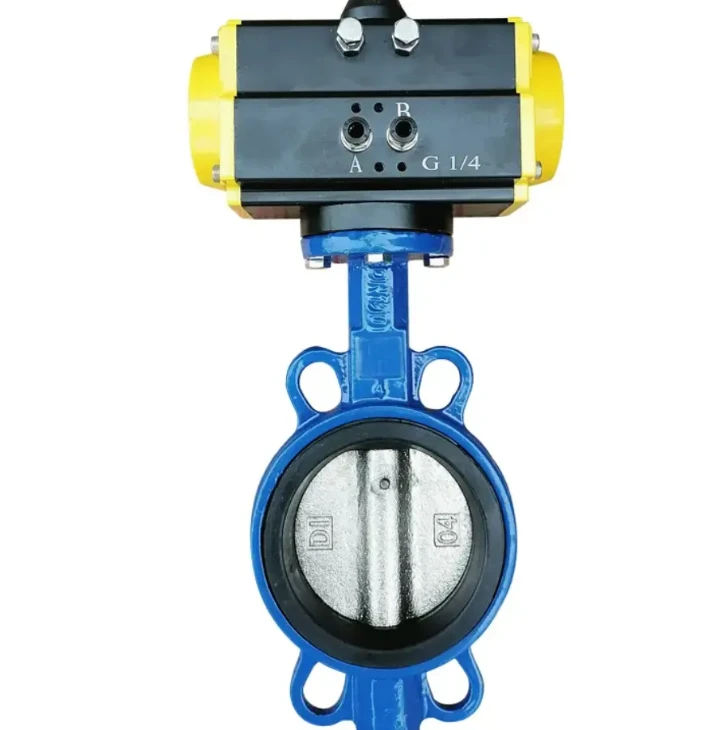
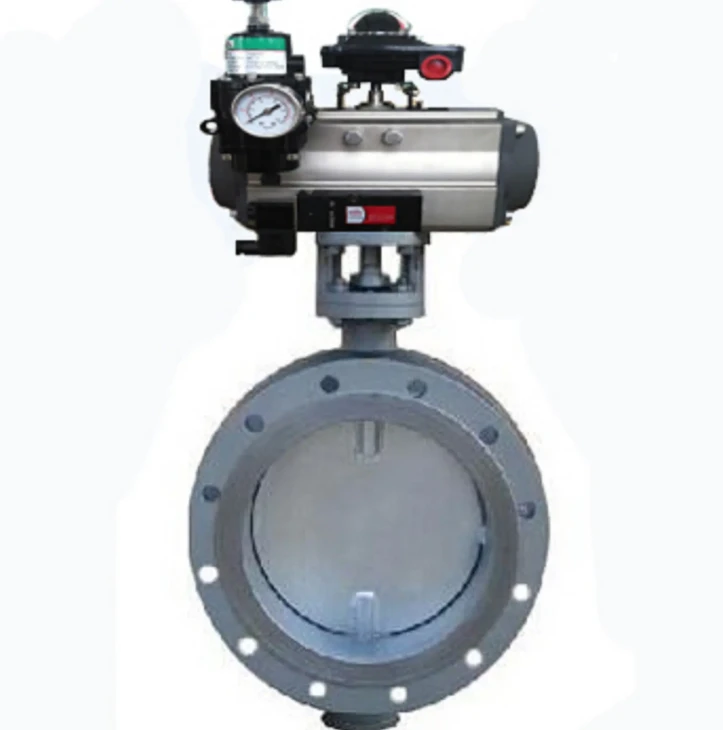
As a butterfly valve supplier, we offer a wide range of butterfly valves with different sealing methods to meet the diverse needs of our customers. Our Triple Eccentric Butterfly Valve is designed to provide a bubble-tight shutoff with minimal torque, making it ideal for high-pressure and high-temperature applications. Our New Arrival Pneumatic Stainless Steel Wafer Butterfly Valve features a resilient seat for excellent sealing performance and corrosion resistance, making it suitable for a variety of applications. And our The New Metal Button Ne Way Check Diaphragm Actuator Pneumatic Ball Valve offers a reliable and cost-effective solution for fluid control in various industries.
If you're looking for a high-quality butterfly valve for your application, please don't hesitate to contact us. Our team of experts will be happy to assist you in selecting the right valve for your needs and provide you with a competitive quote. We look forward to working with you!
References
- "Butterfly Valves: Selection, Installation, and Maintenance," Valve Magazine
- "Sealing Technology for Butterfly Valves," Valve World
- "Advantages and Disadvantages of Different Sealing Methods in Butterfly Valves," Valve Manufacturer's Association