As a supplier of WCB ball valves, I often get asked about the sealing performance of these essential components in various industrial applications. The sealing performance of a WCB ball valve is a critical factor that determines its effectiveness, reliability, and overall suitability for a wide range of operations. In this blog post, I'll delve into the details of what makes the sealing performance of a WCB ball valve so important and how it is achieved.
Understanding WCB Ball Valves
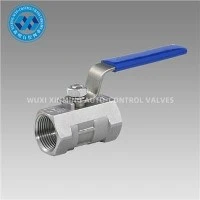
Before we discuss the sealing performance, let's briefly understand what a WCB ball valve is. WCB is a common material used in the construction of ball valves. It is a carbon steel casting material that offers good strength, toughness, and weldability. Ball valves, on the other hand, are quarter - turn valves that use a spherical disc (the ball) to control the flow of fluid through the valve. When the ball is rotated a quarter - turn (90 degrees), it either allows the fluid to pass through (open position) or blocks the flow (closed position).
Importance of Sealing Performance
The sealing performance of a WCB ball valve is of utmost importance for several reasons. Firstly, in industrial processes, preventing leakage is crucial for safety. Leakage of hazardous fluids such as chemicals, gases, or high - pressure steam can pose significant risks to personnel, equipment, and the environment. A well - sealed ball valve ensures that these fluids are contained within the pipeline system, reducing the potential for accidents.
Secondly, leakage can lead to loss of product. In industries where the fluid being transported is valuable, such as in the oil and gas sector, even a small amount of leakage over time can result in substantial financial losses. A ball valve with excellent sealing performance helps to minimize these losses by ensuring that the fluid remains within the system.
Finally, good sealing performance also contributes to the efficiency of the overall system. Leakage can cause pressure drops in the pipeline, which in turn can reduce the flow rate and increase the energy consumption required to maintain the desired flow. By preventing leakage, a WCB ball valve helps to maintain the pressure and flow characteristics of the system, improving its efficiency.
Factors Affecting Sealing Performance
Several factors can affect the sealing performance of a WCB ball valve. One of the most important factors is the quality of the sealing materials. The ball valve typically has two main sealing components: the seat and the stem packing.
The seat is the part of the valve that comes into contact with the ball to create a seal. Common seat materials include PTFE (Polytetrafluoroethylene), which offers excellent chemical resistance and low friction, and metal seats, which are more suitable for high - temperature and high - pressure applications. The choice of seat material depends on the nature of the fluid being transported, the operating temperature, and the pressure conditions.
The stem packing is another critical sealing component. It prevents leakage along the valve stem, which is the part that connects the ball to the external operating mechanism. The stem packing material must be able to withstand the pressure and temperature of the system while also providing a good seal. Common stem packing materials include graphite, which has good thermal stability and lubricity, and elastomers, which offer good flexibility and sealing properties.
The surface finish of the ball and the seat also plays a crucial role in sealing performance. A smooth and uniform surface finish ensures better contact between the ball and the seat, reducing the likelihood of leakage. Any scratches, dents, or irregularities on the surface can create gaps through which the fluid can leak.
The design of the valve also affects its sealing performance. A well - designed ball valve will have proper alignment between the ball and the seat, ensuring that the seal is evenly distributed around the circumference of the ball. Additionally, the valve should be able to withstand the forces exerted on it during operation, such as the pressure of the fluid and the torque applied to the stem.
Testing the Sealing Performance
To ensure that a WCB ball valve meets the required sealing standards, it undergoes a series of tests. One of the most common tests is the hydrostatic test, which involves filling the valve with water and applying a specified pressure to check for leakage. The valve is typically tested at a pressure higher than its normal operating pressure to ensure that it can withstand unexpected pressure surges.
Another test is the gas test, which uses a gas such as nitrogen to check for leakage. Gas tests are more sensitive than hydrostatic tests and can detect even small leaks. The valve is pressurized with the gas, and the leakage rate is measured using a leak detector.


In addition to these standard tests, some ball valves may also undergo more specialized tests depending on their intended application. For example, valves used in the food and beverage industry may be tested for compliance with food safety standards, while valves used in the pharmaceutical industry may be tested for cleanliness and sterility.
Our Company's Approach to Sealing Performance
As a WCB ball valve supplier, we take the sealing performance of our products very seriously. We use high - quality materials for the seats and stem packing, ensuring that our valves can provide reliable sealing in a wide range of applications. Our manufacturing processes are carefully controlled to ensure that the ball and the seat have a smooth and uniform surface finish, and that the valve is properly aligned.
We also conduct rigorous testing on all our ball valves to ensure that they meet or exceed the industry standards for sealing performance. Our testing facilities are equipped with state - of - the - art equipment, allowing us to accurately measure the leakage rate and ensure that our valves are leak - free.
In addition to our standard product range, we also offer customized solutions to meet the specific requirements of our customers. Whether you need a ball valve with a special seat material, a unique design, or a specific sealing performance, we can work with you to develop a solution that meets your needs.
Related Products
If you are interested in other types of ball valves, we also offer a wide range of products, including Pneumatic Actuated Three - Way Stainless Steel Ball Valve, Stainless Steel Ball Valve, and Pneumatic Ball Valve With Internal Thread. These valves are designed to provide excellent sealing performance and reliability in various applications.
Contact Us for Procurement
If you are in the market for high - quality WCB ball valves or any of our other products, we encourage you to contact us for procurement. Our team of experts is ready to assist you in selecting the right valve for your application and to provide you with all the information you need. Whether you have a small - scale project or a large - scale industrial installation, we can offer you the best solutions at competitive prices.
References
- Valve Handbook, by J. S. Tuzson
- Industrial Valves: Selection, Installation, and Maintenance, by R. A. Streeter