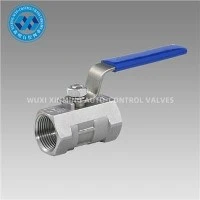
Ensuring the proper alignment of a ceramic ball valve during installation is crucial for its optimal performance and longevity. As a reputable ceramic ball valve supplier, I understand the significance of this process and am here to share valuable insights on how to achieve precise alignment.
Understanding the Importance of Alignment
Before delving into the installation process, it's essential to comprehend why proper alignment is so vital. A misaligned ceramic ball valve can lead to a range of issues, including leaks, reduced flow control, premature wear and tear, and even system failures. When a valve is not aligned correctly, the ball may not seat properly within the valve body, causing gaps that allow fluid or gas to escape. This not only compromises the efficiency of the system but can also pose safety risks in certain applications.


Pre-Installation Preparation
The first step in ensuring proper alignment is thorough pre - installation preparation. Start by carefully inspecting the valve and all associated components, such as flanges, gaskets, and piping. Check for any signs of damage, deformation, or debris that could affect the alignment or performance of the valve. Clean all components thoroughly to remove dirt, rust, or other contaminants.
Next, measure the dimensions of the valve and the piping to ensure a proper fit. The valve should be the correct size and pressure rating for the specific application. It's also important to verify that the piping is straight and free from any bends or twists that could cause misalignment. If necessary, use appropriate tools to straighten the piping or make any necessary adjustments.
Alignment Techniques
Visual Inspection
Visual inspection is a simple yet effective way to start the alignment process. Place the valve in the desired position within the piping system and visually check for any obvious signs of misalignment. Look for gaps between the valve flanges and the piping flanges, or any visible misalignment of the valve body with the piping. Use a straightedge or a level to help you determine if the valve is straight and level.
Use of Alignment Tools
In addition to visual inspection, there are several alignment tools available that can help ensure precise alignment. One commonly used tool is a laser alignment system. This system projects a laser beam onto the valve and piping, allowing you to accurately measure and adjust the alignment. Laser alignment systems are highly accurate and can detect even the slightest misalignments.
Another useful tool is a dial indicator. A dial indicator can be used to measure the amount of misalignment between the valve and the piping. By attaching the dial indicator to the valve or piping and moving it along the surface, you can measure any deviations from the desired alignment. This information can then be used to make the necessary adjustments.
Flange Alignment
Proper flange alignment is crucial for the overall alignment of the ceramic ball valve. When connecting the valve to the piping using flanges, ensure that the flange faces are parallel and the bolt holes are properly aligned. Use a flange alignment tool or a set of bolts to hold the flanges in place during the alignment process. Make sure to tighten the bolts evenly to avoid any uneven stress on the flanges, which could cause misalignment.
Installation Process
Once the alignment has been verified, it's time to proceed with the installation. Start by applying a suitable gasket to the flange faces of the valve and the piping. The gasket should be the correct size and material for the specific application. Carefully place the valve in position and align the bolt holes with those on the piping flanges. Insert the bolts through the holes and hand - tighten them to hold the valve in place.
Next, use a torque wrench to tighten the bolts to the recommended torque value. Over - tightening or under - tightening the bolts can lead to misalignment or leaks. Refer to the valve manufacturer's specifications for the correct torque values. Tighten the bolts in a criss - cross pattern to ensure even distribution of the tightening force.
Testing and Verification
After the installation is complete, it's important to test the valve to ensure proper alignment and functionality. Conduct a pressure test to check for any leaks. Gradually increase the pressure in the system and monitor the valve for any signs of leakage. If any leaks are detected, immediately shut down the system and make the necessary adjustments.
In addition to the pressure test, also perform a flow test to verify that the valve is functioning correctly. Open and close the valve several times to ensure smooth operation and proper flow control. Check the flow rate and pressure drop across the valve to ensure that they are within the acceptable range.
Conclusion
Proper alignment of a ceramic ball valve during installation is a critical step that should not be overlooked. By following the steps outlined above, you can ensure that the valve is installed correctly and functions optimally. As a ceramic ball valve supplier, I am committed to providing high - quality valves and comprehensive support to our customers. If you have any questions or need further assistance with the installation of our ceramic ball valves, please do not hesitate to contact us. We are here to help you make the most of our products and ensure the success of your projects.
If you are interested in exploring our product range, you can check out our 2PC Thread Ball Valve, Pneumatic Thread Ball Valves: The Core Valves in Industrial Pipeline Systems, and Pneumatic Threaded Ball Valve.
For more information on ceramic ball valve installation and alignment, as well as to discuss your specific requirements and potential procurement, feel free to reach out to us. Our team of experts is ready to assist you in finding the best solutions for your industrial needs.
References
- Valve Installation and Maintenance Manuals from Leading Manufacturers
- Industry Standards and Guidelines for Valve Installation and Alignment