

Hey there! As a supplier of thin ball valves, I've seen firsthand how crucial proper alignment is during installation. A misaligned thin ball valve can lead to all sorts of problems, like leaks, reduced flow efficiency, and even premature wear and tear. So, in this blog, I'm gonna share some tips on how to ensure the proper alignment of a thin ball valve during installation.
Pre - installation Checks
Before you even start the installation process, it's important to do a few checks. First off, make sure you've got the right valve for the job. Check the valve's specifications against your system requirements. You don't want to end up with a valve that's too small or too big for the pipeline.
Inspect the valve for any visible damage. Look for cracks, dents, or any signs of corrosion. A damaged valve won't function properly, even if it's perfectly aligned. Also, check the mating surfaces of the valve and the pipeline. They should be clean and free of debris. Any dirt or grime can prevent a proper seal and alignment.
Measuring and Marking
Accurate measurement is key to proper alignment. Use a reliable measuring tool, like a tape measure or a caliper, to measure the diameter of the pipeline and the valve. Make sure the measurements match. If there's a significant difference, you might need to look for an adapter or a different valve.
Once you've confirmed the measurements, mark the pipeline and the valve. Mark the centerline of both the pipeline and the valve. This will help you align them correctly during installation. You can use a permanent marker or a scribe to make the marks.
Positioning the Valve
When positioning the valve, it's important to consider the flow direction. Most thin ball valves have an arrow indicating the direction of flow. Make sure the arrow on the valve aligns with the flow direction in the pipeline. Incorrect flow direction can lead to reduced performance and even damage to the valve.
Place the valve in the pipeline carefully. Try to align the centerlines of the valve and the pipeline as closely as possible. You might need to use a lifting device, like a hoist or a crane, for larger valves. Make sure the valve is level and doesn't tilt to one side.
Using Alignment Tools
There are several alignment tools available that can help you ensure proper alignment. One of the most common tools is a flange alignment tool. If your thin ball valve has flanges, this tool can be very useful. It helps to align the bolt holes in the flanges of the valve and the pipeline. This ensures that the bolts can be inserted easily and that the valve is properly seated.
Another tool is a laser alignment tool. This tool uses a laser beam to provide a precise alignment reference. It can be especially useful for long pipelines or when high precision is required. By using a laser alignment tool, you can ensure that the valve is aligned within a very small tolerance.
Tightening the Bolts
Once the valve is in position and properly aligned, it's time to tighten the bolts. But don't just go crazy and tighten them all at once. You need to follow a specific tightening sequence. Start by tightening the bolts in a cross - pattern. This helps to distribute the pressure evenly around the flange and ensures a proper seal.
Use a torque wrench to tighten the bolts to the recommended torque value. Over - tightening the bolts can damage the valve or the pipeline, while under - tightening can lead to leaks. Refer to the valve's installation manual for the correct torque values.
Testing the Alignment
After the valve is installed and the bolts are tightened, it's important to test the alignment. You can do a visual inspection to make sure the valve looks properly aligned. Check for any signs of misalignment, such as gaps between the flanges or a valve that appears to be tilted.
You can also perform a pressure test. Apply pressure to the system and check for any leaks. If there are leaks, it could be a sign of misalignment. In this case, you might need to loosen the bolts, realign the valve, and then retighten the bolts.
Common Alignment Issues and Solutions
Sometimes, you might encounter some common alignment issues during installation. One common issue is flange misalignment. This can happen if the flanges are not properly machined or if the pipeline is not straight. To solve this problem, you can use shims to adjust the alignment. Shims are thin pieces of material that can be placed between the flanges to correct the alignment.
Another issue is valve stem misalignment. This can cause problems with the operation of the valve. If you notice that the valve stem is not moving smoothly or that the valve is difficult to open and close, it could be due to stem misalignment. In this case, you might need to disassemble the valve and realign the stem.
The Importance of Proper Alignment for Different Types of Thin Ball Valves
Different types of thin ball valves have different alignment requirements. For example, the 180 Degree Pneumatic Actuator 3 Way Ball Valve needs to be aligned precisely to ensure proper operation of the actuator. A misaligned valve can cause the actuator to malfunction, leading to problems with flow control.
The Double Union L - Shaped Three - Way Ball Valve also requires careful alignment. The L - shaped design means that the valve has to be positioned correctly to direct the flow as intended. Any misalignment can disrupt the flow pattern and reduce the efficiency of the system.
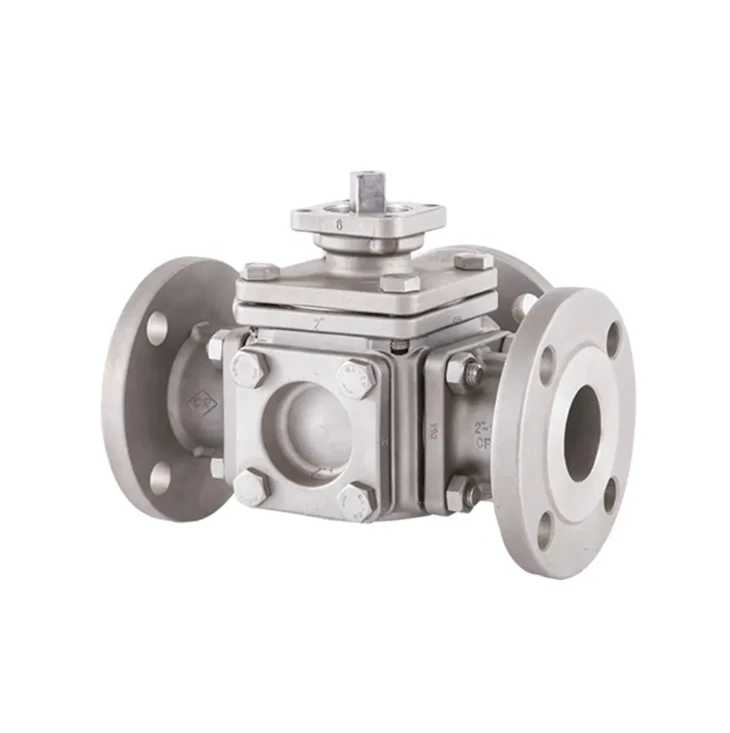

High - Performance Electric Ball Valves For Reliable Operation are another type that needs proper alignment. These valves are often used in critical applications where reliability is key. A misaligned electric ball valve can lead to electrical problems and affect the overall performance of the system.
Conclusion
Ensuring the proper alignment of a thin ball valve during installation is essential for its optimal performance and longevity. By following the steps I've outlined in this blog, from pre - installation checks to testing the alignment, you can avoid many common problems associated with misaligned valves.
If you're in the market for high - quality thin ball valves, we're here to help. We offer a wide range of thin ball valves that are designed to meet your specific needs. Whether you need a simple two - way valve or a more complex three - way valve, we've got you covered. If you have any questions or want to discuss your requirements, feel free to reach out to us. We're always happy to help you find the right valve and ensure a smooth installation process.
References
- Valve Installation Manuals
- Industry Standards for Valve Installation
- Technical Guides on Pipe Fitting and Valve Alignment




