

The valve seat of a butterfly valve plays a crucial role in determining its overall performance. As a leading butterfly valve supplier, we understand the significance of this component and its impact on the valve's functionality. In this blog post, we will delve into the various ways in which the valve seat affects the performance of a butterfly valve.
Sealing Performance
One of the primary functions of the valve seat is to provide a reliable seal when the valve is closed. A well-designed valve seat ensures that there is minimal leakage, preventing the flow of fluid or gas through the valve. The sealing performance of the valve seat is influenced by several factors, including the material of the seat, the surface finish, and the design of the seat.
Material Selection
The choice of material for the valve seat is critical as it directly affects the sealing performance and durability of the valve. Common materials used for valve seats include elastomers, such as rubber and EPDM, and thermoplastics, such as PTFE. Elastomeric seats offer excellent sealing properties and are suitable for a wide range of applications, including those involving water, air, and some chemicals. Thermoplastic seats, on the other hand, are known for their high chemical resistance and low friction coefficient, making them ideal for applications where corrosion resistance is a concern.
For example, in applications where the valve is used to control the flow of corrosive chemicals, a PTFE valve seat would be a better choice than a rubber seat. PTFE is highly resistant to a wide range of chemicals, including acids, bases, and solvents, ensuring long-term reliability and performance.
Surface Finish
The surface finish of the valve seat also plays a significant role in its sealing performance. A smooth and uniform surface finish helps to ensure a tight seal between the valve disc and the seat, reducing the likelihood of leakage. Rough or uneven surfaces can cause gaps between the disc and the seat, allowing fluid or gas to pass through.
Manufacturers typically use precision machining techniques to achieve the desired surface finish on the valve seat. This ensures that the seat meets the required specifications and provides a reliable seal. Additionally, some valve seats may be coated with a special material to further improve their sealing performance and resistance to wear.
Seat Design
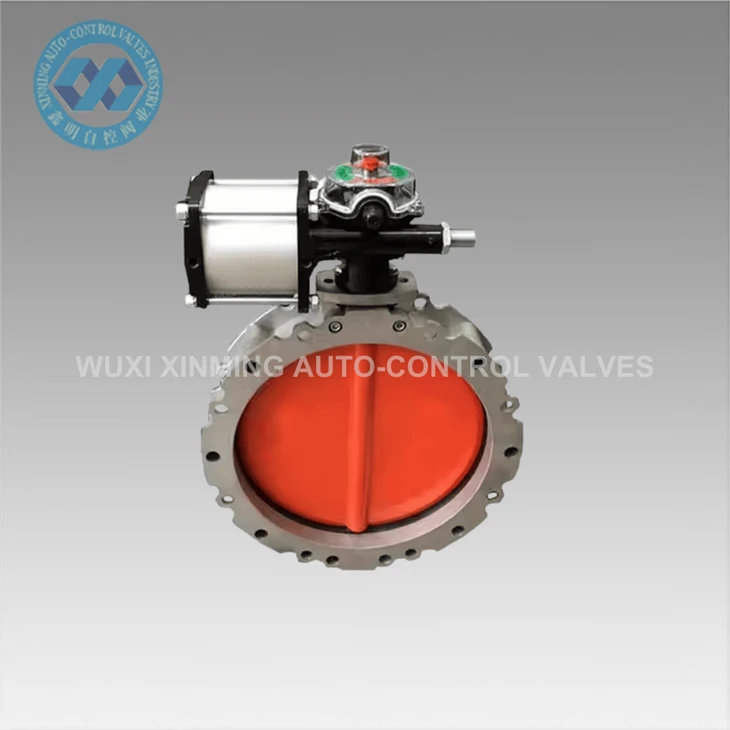
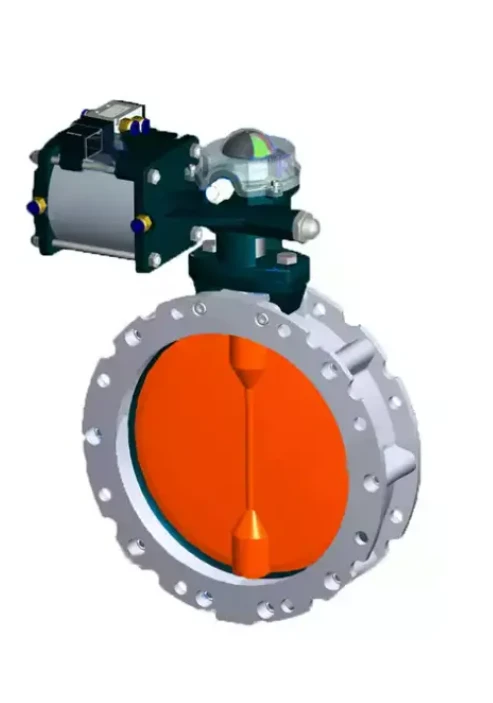
The design of the valve seat can also impact its sealing performance. There are several different types of seat designs available, including concentric, eccentric, and double-eccentric designs. Concentric seats have a simple design and are suitable for applications where the valve is used to control the flow of low-pressure fluids. Eccentric and double-eccentric seats, on the other hand, are designed to provide a better seal and are commonly used in high-pressure applications.
For instance, a double-eccentric butterfly valve seat is designed to reduce the friction between the valve disc and the seat during opening and closing operations. This not only improves the sealing performance but also extends the service life of the valve.
Flow Characteristics
In addition to sealing performance, the valve seat also affects the flow characteristics of the butterfly valve. The shape and size of the seat can influence the flow rate, pressure drop, and turbulence within the valve.
Seat Shape
The shape of the valve seat can have a significant impact on the flow characteristics of the valve. A streamlined seat design can help to reduce turbulence and pressure drop, allowing for a more efficient flow of fluid or gas through the valve. On the other hand, a seat with a sharp edge or irregular shape can cause turbulence and increase the pressure drop, reducing the overall efficiency of the valve.
For example, a butterfly valve with a contoured seat design is often used in applications where a high flow rate and low pressure drop are required. The contoured seat helps to guide the flow of fluid or gas through the valve, minimizing turbulence and pressure losses.
Seat Size
The size of the valve seat also plays a role in determining the flow characteristics of the valve. A larger seat size generally allows for a higher flow rate, but it may also increase the pressure drop across the valve. Conversely, a smaller seat size can reduce the pressure drop but may limit the flow rate.
When selecting a butterfly valve, it is important to consider the specific flow requirements of the application. The valve seat size should be chosen based on the desired flow rate, pressure drop, and other factors to ensure optimal performance.
Durability and Longevity
The valve seat is subjected to significant wear and tear during the operation of the butterfly valve. Therefore, its durability and longevity are important factors to consider. The material of the seat, the operating conditions, and the maintenance practices all influence the lifespan of the valve seat.
Material Durability
As mentioned earlier, the choice of material for the valve seat is crucial for its durability. Materials that are resistant to wear, corrosion, and chemical attack are preferred for applications where the valve is exposed to harsh conditions. For example, in a wastewater treatment plant, a valve seat made of a corrosion-resistant material such as stainless steel or PTFE would be more suitable than a rubber seat.
Operating Conditions
The operating conditions of the butterfly valve can also affect the lifespan of the valve seat. Factors such as temperature, pressure, flow rate, and the presence of abrasive particles in the fluid or gas can all contribute to the wear and tear of the seat. For instance, in a high-temperature application, the valve seat may need to be made of a material that can withstand the elevated temperatures without losing its sealing properties.
Maintenance Practices
Proper maintenance practices can help to extend the lifespan of the valve seat. Regular inspection and cleaning of the valve can help to detect any signs of wear or damage early on and prevent further deterioration. Additionally, lubrication of the valve seat can help to reduce friction and wear, improving its performance and longevity.
Applications and Compatibility
The valve seat must be compatible with the specific application and the fluid or gas being controlled. Different applications may require different types of valve seats to ensure optimal performance and reliability.
Industrial Applications
In industrial applications, such as chemical processing, power generation, and oil and gas production, the valve seat must be able to withstand the harsh operating conditions and the corrosive nature of the fluids or gases being handled. For example, in a chemical plant, a valve seat made of a chemical-resistant material such as PTFE or ceramic may be required to prevent corrosion and ensure long-term reliability.
Water and Wastewater Applications
In water and wastewater applications, the valve seat must be able to provide a reliable seal and resist the effects of water and other contaminants. Elastomeric seats are commonly used in these applications due to their excellent sealing properties and resistance to water and chemicals.
HVAC Applications
In heating, ventilation, and air conditioning (HVAC) applications, the valve seat must be able to control the flow of air or water efficiently. A valve seat with a low friction coefficient and a streamlined design is preferred to minimize pressure drop and improve energy efficiency.
Conclusion
In conclusion, the valve seat of a butterfly valve has a significant impact on its performance, including sealing performance, flow characteristics, durability, and compatibility with different applications. As a butterfly valve supplier, we offer a wide range of valve seats made from different materials and with various designs to meet the specific needs of our customers. Whether you are looking for a High-Performance Pneumatic Dust Butterfly Valve, a High Quality Valve Pneumatic Control Butterfly Valve, or a DN25 Pneumatic Dust Aluminum Butterfly Valve, we have the expertise and products to provide you with the best solution.
If you are interested in learning more about our butterfly valves or would like to discuss your specific requirements, please feel free to contact us. Our team of experts is ready to assist you in selecting the right valve and valve seat for your application.
References
- Smith, J. (2018). Butterfly Valve Handbook. Elsevier.
- Brown, A. (2019). Valve Technology and Applications. McGraw-Hill.
- Johnson, R. (2020). Sealing Technology for Industrial Valves. Wiley.




