Hey there! As a supplier of ceramic ball valves, I've seen my fair share of installation mishaps that lead to valve damage. In this blog, I'm gonna share some tips on how to prevent that from happening.
Preparation is Key
Before you even start the installation process, you need to do some prep work. First off, make sure you've got all the right tools. You'll need things like wrenches, sealants, and gaskets. Having the proper tools on hand will make the installation go a lot smoother and reduce the risk of damage.
Check the valve and all its components for any visible damage. Look for cracks in the ceramic ball or the valve body, and make sure the seals are in good condition. If you notice any issues, don't try to install the valve. Instead, reach out to us, and we'll help you get a replacement.
It's also important to clean the pipeline where the valve will be installed. Any dirt, debris, or rust in the pipeline can cause problems during installation and lead to premature wear and tear on the valve. Use a suitable cleaning agent and a brush to clean the inside of the pipeline thoroughly.
Handling the Valve
Ceramic ball valves are delicate, so you need to handle them with care. When you're moving the valve around, avoid dropping it or banging it against hard surfaces. Even a small impact can cause a crack in the ceramic, which can lead to leaks or complete failure of the valve.
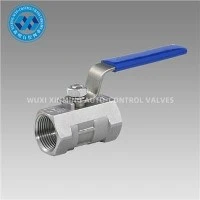
When you're picking up the valve, hold it by the valve body, not the handles or the actuator. The handles and actuators are designed to control the valve, not to support its weight. If you hold the valve by the handles or actuator, you could damage them or cause the valve to shift out of alignment.
Installation Process
Now, let's talk about the actual installation process. First, make sure you've got the valve in the right position. The valve should be installed in the pipeline so that the flow direction is correct. Most ceramic ball valves have an arrow on the valve body indicating the flow direction. Make sure this arrow matches the direction of the flow in the pipeline.
When you're connecting the valve to the pipeline, use the correct type of connection. There are different types of connections available, such as flanged, threaded, and welded connections. Make sure you choose the connection type that is compatible with your pipeline and the valve.
If you're using a flanged connection, make sure the flanges are clean and free of any debris. Place a gasket between the flanges to create a tight seal. Tighten the bolts evenly to avoid over-tightening one side, which can cause the valve to become misaligned.
For threaded connections, use a suitable thread sealant to prevent leaks. Wrap the thread sealant around the threads in the correct direction, and then screw the valve into the pipeline. Don't over-tighten the valve, as this can damage the threads or the valve body.
If you're welding the valve to the pipeline, make sure you follow the proper welding procedures. Welding can generate a lot of heat, which can damage the ceramic components of the valve. Use a heat sink or a cooling method to protect the valve during the welding process.
Actuator Installation
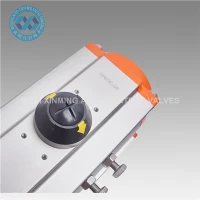
If your ceramic ball valve comes with an actuator, such as an Electrical Ball Valve or a Pneumatic Actuator Y Type Three Way Ball Valve, make sure you install it correctly.
Before installing the actuator, read the manufacturer's instructions carefully. Make sure you understand how the actuator works and how to connect it to the valve.
When you're mounting the actuator to the valve, make sure it is aligned correctly. Use the mounting bolts provided to secure the actuator to the valve. Tighten the bolts evenly to ensure a proper fit.
Connect the actuator to the power source or the control system according to the manufacturer's instructions. Make sure all the connections are secure and that there are no loose wires or hoses.
Testing the Valve
Once you've installed the valve and the actuator, it's time to test the valve. Before you start the system, make sure all the connections are tight and that there are no leaks.
Slowly open and close the valve a few times to make sure it is operating smoothly. Check for any signs of leakage around the valve body, the connections, or the actuator. If you notice any leaks, shut down the system immediately and check the connections.
If the valve is not operating smoothly, there could be a problem with the installation or the actuator. Check the alignment of the valve and the actuator, and make sure all the components are properly installed.
Maintenance and Care
After the valve is installed and tested, it's important to maintain and care for it properly. Regular maintenance can help prevent damage to the valve and extend its lifespan.
Check the valve regularly for any signs of wear and tear, such as leaks, cracks, or corrosion. If you notice any issues, address them immediately.


Keep the valve clean and free of dirt and debris. Use a suitable cleaning agent to clean the valve body and the components.
Lubricate the moving parts of the valve, such as the ball and the stem, according to the manufacturer's recommendations. This will help reduce friction and wear and ensure smooth operation of the valve.
Conclusion
Preventing damage to a ceramic ball valve during installation requires careful preparation, proper handling, and correct installation procedures. By following the tips I've shared in this blog, you can ensure that your ceramic ball valve is installed correctly and operates smoothly for years to come.
If you have any questions or need more information about our ceramic ball valves, or if you're interested in Pneumatic Actuator Jacketed Flange Ball Vavle or other products, feel free to reach out to us. We're here to help you with all your valve needs and look forward to discussing potential purchases with you.
References
- Valve Installation and Maintenance Manuals
- Industry Standards for Valve Installation and Testing