

Hey there! As a solenoid valve supplier, I've seen my fair share of solenoid valve failures over the years. Solenoid valves are used in a wide range of applications, from industrial machinery to home appliances. They're a crucial component in many systems, but like any mechanical device, they can run into problems. In this blog post, I'm gonna talk about some of the common failures of solenoid valves and what you can do to prevent them.
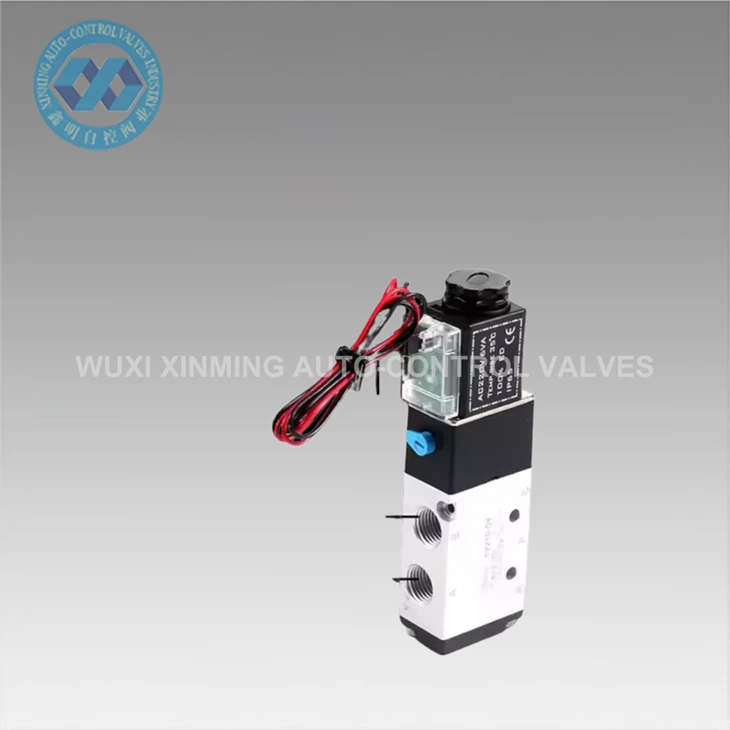

1. Coil Burnout
One of the most common issues with solenoid valves is coil burnout. The coil is the part of the valve that creates the magnetic field to open and close the valve. If the coil overheats, it can burn out, rendering the valve useless. There are several reasons why a coil might burn out.
Firstly, voltage problems can be a major culprit. If the voltage supplied to the coil is too high, it can cause excessive current flow, leading to overheating. On the other hand, if the voltage is too low, the coil might not be able to generate enough magnetic force to operate the valve properly, and it may also overheat due to the extended time it takes to reach the required magnetic field strength.
Secondly, poor ventilation around the coil can also cause overheating. Solenoid valves generate heat during normal operation, and if there's not enough airflow to dissipate this heat, the temperature inside the coil can rise to dangerous levels.
To prevent coil burnout, make sure you're using the correct voltage for the valve. Check the manufacturer's specifications and use a voltage regulator if necessary. Also, ensure that the valve is installed in a well - ventilated area. For a durable solution, you might want to check out our Durable Pneumatic Solenoid Valve, which is designed with proper ventilation in mind to reduce the risk of coil burnout.
2. Contamination
Contamination is another big problem for solenoid valves. Dirt, debris, and other foreign particles can get into the valve and cause it to malfunction. These contaminants can come from the fluid or gas that the valve is controlling, or they can enter the valve during installation or maintenance.
When contaminants enter the valve, they can clog the orifices, preventing the proper flow of fluid or gas. They can also damage the valve seat, causing leaks. In some cases, the contaminants can even get stuck between the moving parts of the valve, preventing it from opening or closing correctly.
To prevent contamination, it's important to use proper filtration systems in the fluid or gas lines. Make sure the filters are regularly cleaned or replaced. During installation, keep the work area clean to avoid introducing dirt into the valve. If you're dealing with a system that's particularly prone to contamination, our YT1000L 4~20mA Electric/pneumatic Valve Positioner can be a great addition. It helps to ensure precise control and can work in tandem with filtration systems to keep the valve operating smoothly.
3. Wear and Tear
Over time, the moving parts of a solenoid valve can experience wear and tear. The valve seat, the plunger, and other components can become worn down due to repeated opening and closing. This can lead to leaks, reduced flow rates, and eventually, complete valve failure.
The rate of wear and tear depends on several factors, such as the frequency of operation, the pressure and temperature of the fluid or gas, and the quality of the valve materials. High - pressure and high - temperature applications tend to cause more wear on the valve components.
To minimize wear and tear, choose a solenoid valve made from high - quality materials. Regular maintenance is also crucial. Inspect the valve periodically for signs of wear and replace any worn parts as soon as possible. Our High - Performance Two - Position Five - Way Pneumatic Solenoid Valve With Electric Coil is built with durable materials to withstand the rigors of continuous operation and reduce the impact of wear and tear.
4. Seal Failure
Seals are an important part of solenoid valves as they prevent leaks. However, seals can fail over time due to several reasons. Exposure to harsh chemicals in the fluid or gas can cause the seals to degrade. High temperatures can also make the seals lose their elasticity, leading to leaks.
Another cause of seal failure is improper installation. If the seals are not installed correctly, they may not form a proper seal, allowing fluid or gas to leak out.
To prevent seal failure, choose seals that are compatible with the fluid or gas that the valve is controlling. Make sure the installation is done according to the manufacturer's instructions. Regularly inspect the seals for signs of damage or degradation and replace them if necessary.
5. Electrical Connection Problems
Faulty electrical connections can also cause solenoid valve failures. Loose wires, corroded terminals, or damaged connectors can disrupt the flow of electricity to the coil, preventing the valve from operating correctly.
Vibrations from the surrounding machinery can cause wires to become loose over time. Exposure to moisture or corrosive substances can corrode the electrical terminals, increasing the resistance and reducing the efficiency of the electrical connection.
To avoid electrical connection problems, ensure that all electrical connections are tight and secure during installation. Use anti - corrosion coatings on the terminals if the valve is installed in a harsh environment. Regularly check the electrical connections for any signs of damage or looseness.
In conclusion, solenoid valve failures can be a real headache, but with proper understanding and preventive measures, you can minimize the risks. As a solenoid valve supplier, we're here to help you find the right solutions for your specific needs. Whether you're looking for a durable valve, a valve positioner, or a high - performance two - position five - way valve, we've got you covered.
If you're interested in learning more about our products or have any questions regarding solenoid valve failures and solutions, don't hesitate to reach out to us. We're happy to assist you in making the right choice for your applications. Contact us today to start a procurement discussion and find the perfect solenoid valve for your system.
References
- "Solenoid Valve Handbook" - A comprehensive guide on solenoid valve operation and maintenance.
- Industry research papers on fluid control systems and solenoid valve performance.




