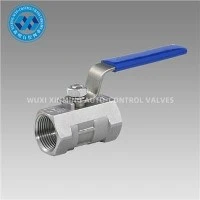
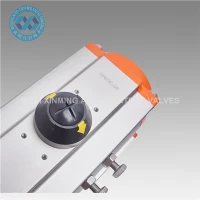
Hey there! I'm a supplier of welded ball valves, and today I'm gonna share with you how to install a welded ball valve in a high - altitude area. Installing a valve in a high - altitude area is a bit different from regular installations, so let's dive right in.
Understanding the Challenges of High - Altitude Installation
First off, high - altitude areas come with their own set of challenges. The air pressure is lower, the temperature can vary wildly, and there's often more exposure to harsh weather conditions. All these factors can affect the installation process and the performance of the welded ball valve.
Lower air pressure means that the boiling point of liquids is lower. When welding the ball valve, this can impact the welding process. The heat transfer and the way the molten metal solidifies are different compared to sea - level conditions. You gotta be extra careful with your welding parameters to ensure a strong and reliable weld.
Temperature variations are another big deal. In high - altitude areas, it can be freezing cold at night and quite warm during the day. These extreme temperature changes can cause the materials of the valve and the piping to expand and contract. If not accounted for during installation, this can lead to leaks or even valve failure over time.
Pre - installation Preparations
Before you start the installation, you need to do a thorough site inspection. Check the area where the valve will be installed for any signs of uneven ground, loose rocks, or other potential hazards. Make sure the piping is properly supported and aligned.
Gather all the necessary tools and materials. You'll need welding equipment, of course, but also things like pipe cutters, wrenches, and measuring tools. And don't forget safety gear like gloves, goggles, and a welding mask.
It's also a good idea to test the welded ball valve before installation. Check for any visible damage, make sure the ball rotates smoothly, and test the sealing performance. This can save you a lot of hassle later on.
Welding the Ball Valve
When it comes to welding the ball valve in a high - altitude area, you need to pay special attention to the welding process. As I mentioned earlier, the lower air pressure affects the welding. You may need to adjust the welding current and voltage to ensure a proper weld.
Clean the welding surfaces thoroughly before starting. Any dirt, grease, or rust can affect the quality of the weld. Use a wire brush or a cleaning solvent to get the surfaces nice and clean.
During the welding process, it's important to maintain a consistent welding speed and angle. This helps to ensure a uniform weld bead and a strong joint. Weld in short sections if possible, and allow the weld to cool properly between each section. This can help reduce the stress on the weld and prevent cracking.
Pipe Connection and Alignment
Once the valve is welded, it's time to connect it to the piping. Make sure the pipes are properly aligned with the valve ports. Any misalignment can cause stress on the valve and lead to leaks.
Use the appropriate gaskets or seals when connecting the pipes to the valve. These gaskets should be made of materials that can withstand the temperature and pressure conditions in the high - altitude area. Tighten the bolts evenly to ensure a proper seal.
Testing the Installation
After the installation is complete, it's crucial to test the valve. Start by doing a visual inspection of the welds and the connections. Look for any signs of cracks, leaks, or other defects.
Then, perform a pressure test. Slowly increase the pressure in the system to the recommended operating pressure and hold it for a certain period. Check for any pressure drops or leaks during the test. If you find any issues, you'll need to address them immediately.
Recommended Products
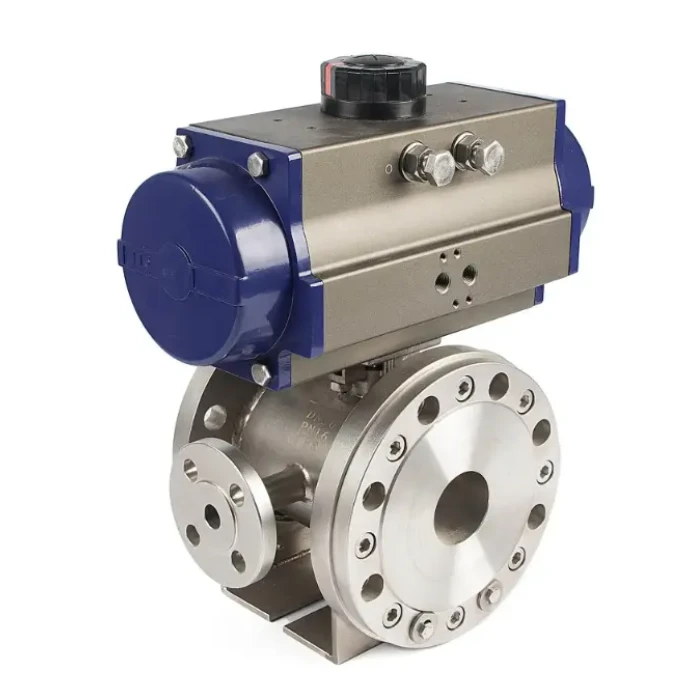
If you're in the market for high - quality welded ball valves, we've got some great options. Check out our Stainless Steel Flanged Floating Jacketed Ball Valve For Investment Casting. It's designed to withstand harsh conditions and provides excellent performance.
We also offer the Explosion - Proof Pneumatic Ball Valve, which is perfect for applications where safety is a top priority. And for a more standard option, our Flanged Stainless Steel Ball Valve is a reliable choice.
Conclusion
Installing a welded ball valve in a high - altitude area can be challenging, but with the right preparations and techniques, it can be done successfully. By understanding the unique challenges of high - altitude environments, properly preparing for the installation, and following the correct procedures, you can ensure a long - lasting and reliable valve installation.
If you're interested in purchasing our welded ball valves or have any questions about the installation process, feel free to reach out. We're here to help you with all your valve needs.
References
- Valve Installation Manuals
- Welding Standards for High - Altitude Applications
- Technical Papers on High - Altitude Engineering