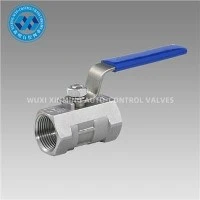
Hey there! I'm a supplier of WCB Butterfly Valves, and today I wanna chat about how these valves can have a big impact on fluid flow rate.
First off, let's get to know what a WCB Butterfly Valve is. The WCB here stands for a type of cast steel material. It's a common choice for valves because it's tough and can handle different working conditions. A butterfly valve itself has a disc that rotates in the pipe to control the flow of fluid. It's like a little gatekeeper inside the pipeline.
How the Valve's Design Affects Flow Rate
The design of the WCB Butterfly Valve plays a huge role in determining the fluid flow rate. The size of the valve, specifically the diameter of the disc, is a key factor. A larger disc can allow more fluid to pass through when it's fully open. Think of it like a door. A bigger door means more people can walk through at once.
The shape of the disc also matters. A well - designed disc can minimize resistance to the fluid flow. When the fluid has to push against a poorly shaped disc, it slows down. Our WCB Butterfly Valves are engineered with optimized disc shapes to ensure smooth and efficient fluid movement.
The way the valve is installed in the pipeline can also affect the flow rate. If it's not installed correctly, it can cause turbulence in the fluid. Turbulence is like a chaotic traffic jam in the pipeline. The fluid starts moving in all directions instead of flowing smoothly, which reduces the overall flow rate.
The Opening Angle and Flow Rate
The opening angle of the WCB Butterfly Valve is directly related to the fluid flow rate. When the valve is fully open (100% opening angle), the fluid can flow through with the least amount of resistance. It's like opening a floodgate. The more the valve opens, the higher the flow rate.
As the valve starts to close, the flow area decreases. This is similar to narrowing a river. The water has less space to flow through, so the flow rate drops. At a small opening angle, say 10 - 20%, the flow rate can be significantly reduced. And it's not a linear relationship. A small change in the opening angle at low openings can cause a big change in the flow rate.
Material and Its Impact
The WCB material of the valve has some unique properties that can affect the fluid flow. WCB is a strong and durable material, but it also has a certain surface roughness. A rougher surface can cause more friction with the fluid. This friction acts like a brake on the fluid, slowing it down and reducing the flow rate.
However, we take steps to minimize this effect. We use advanced manufacturing processes to smooth the inner surfaces of our WCB Butterfly Valves. This reduces the friction and allows the fluid to flow more freely.

Comparing with Other Valves
Let's compare our WCB Butterfly Valves with some other types of valves. For example, ball valves. Ball valves have a spherical disc that rotates to control the flow. They can provide a very tight shut - off, but in terms of flow rate, butterfly valves often have an edge. Butterfly valves can offer a larger flow area for the same pipe size, which means a higher flow rate.
Another type is the gate valve. Gate valves use a flat gate to control the flow. They are great for on - off applications, but they can be slower to operate compared to butterfly valves. And in some cases, the gate can cause more resistance to the fluid flow, resulting in a lower flow rate.
Applications and Flow Rate Requirements
Different applications have different flow rate requirements. In water treatment plants, a high flow rate is often needed to move large volumes of water quickly. Our WCB Butterfly Valves can be a great choice here because they can handle high - volume flows efficiently.
In chemical processing plants, the flow rate needs to be carefully controlled. The ability to adjust the opening angle of the WCB Butterfly Valve precisely makes it suitable for these applications. You can fine - tune the flow rate to meet the specific requirements of the chemical reactions.
Our Product Range
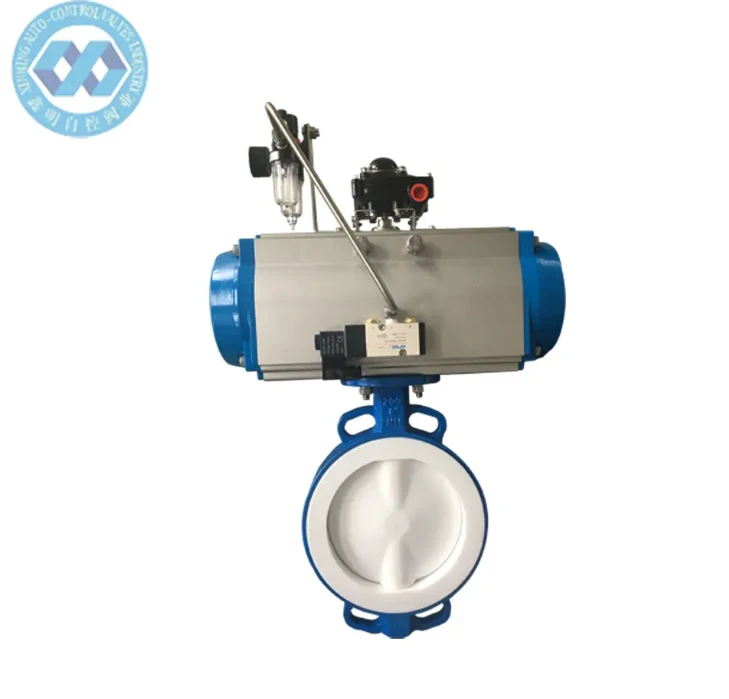
We offer a wide range of WCB Butterfly Valves to meet different needs. If you're interested in valves with special features, check out our Pneumatic Actuator - operated Butterfly And Piston Valves. These valves are operated by pneumatic actuators, which can provide fast and reliable control of the valve opening.
We also have the New Arrival Pneumatic Stainless Steel Wafer Butterfly Valve. This new product combines the advantages of stainless steel and pneumatic operation, and it's designed to be easy to install between flanges.
And for those who need a valve with a metal - to - metal seal, our Butterfly Valve With Metal To Metal is a great option. It provides a tight seal and can handle high - pressure applications.
Conclusion
In conclusion, the WCB Butterfly Valve has a significant impact on the fluid flow rate. Its design, opening angle, material, and installation all play important roles. Whether you need a high - flow valve for large - scale applications or a precisely controllable valve for chemical processes, our WCB Butterfly Valves can meet your needs.
If you're in the market for a reliable valve to control your fluid flow rate, don't hesitate to contact us for more information and to start a procurement discussion. We're here to help you find the perfect valve solution for your specific requirements.
References
- "Valve Handbook" by Butterworth - Heinemann
- "Fluid Mechanics" by Frank M. White