In the world of industrial machinery and automation, manual handwheels play a crucial role. They serve as a reliable backup or primary control method in various applications, offering operators direct control over equipment movement. One of the key performance indicators of a manual handwheel is its vibration resistance. In this blog, as a manual handwheel supplier, I will delve into what vibration resistance of a manual handwheel means, why it is important, and how we ensure our products meet high - vibration resistance standards.
Understanding Vibration Resistance of a Manual Handwheel
Vibration resistance refers to the ability of a manual handwheel to maintain its functionality and structural integrity in environments where vibrations are present. Vibrations can come from multiple sources in industrial settings. For example, heavy machinery in factories, engines in vehicles, or even natural factors like seismic activity in some cases.
When a manual handwheel is exposed to vibrations, several negative effects can occur. Firstly, the precision of the handwheel's operation may be affected. If the handwheel is used for fine - tuning the position of a machine part, vibrations can cause the handwheel to move slightly on its own, leading to inaccurate settings. Secondly, over time, continuous vibrations can cause wear and tear on the internal components of the handwheel. This can result in loosening of parts, increased friction, and eventually, a breakdown of the handwheel.
Importance of Vibration Resistance
The importance of vibration resistance cannot be overstated. In industries such as aerospace, automotive manufacturing, and medical equipment production, precision is of utmost importance. A manual handwheel with poor vibration resistance can lead to faulty products, safety hazards, and costly downtime.
In aerospace applications, for instance, manual handwheels are used in the control systems of aircraft. Even the slightest inaccuracy due to vibration - induced movement can have catastrophic consequences. In automotive manufacturing, handwheels are used in assembly lines to adjust the position of parts. If the handwheel is not vibration - resistant, it can lead to misaligned components, which may affect the performance and safety of the vehicles.

In medical equipment, such as surgical robots, manual handwheels are used for precise positioning. Any deviation caused by vibrations can endanger the patient's life. Therefore, vibration resistance is a critical factor in ensuring the reliability and safety of these industries.
How Our Manual Handwheels Achieve High Vibration Resistance
As a manual handwheel supplier, we take several measures to ensure our products have excellent vibration resistance.
Material Selection
We carefully choose high - quality materials for our handwheels. For the outer shell, we often use materials with high strength and good damping properties, such as certain types of engineering plastics or aluminum alloys. Engineering plastics can absorb a certain amount of vibration energy, reducing the impact on the internal components. Aluminum alloys, on the other hand, offer high strength - to - weight ratios and good corrosion resistance, which is important in harsh industrial environments.
For the internal gears and shafts, we use hardened steel. Hardened steel has high wear resistance and can withstand the stress caused by vibrations. It also maintains its shape and dimensions under continuous vibration, ensuring the precision of the handwheel's operation.
Design and Manufacturing
Our handwheels are designed with a focus on stability. We use a robust internal structure that minimizes the movement of components during vibration. For example, we use precision - machined gears with tight tolerances. This reduces the play between the gears, preventing them from rattling or moving under vibration.
We also pay attention to the mounting mechanism of the handwheel. A secure mounting is essential for vibration resistance. We use advanced mounting techniques, such as keyways and set screws, to ensure the handwheel is firmly attached to the equipment. This reduces the chances of the handwheel vibrating loose from its position.
Testing
Before our manual handwheels are released to the market, they undergo rigorous vibration testing. We use specialized vibration testing equipment to simulate different levels and frequencies of vibrations. The handwheels are tested for a specified period under these conditions, and their performance is closely monitored.
We measure parameters such as the accuracy of the handwheel's movement, the stability of its internal components, and the overall structural integrity. Only handwheels that meet our strict vibration resistance standards are approved for sale.
Our Product Range with High Vibration Resistance
We offer a wide range of manual handwheels with excellent vibration resistance. Some of our popular products include:
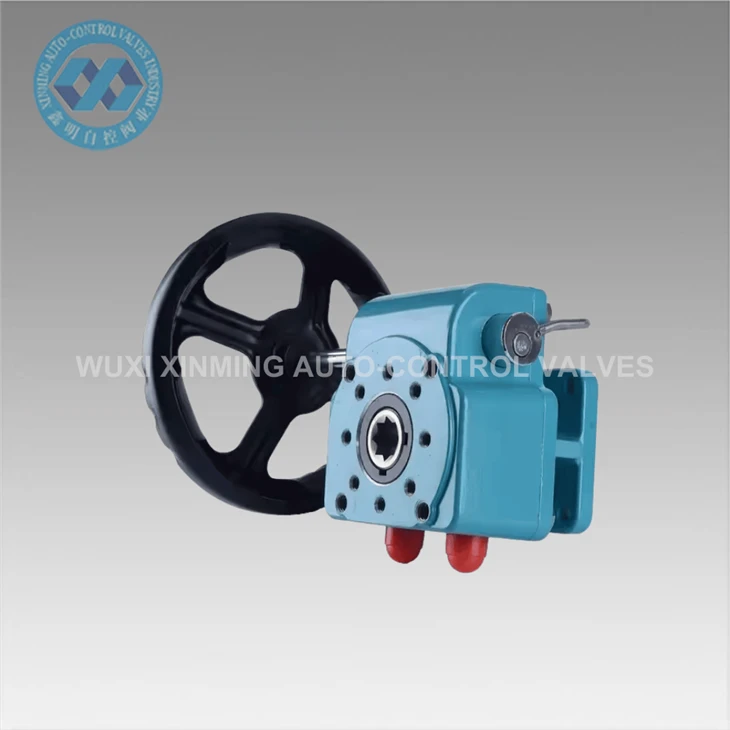
- Emergency Manual Operation Mechanism With Pneumatic Valve Actuator: This product is designed for use in pneumatic valve systems. It is built to withstand high - frequency vibrations commonly found in industrial valve applications. The robust design and high - quality materials ensure reliable operation even in the most challenging environments.
- Detachable Manual Actuator For Pneumatic Actuators: This detachable handwheel is a versatile solution for pneumatic actuators. It can be easily attached and detached as needed. Its vibration - resistant design makes it suitable for use in various industrial settings where vibrations are present.
- Handwheel Air Opens Diaphragm Pneumatic Actuator: This handwheel is specifically designed for diaphragm pneumatic actuators. It offers precise control and high vibration resistance, making it ideal for applications that require accurate positioning and stable operation.
Conclusion
In conclusion, vibration resistance is a critical characteristic of manual handwheels. It ensures the precision, reliability, and safety of equipment in various industries. As a manual handwheel supplier, we are committed to providing high - quality products with excellent vibration resistance. Our focus on material selection, design, manufacturing, and testing allows us to offer handwheels that can withstand the challenges of industrial environments.
If you are in need of manual handwheels with high vibration resistance, we invite you to contact us for procurement and further discussions. We look forward to serving you and meeting your industrial needs.
References
- "Industrial Machinery Handbook": A comprehensive guide on the design and operation of industrial machinery, which provides insights into the importance of vibration resistance in manual handwheels.
- "Aerospace Control Systems Engineering": This book focuses on the requirements and standards for control systems in the aerospace industry, highlighting the significance of precision and vibration resistance in manual handwheels used in aircraft.
- "Automotive Manufacturing Technology": It covers the latest technologies and best practices in automotive manufacturing, including the use of manual handwheels and the impact of vibration on their performance.