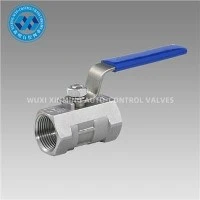
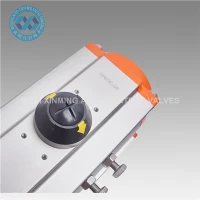
Noise generated during the operation of a vacuum ball valve can be a significant concern in various industrial applications. Excessive noise not only creates an unpleasant working environment but can also indicate potential issues with the valve's performance or installation. As a reliable Vacuum Ball Valve supplier, we understand the importance of addressing this problem effectively. In this blog, we will explore several strategies to reduce the noise of a vacuum ball valve during operation.
Understanding the Sources of Noise in Vacuum Ball Valves
Before delving into the solutions, it's crucial to understand the primary sources of noise in vacuum ball valves. These sources can be broadly categorized into mechanical and fluid - related factors.
Mechanical sources include vibrations caused by loose components, misalignment, or wear and tear of the valve parts. For example, if the valve stem is not properly aligned with the ball, it can cause uneven movement and generate noise. Similarly, worn - out seals or bearings can lead to rattling or squeaking sounds.
Fluid - related sources involve the flow of the medium through the valve. High - velocity fluid flow can create turbulence, which in turn produces noise. Cavitation, a phenomenon where vapor bubbles form and collapse in the fluid, can also be a major source of noise and can cause damage to the valve over time.
Proper Installation and Alignment
One of the most fundamental steps in reducing valve noise is ensuring proper installation and alignment. A misaligned valve can cause uneven stress on the components, leading to increased vibrations and noise.
During installation, make sure that the valve is mounted correctly on the pipeline. The flanges or connections should be tightened evenly to prevent any leaks or misalignment. Use appropriate gaskets and sealing materials to ensure a tight fit. Additionally, check the alignment of the valve stem and the ball to ensure smooth operation.
If possible, use alignment tools to verify the correct positioning of the valve. This can help minimize mechanical vibrations and reduce noise levels. For example, laser alignment tools can provide accurate measurements and ensure that the valve is perfectly aligned with the pipeline.
Selecting the Right Valve Design
The design of the vacuum ball valve can have a significant impact on its noise level. When choosing a valve, consider factors such as the flow path, ball design, and the type of seat material.
A valve with a streamlined flow path can reduce turbulence and minimize noise. For instance, a full - port ball valve allows for a more unrestricted flow of the medium, reducing the chances of cavitation and noise generation.
The ball design also plays a role. A trunnion - mounted ball valve, which has additional support at the top and bottom of the ball, can provide more stable operation and reduce vibrations compared to a floating ball valve.
In terms of seat material, choosing a soft - seated valve can help dampen vibrations and reduce noise. Soft seats, such as those made of PTFE or other elastomers, can absorb some of the energy generated during valve operation. However, for applications where high - temperature or high - pressure resistance is required, Metal-to-metal Ball Valve may be a better choice. Although they may generate more noise compared to soft - seated valves, proper design and installation can still help minimize the noise.
Controlling Fluid Flow
Controlling the fluid flow through the valve is another effective way to reduce noise. High - velocity fluid flow can create significant turbulence and noise. By adjusting the flow rate, you can reduce the chances of cavitation and noise generation.
One way to control the flow is by using a flow control valve upstream of the vacuum ball valve. This can help regulate the flow rate and ensure that it remains within the optimal range for the valve's operation.
Another approach is to use a diffuser or a flow straightener. These devices can help smooth out the fluid flow and reduce turbulence. A diffuser can expand the fluid flow, reducing its velocity and pressure, while a flow straightener can align the fluid particles in a more orderly manner.
Maintenance and Lubrication
Regular maintenance is essential for keeping the vacuum ball valve in good working condition and reducing noise. Over time, valve components can wear out, leading to increased vibrations and noise.
Inspect the valve regularly for signs of wear, such as scratches on the ball or seat, or loose components. Replace any worn - out parts promptly to prevent further damage and noise generation.
Lubrication is also important, especially for valves with moving parts. Applying the appropriate lubricant to the valve stem, bearings, and other moving components can reduce friction and noise. However, make sure to use a lubricant that is compatible with the valve materials and the medium being handled.


Using Noise - Dampening Materials
In some cases, using noise - dampening materials can help reduce the noise transmitted from the valve to the surrounding environment. For example, wrapping the valve with acoustic insulation material can absorb some of the sound waves and reduce the noise level.
You can also install a noise - dampening enclosure around the valve. This can be particularly useful in applications where the valve is located in a sensitive area, such as near an office or a residential area. The enclosure should be designed to fit the valve properly and should have good acoustic properties.
Conclusion
Reducing the noise of a vacuum ball valve during operation requires a comprehensive approach that addresses the various sources of noise. By ensuring proper installation and alignment, selecting the right valve design, controlling fluid flow, performing regular maintenance, and using noise - dampening materials, you can effectively minimize the noise generated by the valve.
As a Vacuum Ball Valve supplier, we offer a wide range of high - quality valves, including Pneumatic Stainless Steel 3 Way Ball Valve and 3 Way Ball Valve With Pneumatic Actuator, that are designed to operate quietly and efficiently. If you are facing noise issues with your vacuum ball valve or are looking for a new valve solution, we are here to help. Contact us to discuss your specific requirements and let us assist you in finding the best valve for your application.
References
- Valve Handbook, 4th Edition, by J. S. Tuzson
- Industrial Valves: Selection and Sizing, by R. W. Miller
- Fluid Mechanics, by Frank M. White