As a trusted thread ball valve supplier, ensuring the proper functioning of our products is of utmost importance. Thread ball valves are widely used in various industries for controlling the flow of liquids and gases. In this blog, I will share some effective methods on how to check if a thread ball valve is working properly.
Visual Inspection
The first step in checking a thread ball valve is a thorough visual inspection. Start by examining the valve body for any signs of damage, such as cracks, dents, or corrosion. These issues can compromise the integrity of the valve and lead to leaks or improper operation. Check the threads on both the valve and the piping connections to ensure they are in good condition. Damaged threads can prevent a proper seal, resulting in leaks.
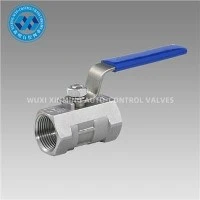
Inspect the handle or actuator of the valve. It should move smoothly without any excessive resistance or play. If the handle is difficult to turn or feels loose, it could indicate a problem with the valve's internal components. Look for any signs of wear or damage on the handle, such as scratches or chips.
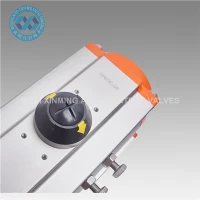
Check the valve's position indicator. A properly functioning thread ball valve should have a clear and accurate position indicator that shows whether the valve is open or closed. If the position indicator is not working correctly, it can lead to confusion and potential operational errors.
Pressure Testing
Pressure testing is an essential step in determining the proper functioning of a thread ball valve. This test helps to identify any leaks or pressure drops that may indicate a problem with the valve.
To perform a pressure test, first, isolate the valve from the system by closing the upstream and downstream valves. Then, connect a pressure gauge to the valve's inlet or outlet port. Slowly increase the pressure in the system to the recommended operating pressure of the valve. Monitor the pressure gauge for any sudden drops or fluctuations.
If the pressure drops significantly, it could indicate a leak in the valve. Check all the connections and seals for any signs of leakage. If a leak is detected, tighten the connections or replace the seals as necessary.

Once the pressure has stabilized, hold it for a specified period, usually a few minutes. Observe the valve for any signs of movement or vibration. Excessive movement or vibration can indicate a problem with the valve's internal components or the piping system.
Flow Testing
Flow testing is another important method for checking the proper functioning of a thread ball valve. This test helps to ensure that the valve can effectively control the flow of fluids through the system.
To perform a flow test, open the valve fully and allow the fluid to flow through the system. Measure the flow rate using a flow meter or other appropriate measuring device. Compare the measured flow rate with the expected flow rate based on the valve's specifications.
If the measured flow rate is significantly lower than the expected flow rate, it could indicate a problem with the valve. Check the valve's internal components, such as the ball and seat, for any signs of damage or blockage. Clean or replace the damaged components as necessary.
Close the valve and check for any leakage. A properly functioning thread ball valve should be able to stop the flow of fluid completely when closed. If there is any leakage, it could indicate a problem with the valve's sealing mechanism.
Operational Testing
Operational testing involves operating the valve through its full range of motion to ensure that it functions smoothly and reliably. This test helps to identify any issues with the valve's internal components or the actuator.
To perform an operational test, open and close the valve several times using the handle or actuator. Pay attention to the ease of operation and the smoothness of the movement. The valve should open and close without any excessive force or resistance.
Check the valve's position indicator during the operational test to ensure that it accurately reflects the position of the valve. If the position indicator is not working correctly, it can lead to confusion and potential operational errors.
If the valve is equipped with an actuator, test the actuator's functionality. Check the actuator's power supply and control signals to ensure that they are working properly. Operate the actuator through its full range of motion to ensure that it can open and close the valve smoothly and reliably.

Maintenance and Lubrication
Regular maintenance and lubrication are essential for ensuring the proper functioning of a thread ball valve. Over time, the valve's internal components can wear out or become dirty, which can affect its performance.
Follow the manufacturer's recommendations for maintenance and lubrication. This may include cleaning the valve, replacing worn-out components, and lubricating the moving parts. Use the recommended lubricants and cleaning agents to ensure the longevity and performance of the valve.
Keep a record of the maintenance and lubrication activities performed on the valve. This will help you to track the valve's performance over time and identify any potential issues before they become major problems.
Conclusion
Checking the proper functioning of a thread ball valve is crucial for ensuring the safety and efficiency of your industrial processes. By following the methods outlined in this blog, you can effectively identify and address any issues with your thread ball valves.
As a thread ball valve supplier, we are committed to providing high-quality products and excellent customer service. If you have any questions or need further assistance with checking the proper functioning of your thread ball valves, please do not hesitate to contact us. We are here to help you ensure the optimal performance of your valves.
For more information about our thread ball valves, you can visit the following links:
- Pneumatic Thread Ball Valves For Industrial Flow Control
- Intelligent-driven Double-acting Pneumatic Plastic Actuator Ball Valve For Precise Opening Control.
- Pneumatic Actuator Three Way Stainless Steel Ball Valve
If you are interested in purchasing our thread ball valves or have any other inquiries, please contact us for a detailed discussion and quotation. We look forward to working with you.
References
- Valve Handbook, Daniel W. Plummer
- Industrial Valves: Selection and Sizing, James E. Duffy