As a supplier of Vacuum Ball Valves, ensuring the tightness of these valves is of utmost importance. A vacuum ball valve is a critical component in many industrial processes, especially those that require a high - level of vacuum integrity. In this blog, I will share some key strategies and considerations on how to ensure the tightness of a vacuum ball valve.
Understanding the Basics of Vacuum Ball Valves
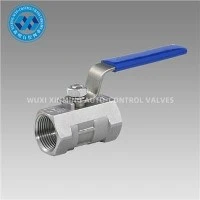
Before delving into the methods of ensuring tightness, it's essential to understand what a vacuum ball valve is. A Vacuum Ball Valve is a type of quarter - turn valve that uses a hollow, perforated, and pivoting ball to control the flow of media. In a vacuum application, the valve must prevent air or other gases from leaking into the system, maintaining the desired vacuum level.
The main components of a vacuum ball valve include the valve body, the ball, the seats, and the stem. The valve body houses all the internal components and provides the connection points to the piping system. The ball is the control element, and the seats are the sealing surfaces that come into contact with the ball to prevent leakage. The stem is used to rotate the ball.
Material Selection
One of the first steps in ensuring the tightness of a vacuum ball valve is proper material selection. The materials used for the valve body, ball, and seats must be compatible with the process media and the operating conditions.
- Valve Body: For vacuum applications, materials such as stainless steel are commonly used. Stainless steel has excellent corrosion resistance and can withstand the low - pressure environment of a vacuum system. It also provides good mechanical strength, which is important for maintaining the structural integrity of the valve.
- Ball: The ball is typically made of the same or a similar material as the valve body. In addition to stainless steel, other materials like ceramic can be used for the ball in applications where high - temperature or high - wear resistance is required.
- Seats: The seats are the critical sealing components of the valve. Materials for seats include PTFE (Polytetrafluoroethylene) and other elastomers. PTFE is a popular choice because of its low friction coefficient, chemical resistance, and good sealing properties. However, it has limitations in high - temperature applications. For high - temperature vacuum applications, metal seats may be used.
Precision Manufacturing
Precision manufacturing is crucial for achieving a tight - sealing vacuum ball valve.
- Machining Tolerances: The valve body, ball, and seats must be machined to very tight tolerances. Any deviation from the specified dimensions can lead to leakage. For example, if the ball is not perfectly spherical or if the seats have irregular surfaces, the sealing contact between the ball and the seats will be compromised.
- Surface Finish: A smooth surface finish is essential for both the ball and the seats. Rough surfaces can create microscopic gaps that allow gas to leak through. High - quality machining processes should be used to achieve a mirror - like finish on the sealing surfaces.
Assembly and Installation
Proper assembly and installation are also key factors in ensuring the tightness of a vacuum ball valve.
- Assembly: During assembly, all components must be cleaned thoroughly to remove any debris or contaminants. The ball and seats should be installed carefully to ensure proper alignment. Any misalignment can cause uneven sealing pressure and lead to leakage. Additionally, the stem should be installed correctly to ensure smooth rotation of the ball.
- Installation: When installing the vacuum ball valve in the piping system, it is important to follow the manufacturer's instructions. The valve should be installed in the correct orientation, and the piping connections should be tightened evenly. Over - tightening or under - tightening the connections can cause stress on the valve body and lead to leakage.
Testing and Quality Control
Testing is an essential part of ensuring the tightness of a vacuum ball valve.
- Pressure Testing: Before the valve is shipped to the customer, it should undergo pressure testing. This involves subjecting the valve to a specified pressure and checking for any leakage. There are different types of pressure tests, such as hydrostatic testing (using water) and pneumatic testing (using air or gas). For vacuum ball valves, pneumatic testing is often more appropriate as it simulates the actual operating conditions more closely.
- Helium Mass Spectrometer Leak Detection: This is a highly sensitive method for detecting very small leaks. Helium is used as a tracer gas because it can easily penetrate small gaps. The valve is placed in a test chamber, and helium is introduced on one side of the valve. A mass spectrometer is then used to detect any helium that leaks through the valve. This method can detect leaks as small as 10^-9 mbar·L/s.
Maintenance and Monitoring
Once the vacuum ball valve is installed and in operation, regular maintenance and monitoring are necessary to ensure its long - term tightness.
- Lubrication: If the valve has moving parts, such as the stem, proper lubrication is required to ensure smooth operation and prevent wear. The lubricant used should be compatible with the valve materials and the process media.
- Seal Replacement: Over time, the seats and seals of the valve may wear out. Regular inspection should be carried out to check the condition of the seals. If any signs of wear or damage are detected, the seals should be replaced promptly.
- Monitoring Vacuum Levels: Monitoring the vacuum levels in the system can provide an indication of the valve's tightness. A sudden drop in the vacuum level may indicate a leak in the valve or elsewhere in the system.
Complementary Valve Products
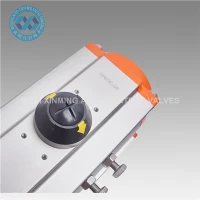
In some applications, complementary valve products can be used in conjunction with vacuum ball valves to enhance system performance. For example, Pneumatic Ball Valve With Internal Thread can be used in systems where automated control is required. These valves can be easily integrated into a pneumatic control system, allowing for precise and remote operation.
Another option is the Pneumatic threaded ball valve, which is suitable for high - temperature applications. The threaded design provides a secure connection, and the pneumatic actuator allows for quick and reliable operation even in harsh environments.


Conclusion
Ensuring the tightness of a vacuum ball valve is a multi - step process that involves proper material selection, precision manufacturing, careful assembly and installation, thorough testing, and regular maintenance. By following these guidelines, you can ensure that your vacuum ball valve provides reliable and leak - free operation.
If you are in need of high - quality vacuum ball valves or have any questions about valve tightness and performance, I encourage you to contact us for further discussion and procurement. Our team of experts is ready to assist you in finding the best valve solutions for your specific applications.
References
- Valve Handbook, 4th Edition, by J. H. Perry
- Vacuum Technology: A Practical Guide, by A. Roth
- ASME B16.34 - 2017, Valves - Flanged, Threaded, and Welding End