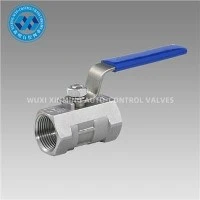
The price range of welded ball valves can vary significantly depending on several factors. As a welded ball valve supplier, I've had the opportunity to deal with a wide variety of customers and projects, which has given me in - depth insights into the price determinants of these essential industrial components.
Key Factors Affecting the Price
1. Size
One of the most obvious factors influencing the price of welded ball valves is their size. Smaller welded ball valves, typically with diameters of 1/2 inch to 2 inches, are generally more affordable. These are often used in domestic applications, small - scale industrial processes, or in low - flow systems. Their lower material requirements and simpler manufacturing processes contribute to their relatively lower cost. For example, a basic 1 - inch welded ball valve may cost anywhere from $50 to $200, depending on the material and additional features.
On the other hand, larger welded ball valves, with diameters of 6 inches or more, can be extremely expensive. The increased amount of raw materials needed, such as high - grade steel or other alloys, along with more complex manufacturing and testing procedures, drive up the cost. A large - scale 12 - inch welded ball valve used in major pipeline projects can cost several thousand dollars, sometimes reaching upwards of $10,000.
2. Material
The choice of material is another crucial factor in determining the price. Welded ball valves can be made from a variety of materials, each with its own cost implications.
- Carbon Steel: Carbon steel is one of the most commonly used materials for welded ball valves due to its relatively low cost and good mechanical properties. It is suitable for many general - purpose applications where corrosion resistance is not a major concern. A carbon steel welded ball valve can range from $80 to $500 for smaller sizes, while larger carbon steel valves may cost between $1,000 and $5,000.
- Stainless Steel: Stainless steel offers better corrosion resistance than carbon steel, making it ideal for applications in harsh environments, such as chemical processing plants or marine settings. However, the higher cost of stainless steel raw materials and the more involved manufacturing processes result in a higher price. A small stainless steel welded ball valve can cost around $150 to $300, and larger ones can cost $2,000 to $8,000.
- Alloy Materials: For extremely corrosive or high - temperature applications, alloy materials like Hastelloy or Inconel may be used. These materials are very expensive due to their unique properties and limited availability. A welded ball valve made from these alloys can cost tens of thousands of dollars, especially for larger sizes.
3. Pressure Rating
The pressure rating of a welded ball valve also affects its price. Valves designed to handle high pressures require more robust construction and higher - quality materials. A low - pressure welded ball valve, suitable for systems with pressures up to 150 psi, may be relatively inexpensive, with prices starting from around $60 for small sizes.
However, high - pressure welded ball valves, capable of withstanding pressures of 1500 psi or more, are much more expensive. The additional engineering, stronger materials, and rigorous testing required to ensure safety and reliability at high pressures contribute to the increased cost. A high - pressure welded ball valve can cost several times more than a low - pressure one, with prices ranging from $500 to over $10,000 depending on size and material.
4. End Connection Type
The type of end connection on a welded ball valve can also impact the price. There are several common end connection types, including butt - weld, socket - weld, and flanged connections.
- Butt - Weld Connections: Butt - weld connections are often used for permanent installations in pipelines. They require precise welding techniques and proper alignment, which can add to the manufacturing cost. However, they provide a strong and leak - tight connection. A welded ball valve with butt - weld connections may cost slightly more than one with other connection types, typically an additional 10% - 20% of the base price.
- Socket - Weld Connections: Socket - weld connections are easier to install than butt - weld connections and are suitable for smaller - diameter pipes. They are generally less expensive than butt - weld connections, but still more costly than some other types.
- Flanged Connections: Flanged connections offer the advantage of easy installation and removal, which is useful for maintenance or system modifications. However, the flanges themselves add to the cost of the valve. A welded ball valve with flanged connections can be 20% - 30% more expensive than a similar valve with simpler end connections.
5. Special Features and Accessories
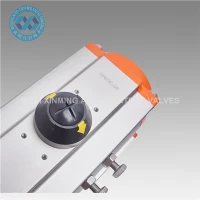
Some welded ball valves come with special features or accessories that can significantly increase the price. For example, valves with electric or Pneumatic Actuator 3PC Thread Ball Valve are more expensive than manually operated ones. The actuator allows for remote or automated control of the valve, which is beneficial in large - scale industrial processes or applications where quick response times are required.
Other special features, such as anti - static devices, fire - safe designs, or special coatings for enhanced corrosion resistance, can also add to the cost. A welded ball valve with a high - quality pneumatic actuator can cost an additional $500 to $2,000 on top of the base valve price, depending on the size and complexity of the actuator.
Market Trends and Price Fluctuations
The price of welded ball valves is also influenced by market trends and economic factors. Fluctuations in the prices of raw materials, such as steel and alloys, can have a direct impact on the cost of manufacturing welded ball valves. For example, if there is a sudden increase in the price of stainless steel due to supply shortages or increased demand from other industries, the price of stainless steel welded ball valves will likely rise as well.
Global economic conditions, such as inflation, exchange rate fluctuations, and changes in trade policies, can also affect the price of welded ball valves. For instance, if a country imposes tariffs on imported steel, the cost of manufacturing welded ball valves using imported steel will increase, leading to higher prices for consumers.
Price Ranges in Different Applications
1. Domestic Applications
In domestic applications, such as residential plumbing or small - scale water supply systems, welded ball valves are typically smaller in size and made from more affordable materials like carbon steel. The price range for these valves is relatively low, usually between $50 and $300. These valves are often used for shut - off purposes in water pipes or for controlling the flow of natural gas in some cases.
2. Industrial Applications
In industrial settings, the price range is much broader. For small - scale industrial processes, such as in food and beverage manufacturing or small - scale chemical plants, welded ball valves with diameters of 2 to 4 inches and made from carbon steel or stainless steel may cost between $200 and $2,000.
For large - scale industrial projects, such as oil and gas pipelines, power plants, or major chemical processing facilities, the cost of welded ball valves can be very high. Large - diameter, high - pressure, and corrosion - resistant valves used in these projects can cost from $5,000 to over $20,000, depending on the specific requirements.
3. Marine Applications
Marine applications require welded ball valves with high corrosion resistance due to the harsh salt - water environment. Stainless steel or alloy - made valves are commonly used in these settings. The price of welded ball valves for marine applications can range from $500 to $10,000, depending on size, pressure rating, and additional features.


Conclusion
As a welded ball valve supplier, I understand that customers are always looking for the best - value products. The price range of welded ball valves is wide, starting from as low as $50 for small, basic valves in domestic applications to tens of thousands of dollars for large, high - performance valves in industrial and marine projects. When choosing a welded ball valve, it is important to consider not only the price but also the quality, performance, and suitability for the specific application.
If you are in the market for welded ball valves, whether it's a 3PC Thread Ball Valve for a small project or a Segment Control Valve With Pneumatic Actuator for a large - scale industrial process, I encourage you to contact me for detailed information and a competitive quote. We can discuss your specific requirements and help you find the most cost - effective solution for your needs.
References
- Valve Manufacturers Association Publications
- Industrial Valves Handbook
- Engineering Journals on Fluid Control Systems