Hey there! As a supplier of ceramic ball valves, I often get asked about the operating temperature range of these valves. So, I thought I'd write this blog to share all the details with you.
First off, let's understand what ceramic ball valves are. They're super cool valves that use ceramic materials for their balls and seats. Ceramics are known for their hardness, wear - resistance, and chemical stability. These properties make ceramic ball valves a top choice in many industries, like chemical processing, power generation, and water treatment.
Now, the operating temperature range of ceramic ball valves can vary quite a bit depending on a few factors. The type of ceramic material used is a major one. There are different kinds of ceramics, such as alumina, zirconia, and silicon carbide. Each has its own unique temperature - handling capabilities.
Alumina ceramic ball valves are pretty common. They can usually handle temperatures from about - 20°C to 500°C. This wide range makes them suitable for a lot of general - purpose applications. For example, in some industrial water systems where the temperature doesn't get too extreme, alumina ceramic ball valves work just fine. They can withstand the normal wear and tear that comes with regular use at these temperatures.
Zirconia ceramic ball valves, on the other hand, are a bit more high - performance when it comes to temperature. They can operate in a range from around - 40°C to 800°C. This is because zirconia has better thermal shock resistance compared to alumina. In applications where there might be sudden temperature changes, like in some chemical reactors, zirconia ceramic ball valves are a great option. They can handle the stress that comes with these rapid temperature shifts without cracking or failing.
Silicon carbide ceramic ball valves are the heavy - hitters when it comes to high - temperature applications. They can operate at temperatures up to 1600°C. That's seriously hot! Industries like metal smelting and glass manufacturing often use silicon carbide ceramic ball valves because they need valves that can withstand the extreme heat. These valves are designed to maintain their integrity even in the most challenging high - temperature environments.
But it's not just about the type of ceramic. The design of the valve also plays a role in determining the operating temperature range. A well - designed valve with proper insulation and heat - dissipation features can handle a wider temperature range than a poorly designed one. For instance, if a valve has a good heat - transfer mechanism, it can prevent overheating in high - temperature applications.
Another factor is the sealing materials used in the valve. The seals need to be able to withstand the same temperature range as the rest of the valve. If the seals fail due to high or low temperatures, the valve won't work properly. So, when choosing a ceramic ball valve, it's important to make sure that the sealing materials are compatible with the expected operating temperature.
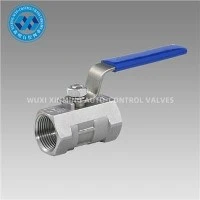
Now, let me tell you about some of the products we offer. We have a Manual 1pc Thread Ball Valve which is a great option for applications where you need manual control. It's made with high - quality alumina ceramic and can handle temperatures in the normal range we talked about earlier. It's easy to install and operate, making it a popular choice for small - scale industrial and commercial applications.
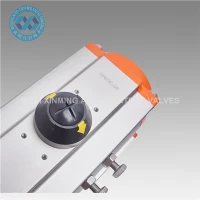
If you're looking for something more advanced, our Intelligent - driven Double - acting Pneumatic Plastic Actuator Ball Valve For Precise Opening Control is a top - notch product. It uses zirconia ceramic and is designed for precise control in applications where temperature changes can be a bit more extreme. The intelligent drive system allows for accurate opening and closing, even at different temperatures.


And for those who need a valve with internal thread and pneumatic operation, our Pneumatic Ball Valve With Internal Thread is a great pick. It's suitable for a variety of industries and can handle a wide range of temperatures depending on the ceramic material used.
So, why should you choose our ceramic ball valves? Well, we've been in the business for a long time, and we know what it takes to make high - quality valves. We use the best ceramic materials and the latest manufacturing techniques to ensure that our valves are reliable and long - lasting. Our valves are also tested rigorously to make sure they can handle the specified temperature ranges.
If you're in the market for ceramic ball valves and want to learn more about which valve is right for your specific application, don't hesitate to reach out. We're here to help you find the perfect valve that meets your temperature requirements and other needs. Whether you're a small business or a large industrial company, we can provide you with the right solution.
In conclusion, the operating temperature range of ceramic ball valves depends on the type of ceramic, valve design, and sealing materials. By understanding these factors, you can make an informed decision when choosing a ceramic ball valve for your application. And remember, we're your go - to supplier for high - quality ceramic ball valves. Contact us today to start the procurement process and let's work together to find the best valve for you.
References
- Ceramic Materials Handbook, 2nd Edition
- Industrial Valve Design and Application Guide