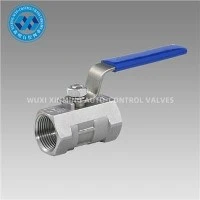
Flange ball valves are essential components in various industrial systems, offering reliable shut-off and flow control. However, like any mechanical device, they can experience malfunctions that disrupt operations and lead to costly downtime. As a leading flange ball valve supplier, we understand the importance of identifying and addressing these issues promptly. In this blog post, we'll explore the common causes of flange ball valve malfunctions and provide insights on how to prevent them.
1. Wear and Tear
One of the most prevalent causes of flange ball valve malfunctions is wear and tear. Over time, the constant movement of the ball and the seat can cause friction, leading to erosion and damage. This is particularly true in applications where the valve is frequently opened and closed or where the fluid being controlled contains abrasive particles.
The ball and seat are the critical sealing components of the valve. As they wear, the seal integrity is compromised, resulting in leakage. Leakage not only wastes valuable resources but can also pose safety risks, especially in systems handling hazardous materials.
To mitigate the effects of wear and tear, it's essential to choose high-quality materials for the ball and seat. For example, in applications where the fluid is abrasive, using a valve with a hardened ball and a seat made of a wear-resistant material can significantly extend the valve's lifespan. Additionally, regular maintenance and inspection can help detect early signs of wear and allow for timely replacement of worn parts.
2. Improper Installation
Improper installation is another common cause of flange ball valve malfunctions. If the valve is not installed correctly, it can lead to misalignment, which can cause excessive stress on the valve components and result in premature failure.
During installation, it's crucial to ensure that the valve is properly aligned with the pipeline. Misalignment can cause the valve to bind or not fully close, leading to leakage. Additionally, the bolts used to secure the flange connections must be tightened to the correct torque specification. Over-tightening can damage the flange or the gasket, while under-tightening can result in a loose connection and leakage.
Another aspect of proper installation is ensuring that the valve is installed in the correct orientation. Some flange ball valves are designed to be installed in a specific direction, and installing them incorrectly can affect their performance. For example, in a three-way ball valve, the flow path is determined by the position of the ball, and installing the valve in the wrong orientation can disrupt the intended flow pattern.
3. Contamination
Contamination of the fluid being controlled can also cause flange ball valve malfunctions. Particles, debris, or chemicals in the fluid can accumulate on the ball and seat, preventing them from forming a proper seal. This can lead to leakage and reduced valve performance.
In some industrial applications, the fluid may contain dirt, sand, or other solid particles. These particles can scratch the surface of the ball and seat, causing damage and reducing the seal integrity. Chemical contaminants can also react with the valve materials, causing corrosion and degradation.


To prevent contamination-related malfunctions, it's important to use appropriate filtration systems upstream of the valve. Filtration can remove solid particles from the fluid, reducing the risk of damage to the valve components. Additionally, in applications where the fluid contains chemicals, choosing a valve made of materials that are resistant to chemical corrosion is crucial.
4. Actuator Issues
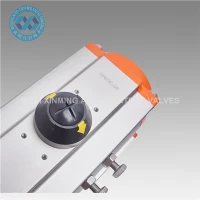
Many flange ball valves are equipped with actuators to automate the opening and closing process. Actuator issues can cause the valve to malfunction, preventing it from operating correctly.
Pneumatic actuators are commonly used in flange ball valves. Problems with the pneumatic system, such as air leaks, clogged filters, or malfunctioning solenoid valves, can affect the actuator's performance. For example, an air leak in the pneumatic line can result in insufficient pressure to operate the actuator, causing the valve to fail to open or close fully.
Electric actuators also have their own set of potential issues. Electrical problems, such as faulty wiring, blown fuses, or malfunctioning motors, can prevent the actuator from functioning properly. Additionally, if the actuator is not properly calibrated, it may not position the valve correctly, leading to leakage or improper flow control.
Regular maintenance of the actuator is essential to prevent these issues. This includes checking for air leaks in pneumatic actuators, cleaning or replacing filters, and inspecting the electrical components in electric actuators. Calibration of the actuator should also be performed periodically to ensure accurate valve positioning.
5. Temperature and Pressure Extremes
Flange ball valves are designed to operate within specific temperature and pressure ranges. Exposure to extreme temperatures or pressures can cause the valve materials to expand or contract, leading to dimensional changes and potential malfunctions.
High temperatures can cause the valve materials to soften, reducing their strength and wear resistance. This can lead to deformation of the ball and seat, resulting in leakage. Low temperatures, on the other hand, can cause the materials to become brittle, increasing the risk of cracking.
Similarly, excessive pressure can put stress on the valve components, causing them to fail. If the pressure exceeds the valve's rated pressure, it can cause the valve body to rupture or the seals to fail.
When selecting a flange ball valve, it's important to choose a valve that is rated for the specific temperature and pressure conditions of the application. Additionally, in applications where extreme temperatures or pressures are expected, additional protective measures, such as insulation or pressure relief valves, may be required.
Prevention and Solutions
To prevent flange ball valve malfunctions, it's important to take a proactive approach. This includes proper valve selection, correct installation, regular maintenance, and monitoring of the valve's performance.
When choosing a flange ball valve, consider the specific requirements of the application, such as the fluid properties, temperature, pressure, and flow rate. Select a valve made of high-quality materials that are suitable for the application. For example, if you're looking for a reliable valve for a specific application, you might consider our Pneumatic Actuated Three-Way Stainless Steel Ball Valve, Segment Control Valve With Pneumatic Actuator, or Pneumatic Stainless Steel 3 Way Ball Valve.
Proper installation is crucial for the long-term performance of the valve. Follow the manufacturer's installation instructions carefully, and ensure that the valve is correctly aligned and tightened.
Regular maintenance is essential to detect and address potential issues before they become major problems. This includes inspecting the valve for signs of wear, leakage, or damage, and replacing worn parts as needed.
Monitoring the valve's performance can also help identify early signs of malfunction. This can be done through the use of sensors or by observing the valve's operation during normal use. If any abnormalities are detected, take immediate action to address the issue.
In conclusion, understanding the common causes of flange ball valve malfunctions is essential for ensuring the reliable operation of industrial systems. By taking proactive measures to prevent these issues, you can extend the lifespan of your valves and reduce the risk of costly downtime. If you have any questions or need assistance with selecting or maintaining a flange ball valve, please don't hesitate to contact us. We're here to help you find the best solutions for your specific needs.
References
- Valve Handbook, 4th Edition, by J. F. Mathes.
- Industrial Valves: Selection and Sizing, by A. K. Sinha.