As a supplier of limit switch boxes, I've witnessed firsthand the diverse needs of industries that rely on these crucial components. Limit switch boxes are essential in various applications, from industrial automation to safety systems. They serve as the guardians of machinery, ensuring that operations stay within predefined limits. However, the standard functionality of a limit switch box may not always meet the specific requirements of every project. In this blog, I'll share some practical ways to expand the functionality of a limit switch box to better suit your unique needs.
Understanding the Basics of Limit Switch Boxes
Before delving into ways to expand functionality, it's important to have a solid understanding of what a limit switch box is and how it works. A limit switch box houses one or more limit switches, which are electromechanical devices that detect the presence or absence of an object. When an object comes into contact with the actuator of a limit switch, it triggers an electrical signal that can be used to control machinery, stop a process, or activate an alarm.
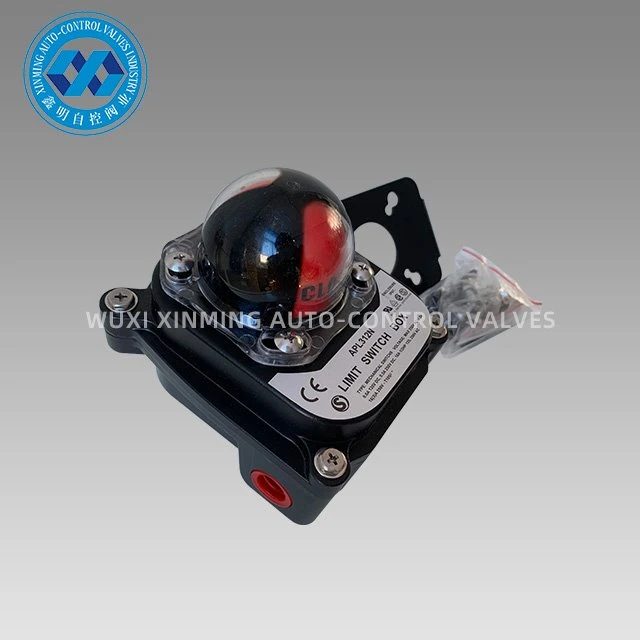
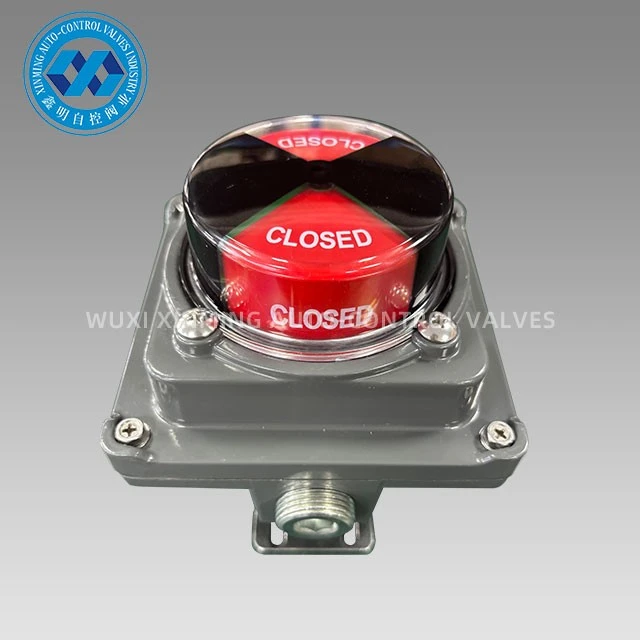
Limit switch boxes come in various types, including Explosion-proof Limit Switch Box, which are designed for use in hazardous environments where the risk of explosion is present. These boxes are constructed with materials and features that prevent the ignition of flammable gases or dust. Another type is the Limit Switch Box Explosion Proof, which offers similar protection but may have different design specifications. The APL312 Limit Switch Box is a specific model that may have unique features and capabilities tailored to certain applications.
Adding Additional Limit Switches
One of the simplest ways to expand the functionality of a limit switch box is to add additional limit switches. This can increase the number of detection points and allow for more complex control scenarios. For example, in a conveyor system, multiple limit switches can be used to detect the position of products at different stages of the process. By adding more limit switches to the box, you can monitor the movement of products more precisely and ensure that they are properly aligned and positioned.
When adding additional limit switches, it's important to consider the electrical capacity of the box. Each limit switch requires a certain amount of electrical current to operate, and exceeding the box's capacity can lead to overheating and potential malfunctions. Make sure to choose limit switches that are compatible with the box's electrical specifications and consult the manufacturer's guidelines for proper installation.
Integrating with Other Control Systems
Another effective way to expand the functionality of a limit switch box is to integrate it with other control systems. This can include programmable logic controllers (PLCs), human-machine interfaces (HMIs), and sensors. By connecting the limit switch box to these systems, you can create a more comprehensive control network that allows for real-time monitoring and adjustment of machinery operations.
For example, a PLC can be programmed to receive signals from the limit switches in the box and use them to control the speed, direction, and operation of motors. An HMI can provide a visual interface for operators to monitor the status of the limit switches and make adjustments as needed. Sensors can be used in conjunction with the limit switches to provide additional data about the environment or the condition of the machinery.
Using Wireless Communication
Wireless communication technology can also be used to expand the functionality of a limit switch box. By equipping the box with a wireless transceiver, you can transmit data from the limit switches to a remote location without the need for physical wiring. This can be particularly useful in applications where wiring is difficult or impractical, such as in mobile equipment or in areas with limited access.
Wireless communication also allows for real-time monitoring and control of the limit switch box from a distance. You can use a smartphone, tablet, or computer to access the data and make adjustments to the settings of the box. This can improve efficiency and reduce the need for on-site maintenance.
Implementing Advanced Sensors
In addition to traditional limit switches, advanced sensors can be incorporated into the limit switch box to expand its functionality. These sensors can provide more detailed information about the environment or the condition of the machinery. For example, temperature sensors can be used to monitor the temperature of the equipment and trigger an alarm if it exceeds a certain threshold. Pressure sensors can be used to detect changes in pressure and ensure that the system is operating within safe limits.
By implementing advanced sensors, you can enhance the safety and reliability of the machinery and prevent potential breakdowns. However, it's important to choose sensors that are compatible with the limit switch box and the overall control system. Make sure to consult with a professional to determine the best sensors for your specific application.
Customizing the Enclosure
The enclosure of the limit switch box can also be customized to expand its functionality. For example, you can add additional ports or connectors to the box to allow for easy connection of external devices. You can also modify the enclosure to provide better protection against environmental factors such as dust, water, and vibration.
Customizing the enclosure can also improve the accessibility and maintainability of the limit switch box. You can design the enclosure to have removable panels or doors that allow for easy access to the internal components. This can make it easier to perform maintenance and repairs on the box without having to disassemble the entire system.
Conclusion
Expanding the functionality of a limit switch box can significantly enhance the performance and reliability of your machinery. By adding additional limit switches, integrating with other control systems, using wireless communication, implementing advanced sensors, and customizing the enclosure, you can tailor the limit switch box to meet the specific requirements of your application.
If you're interested in exploring these options further or have specific needs for your project, I encourage you to reach out to us for a consultation. Our team of experts can provide you with personalized solutions and guidance to help you optimize the functionality of your limit switch box. Contact us today to start the conversation and take your machinery to the next level.
References
- "Industrial Control Technology" by John W. Palm III
- "Automation, Production Systems, and Computer-Integrated Manufacturing" by Mikell P. Groover
- Manufacturer's manuals and guidelines for limit switch boxes and related components