Hey there! As a supplier of AT Pneumatic Actuators, I've got a good grasp of these devices. They're pretty popular in the industry, but like anything else, they come with their fair share of disadvantages. Let's dive right in and take a look at what those might be.
1. Limited Force Output
One of the main drawbacks of AT Pneumatic Actuators is their limited force output. Pneumatic systems rely on compressed air to generate motion. The force that an actuator can produce is directly related to the air pressure and the size of the piston or diaphragm.
In many industrial applications, especially those involving heavy machinery or large valves, the force provided by pneumatic actuators might not be sufficient. For example, in a manufacturing plant where large metal sheets need to be pressed or bent, a hydraulic actuator would be a better choice as it can generate much higher forces compared to a pneumatic one.
This limitation can also be a problem in applications where precise control of high forces is required. If you're trying to control the movement of a heavy load with a pneumatic actuator, it can be difficult to achieve the level of accuracy and consistency needed.
2. Energy Inefficiency
Another significant disadvantage is energy inefficiency. Compressing air requires a lot of energy. Most pneumatic systems use air compressors to generate the compressed air needed for the actuators to operate. These compressors consume a substantial amount of electricity.
In addition to the energy used for compression, there are also losses in the system due to air leakage. Even a small leak in the pneumatic lines can lead to a significant waste of energy over time. And let's face it, leaks are quite common in pneumatic systems, especially in older installations or those that are not properly maintained.
This energy inefficiency not only increases operating costs but also has environmental implications. With the growing emphasis on sustainability, companies are looking for more energy - efficient solutions, and the high energy consumption of AT Pneumatic Actuators can be a deal - breaker in some cases.
3. Noise Pollution
Pneumatic actuators can be quite noisy. When the compressed air is released or exhausted from the actuator, it creates a loud hissing sound. In a factory environment where multiple pneumatic actuators are in operation, the noise level can become extremely high.
Excessive noise can be a health hazard for workers. Prolonged exposure to high noise levels can lead to hearing loss and other health problems. It can also be a distraction, reducing productivity and increasing the risk of accidents in the workplace.
To mitigate the noise issue, additional noise - reducing equipment such as silencers can be installed. However, these add to the cost and complexity of the system.
4. Maintenance Requirements
AT Pneumatic Actuators require regular maintenance. As mentioned earlier, air leaks are a common problem, and detecting and fixing these leaks can be time - consuming. In addition to leaks, the internal components of the actuator, such as the seals and valves, also need to be inspected and replaced periodically.
The air quality is also crucial for the proper functioning of pneumatic actuators. Contaminated air can cause damage to the internal components, leading to premature failure. This means that air filters need to be cleaned or replaced regularly to ensure that the air entering the actuator is clean.
The need for regular maintenance not only adds to the operating costs but also requires skilled technicians. If maintenance is not carried out properly, it can lead to breakdowns and costly downtime.
5. Limited Speed Control
Controlling the speed of AT Pneumatic Actuators can be challenging. Unlike electric actuators, which can easily adjust the speed by varying the voltage or current, pneumatic actuators rely on the flow rate of the compressed air to control speed.
It's difficult to achieve precise and smooth speed control in pneumatic systems. The speed of the actuator can be affected by factors such as air pressure fluctuations, valve response times, and the load on the actuator.
In applications where precise speed control is essential, such as in automated assembly lines or robotics, the limited speed control capabilities of pneumatic actuators can be a major drawback.
6. Susceptibility to Environmental Conditions
Pneumatic actuators are sensitive to environmental conditions. High humidity can cause corrosion inside the actuator and the pneumatic lines. Moisture in the compressed air can also lead to freezing in cold environments, which can damage the components and disrupt the operation of the actuator.
Dust and dirt in the air can also be a problem. These contaminants can clog the air filters and valves, reducing the performance of the actuator and increasing the risk of breakdowns.
In harsh industrial environments, such as mines or construction sites, where there is a lot of dust, dirt, and moisture, the reliability of AT Pneumatic Actuators can be severely compromised.
7. Cost of Installation
The initial cost of installing a pneumatic system can be relatively high. In addition to the cost of the actuators themselves, you need to purchase an air compressor, air storage tanks, valves, and piping. The installation process also requires careful planning and skilled labor.
Moreover, if you need to expand or modify the pneumatic system in the future, it can be quite expensive. You may need to add more compressors, valves, or piping, which can add up to a significant cost.
Despite these disadvantages, AT Pneumatic Actuators still have their place in many applications. They are relatively simple in design, reliable in some cases, and can be a cost - effective solution for certain low - force and low - precision applications. For example, in some simple automation tasks where the force requirements are not high, such as opening and closing small valves, pneumatic actuators can work just fine.
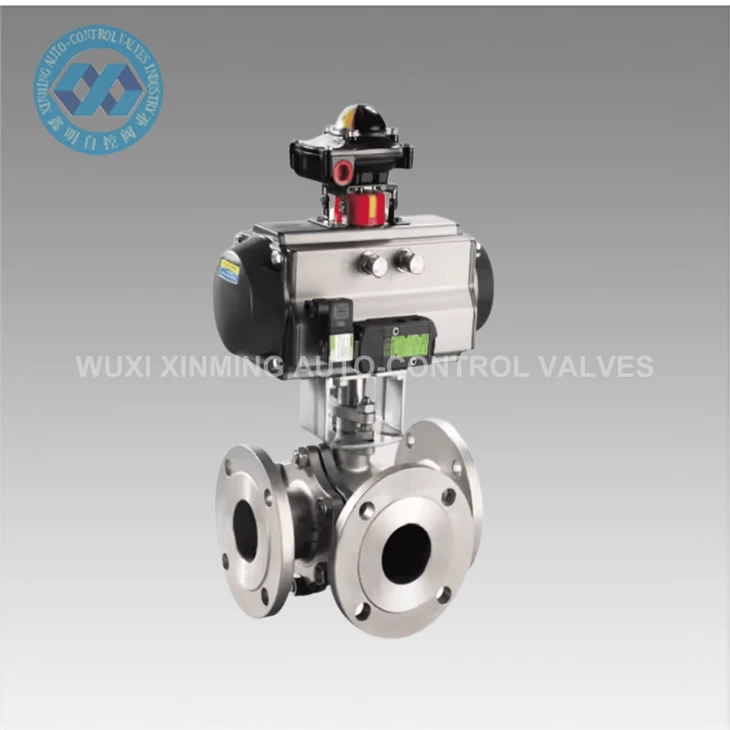
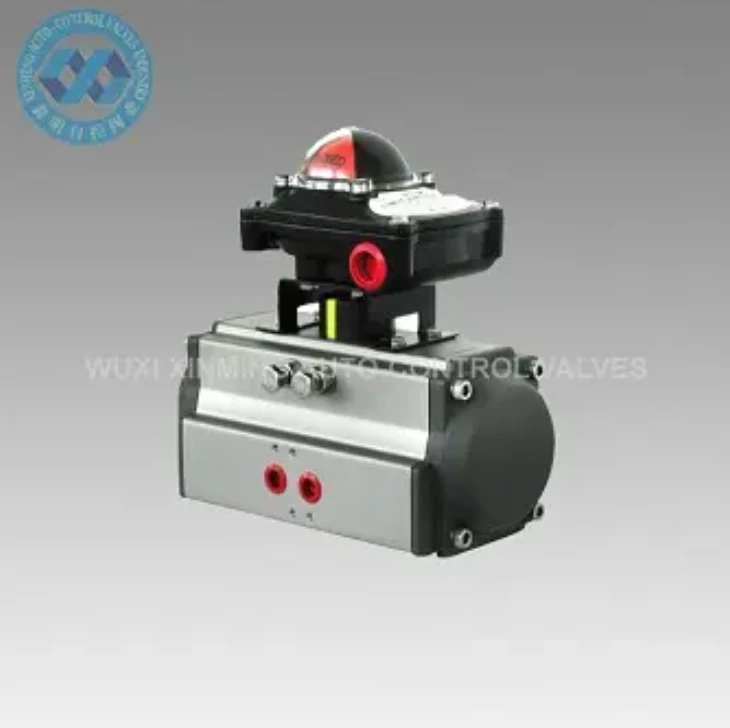
If you're considering using AT Pneumatic Actuators in your application, it's important to weigh the pros and cons carefully. And if you have any questions or need more information, feel free to reach out to us. We can help you determine if these actuators are the right choice for your specific needs. You can also check out some of our related products like the Pneumatic 3 Flange Ball Valve, Pneumatic Actuator For Three - stage Flow Control Of Petrochemical Pipeline, and Valve Airtac Pneumatic Cylinder Actuator with actuator position indicator.
If you're interested in purchasing our AT Pneumatic Actuators or want to discuss your requirements further, don't hesitate to contact us. We're here to assist you in finding the best solution for your business.
References
- "Pneumatic Actuators: Principles and Applications" - A technical guide on pneumatic actuators.
- "Industrial Automation Handbook" - A comprehensive resource on industrial automation technologies, including pneumatic systems.
- Various industry reports on energy efficiency and environmental impact of industrial equipment.