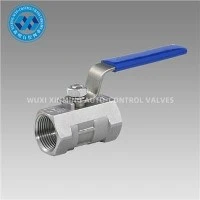
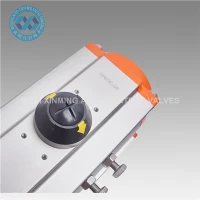
Hey there! As a supplier of AT Pneumatic Actuators, I often get asked about how to install a solenoid valve on these actuators. It's a pretty common task, but it can seem a bit daunting if you're not familiar with the process. In this blog post, I'll walk you through the steps to install a solenoid valve on an AT Pneumatic Actuator, and share some tips and tricks along the way.
What You'll Need
Before we start, let's go over the tools and materials you'll need for this installation:
- An AT Pneumatic Actuator
- A solenoid valve that's compatible with your actuator
- A set of wrenches
- Teflon tape or thread sealant
- A pneumatic fitting (if required)
- Safety glasses and gloves
Step 1: Choose the Right Solenoid Valve
The first step is to make sure you have the right solenoid valve for your AT Pneumatic Actuator. You'll need to consider factors like the actuator's size, the operating pressure, and the flow rate. It's also important to choose a valve that's compatible with the type of pneumatic system you're using. If you're not sure which valve is right for you, don't hesitate to reach out to us. We're here to help you make the right choice.
Step 2: Prepare the Actuator
Once you have the right solenoid valve, it's time to prepare the actuator for installation. Start by turning off the power to the actuator and releasing any pressure in the system. This will help prevent any accidents or injuries during the installation process. Next, locate the mounting points on the actuator where the solenoid valve will be installed. These are usually marked with holes or threaded ports.
Step 3: Install the Solenoid Valve
Now it's time to install the solenoid valve on the actuator. Begin by applying a thin layer of Teflon tape or thread sealant to the threads of the valve and the mounting ports on the actuator. This will help create a tight seal and prevent any air leaks. Then, carefully thread the valve into the mounting ports and tighten it using a wrench. Make sure not to over-tighten the valve, as this could damage the threads or the valve itself.
Step 4: Connect the Pneumatic Lines
After the solenoid valve is installed, you'll need to connect the pneumatic lines. This involves attaching the appropriate pneumatic fittings to the valve and the actuator. Make sure to use the correct size and type of fittings for your system. Once the fittings are attached, connect the pneumatic lines to the valve and the actuator. You may need to use a wrench to tighten the fittings and ensure a secure connection.
Step 5: Test the System
Once the solenoid valve is installed and the pneumatic lines are connected, it's time to test the system. Turn on the power to the actuator and slowly increase the pressure in the system. Check for any air leaks around the valve and the connections. If you notice any leaks, tighten the fittings or apply more sealant as needed. You should also test the solenoid valve to make sure it's working properly. You can do this by activating the valve and observing the movement of the actuator.
Tips and Tricks
- Make sure to follow the manufacturer's instructions when installing the solenoid valve. This will help ensure a proper installation and prevent any damage to the valve or the actuator.
- Use a thread sealant or Teflon tape to prevent air leaks. This will help improve the efficiency of the system and prevent any potential problems.
- Keep the work area clean and organized. This will make the installation process easier and help prevent any accidents or injuries.
- If you're not comfortable installing the solenoid valve yourself, don't hesitate to hire a professional. They have the experience and expertise to do the job safely and correctly.
Related Products
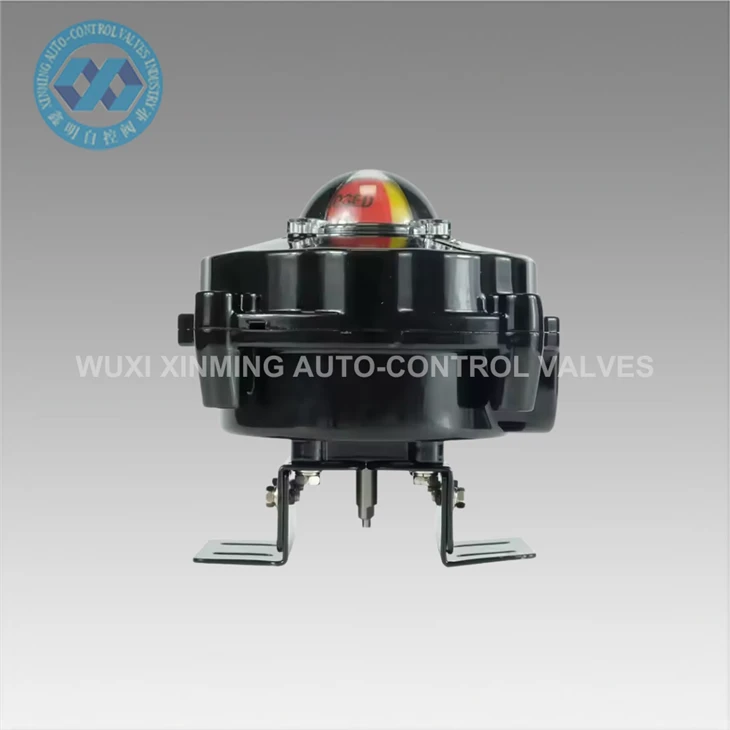
If you're looking for other products to enhance the performance of your AT Pneumatic Actuator, check out our Double Eccentric Flange Butterfly Valve. This valve is designed to provide precise control and reliable operation in a variety of applications. We also offer an Accurate And Reliable Pneumatic Limit Switch that can be used to monitor the position of the actuator and provide feedback to the control system. And for those challenging high-temperature and high-pressure applications, we have a High Temperature And High Pressure Challenge Pneumatic Limit Switch Explosion-proof Feedback Device that's built to withstand the toughest conditions.

Conclusion
Installing a solenoid valve on an AT Pneumatic Actuator is a relatively straightforward process, but it does require some careful attention to detail. By following the steps outlined in this blog post and using the right tools and materials, you can ensure a successful installation. If you have any questions or need further assistance, don't hesitate to contact us. We're here to help you get the most out of your AT Pneumatic Actuator. Whether you're a seasoned professional or a DIY enthusiast, we're confident that our products and expertise can meet your needs. So, if you're in the market for an AT Pneumatic Actuator or any related products, feel free to reach out to us for a quote or to discuss your specific requirements. We look forward to working with you!
References
- Manufacturer's instructions for the AT Pneumatic Actuator and the solenoid valve.
- Industry standards and best practices for pneumatic system installation.