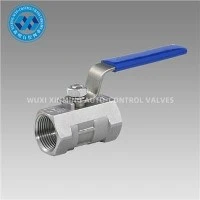
Hey there! As a supplier of 24V solenoid valves, I've seen firsthand how crucial it is to optimize their performance. Whether you're using them in industrial automation, HVAC systems, or any other application, a well - performing solenoid valve can make a world of difference. So, let's dive into some tips on how to get the most out of your 24V solenoid valve.
Understanding the Basics
First things first, it's important to understand what a 24V solenoid valve is and how it works. A solenoid valve is an electromechanical device that controls the flow of fluid or gas. The 24V part refers to the voltage required to operate the solenoid. When an electrical current is applied to the solenoid coil, it creates a magnetic field that moves a plunger or a poppet, which in turn opens or closes the valve.
Proper Installation
The installation process is a critical step in optimizing the performance of a 24V solenoid valve. Make sure to install the valve in a clean environment to prevent any debris from getting into the valve and causing blockages. The valve should be mounted in the correct orientation as specified by the manufacturer. Incorrect mounting can lead to uneven wear and tear and can even cause the valve to malfunction.
Also, ensure that the piping connected to the valve is properly sized and free of any kinks or restrictions. A restricted flow can put extra strain on the valve and reduce its efficiency. Check for any leaks around the valve connections after installation. Even a small leak can lead to loss of pressure and affect the overall performance of the system.
Power Supply
Since we're talking about a 24V solenoid valve, the power supply is of utmost importance. Always use a stable and regulated 24V power source. Fluctuations in voltage can cause the solenoid to overheat or not operate properly. If the voltage is too low, the solenoid may not generate enough magnetic force to open or close the valve fully. On the other hand, if the voltage is too high, it can damage the solenoid coil.
You might also want to consider using a surge protector to protect the valve from any sudden voltage spikes. This can significantly extend the lifespan of the solenoid valve and keep it performing at its best.
Maintenance
Regular maintenance is key to keeping your 24V solenoid valve in top shape. Inspect the valve periodically for any signs of wear and tear, such as corrosion, leaks, or damaged seals. Replace any worn - out parts immediately to prevent further damage to the valve.
Clean the valve regularly to remove any dirt, debris, or deposits that may have accumulated inside. Depending on the application, you may need to use a specific cleaning solution. Just make sure to follow the manufacturer's instructions when cleaning the valve.


Lubrication is another important aspect of maintenance. Some solenoid valves require lubrication to ensure smooth operation. Use the recommended lubricant and apply it as per the manufacturer's guidelines.
Choosing the Right Valve for the Application
Not all 24V solenoid valves are created equal. Different applications have different requirements, and it's essential to choose the right valve for the job. For example, if you need a valve for controlling the flow of air in a pneumatic system, you might want to check out our Single And Double Acting Pneumatic Actuator Solenoid Valve. This valve is specifically designed for pneumatic applications and can provide reliable performance.
If you're looking for a valve with a long lifespan, our Long Life Pneumatic Air Control Solenoid Valve could be the perfect choice. It's built to withstand the test of time and can handle continuous operation without much trouble.
For mechanical equipment that requires high precision control of pneumatic air, our Mechanical Equipment Special, High Precision Pneumatic Air Control Solenoid Valve is a great option. It offers accurate flow control and can meet the demanding requirements of mechanical systems.
Temperature and Pressure Considerations
The temperature and pressure of the fluid or gas flowing through the solenoid valve can have a significant impact on its performance. Make sure that the valve is rated for the temperature and pressure conditions of your application. If the temperature is too high, it can cause the solenoid coil to overheat and reduce its lifespan. Similarly, if the pressure is too high, it can put excessive stress on the valve and cause it to fail.
Monitor the temperature and pressure regularly and take appropriate measures if they exceed the recommended limits. You may need to install additional components such as pressure regulators or temperature sensors to keep the conditions within the acceptable range.
Control and Automation
In many modern applications, solenoid valves are used in automated systems. Proper control and automation can greatly enhance the performance of the 24V solenoid valve. Use a reliable control system to accurately time the opening and closing of the valve. This can improve the efficiency of the overall system and reduce energy consumption.
You can also use sensors to monitor the status of the valve and the flow of fluid or gas. If any issues are detected, the control system can take corrective action immediately, preventing any major problems from occurring.
Troubleshooting
Even with proper installation and maintenance, issues may still arise with your 24V solenoid valve. If the valve is not opening or closing properly, check the power supply first. Make sure that the voltage is correct and that there are no loose connections.
If the valve is leaking, inspect the seals and gaskets. They may need to be replaced if they are worn or damaged. If you notice any unusual noises or vibrations coming from the valve, it could be a sign of internal damage. In such cases, it's best to consult a professional or contact the manufacturer for further assistance.
In conclusion, optimizing the performance of a 24V solenoid valve involves a combination of proper installation, a stable power supply, regular maintenance, and choosing the right valve for the application. By following these tips, you can ensure that your solenoid valve operates efficiently and reliably for a long time.
If you're interested in purchasing high - quality 24V solenoid valves or have any questions about optimizing their performance, don't hesitate to reach out. We're here to help you find the best solutions for your needs. Let's start a conversation and see how we can work together to improve your system's performance.
References
- Solenoid Valve Handbook, Various Manufacturers
- Industrial Automation: Principles and Applications, Academic Publications
- Pneumatic Systems Design and Troubleshooting Guides, Industry Experts