Hey there! As a supplier of ceramic ball valves, I often get asked about the leakage rate of these valves. It's a super important topic, especially for those in industries where precise flow control and minimal leakage are a must. So, let's dive right into what the leakage rate of a ceramic ball valve actually means.
First off, what's a ceramic ball valve? Well, it's a type of valve that uses a ceramic ball with a hole in the middle to control the flow of fluids. The ceramic material gives it some awesome properties like high resistance to corrosion, wear, and high temperatures. This makes it a top - choice for a variety of industries, from chemical processing to power generation.
Now, onto the leakage rate. The leakage rate of a valve is basically how much fluid manages to pass through the valve when it's supposed to be fully closed. It's usually measured in units like cubic centimeters per minute (cc/min) or standard cubic centimeters per minute (sccm) for gases, and liters per hour (l/h) for liquids.
There are a few factors that can affect the leakage rate of a ceramic ball valve. One of the biggest ones is the quality of the seal between the ball and the seats. The seats are the parts that the ball presses against when the valve is closed. If the seats are made of high - quality materials and are properly machined, they can form a tight seal with the ceramic ball, reducing the leakage rate.
Another factor is the surface finish of the ceramic ball. A smooth surface finish on the ball means less friction and a better seal against the seats. Any tiny scratches or imperfections on the ball's surface can create pathways for fluid to leak through.
The operating conditions also play a huge role. For example, high pressures can increase the leakage rate. When there's a lot of pressure pushing the fluid against the closed valve, it can force its way through even the smallest gaps. Temperature can also have an impact. Extreme temperatures can cause the materials in the valve to expand or contract, which might affect the seal and increase the leakage rate.
Let's talk about the different classes of leakage rates. In the valve industry, there are standard leakage classes defined by organizations like the International Society of Automation (ISA) and the American National Standards Institute (ANSI). These classes range from Class I (the highest leakage rate) to Class VI (the lowest leakage rate).
Class I valves are usually used in applications where a small amount of leakage is acceptable, like in some general - purpose water systems. On the other hand, Class VI valves are used in applications where zero leakage is crucial, such as in the pharmaceutical or food and beverage industries.
As a ceramic ball valve supplier, we take great care in manufacturing valves with low leakage rates. We use advanced manufacturing techniques to ensure that the ceramic balls have a perfect surface finish and that the seats are precisely machined. We also test our valves rigorously to make sure they meet or exceed the industry standards for leakage rates.
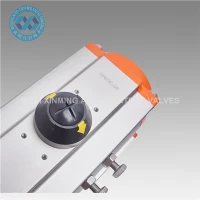
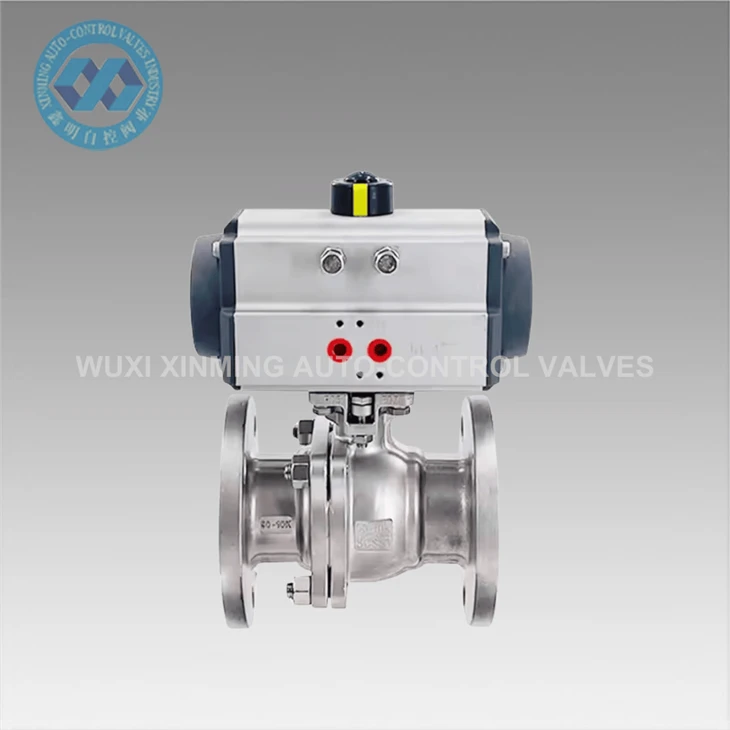
If you're in the market for a ceramic ball valve, you might also be interested in some of our other valve products. We offer a Factory Direct Stainless Steel Flange Pneumatic Ball Valve which is great for applications that require a reliable and cost - effective valve solution. It has a stainless - steel construction that provides good corrosion resistance, and the pneumatic actuator allows for easy remote control.
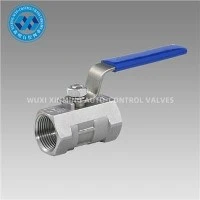
Another option is our Threaded Connection Ball Valve For Compact And Efficient Flow Control. This valve is ideal for applications where space is limited. The threaded connection makes it easy to install, and it provides efficient flow control with a low leakage rate.
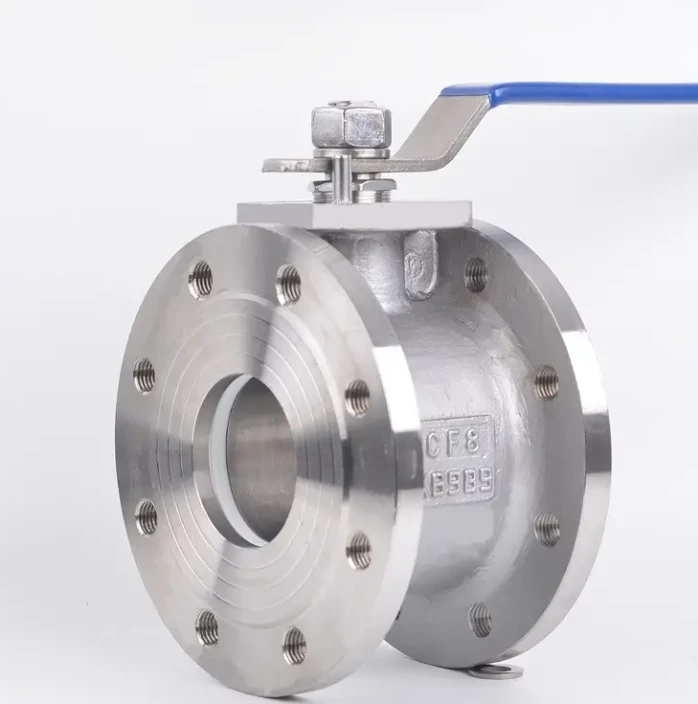
And for those looking for a high - performance valve, our Stainless Steel Pneumatic Italian Thin Ball Valve is a great choice. It's designed with a thin profile, which makes it suitable for applications where weight and space are a concern. The stainless - steel construction and pneumatic actuator ensure reliable operation and low leakage.
When it comes to choosing the right valve for your application, it's important to consider the required leakage rate. If you need a valve with a very low leakage rate, make sure to look for valves that are rated for Class V or VI leakage. You should also consider the operating conditions, such as pressure, temperature, and the type of fluid being controlled.
In conclusion, the leakage rate of a ceramic ball valve is a critical factor to consider when selecting a valve for your application. By understanding the factors that affect the leakage rate and choosing a high - quality valve, you can ensure efficient and reliable flow control.
If you're interested in learning more about our ceramic ball valves or any of our other valve products, or if you want to discuss your specific requirements for an application, don't hesitate to reach out. We're here to help you find the perfect valve solution for your needs.
References
- International Society of Automation (ISA) standards on valve leakage rates
- American National Standards Institute (ANSI) valve standards