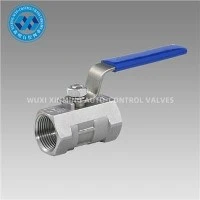
Hey there! As a supplier of PVC butterfly valves, I know how crucial it is to ensure the quality of these valves. In this blog, I'm gonna share with you some practical ways to verify the quality of a PVC butterfly valve.
1. Visual Inspection
First off, a simple visual check can tell you a lot. Take a close look at the valve's exterior. The surface should be smooth, without any visible cracks, scratches, or rough spots. A rough or damaged surface might indicate poor manufacturing processes or material quality.
For instance, if you see small cracks on the body of the PVC butterfly valve, it could mean that the PVC material was not properly formulated or that the valve was subjected to excessive stress during production. Also, check the color of the valve. A consistent color throughout the valve is a good sign. Any discoloration could be a sign of chemical instability or improper curing of the PVC.
2. Material Quality
The quality of the PVC material used in the valve is of utmost importance. High - quality PVC should be durable, resistant to corrosion, and have good mechanical properties. One way to test the material is by conducting a hardness test. You can use a simple hardness tester. A valve made from good - quality PVC should have a consistent hardness across its body.
Another aspect is the chemical resistance of the PVC. PVC butterfly valves are often used in environments where they come into contact with various chemicals. So, they need to be able to withstand these chemicals without degrading. You can ask the manufacturer for a chemical compatibility chart, which lists the chemicals that the valve can safely handle.
If you're considering a valve for a specific chemical application, make sure to cross - reference the chart. For example, if you're using the valve in a water treatment plant where it will be exposed to chlorine, you need to ensure that the PVC material is resistant to chlorine.

3. Dimensions and Tolerance
Accurate dimensions are essential for the proper functioning of a PVC butterfly valve. The valve should fit perfectly into the pipeline system where it will be installed. Check the diameter of the valve, the thickness of the body, and the length of the stem. These dimensions should match the specifications provided by the manufacturer.
Tolerance is also a key factor. Tolerance refers to the allowable deviation from the specified dimensions. A high - quality valve will have tight tolerances. For example, if the specified diameter of the valve is 50mm, a valve with a tight tolerance might have an acceptable deviation of only ±0.1mm. You can use precision measuring tools like calipers and micrometers to check the dimensions and ensure they are within the specified tolerance.
4. Sealing Performance
The sealing performance of a PVC butterfly valve is critical. A good valve should be able to prevent leakage effectively. You can perform a simple leakage test. Close the valve completely and apply pressure to one side of the valve. Then, check for any signs of leakage on the other side.
There are different types of seals used in PVC butterfly valves, such as elastomeric seals. The quality of these seals can greatly affect the sealing performance. The seals should be made from high - quality materials that are resistant to wear and tear. They should also fit snugly around the valve disc to ensure a tight seal.
5. Operational Smoothness
The valve should operate smoothly. You can manually open and close the valve a few times to check its operational smoothness. There should be no jerks or excessive resistance during the opening and closing process. If the valve is difficult to operate, it could be due to a misaligned stem, a damaged disc, or poor - quality bearings.
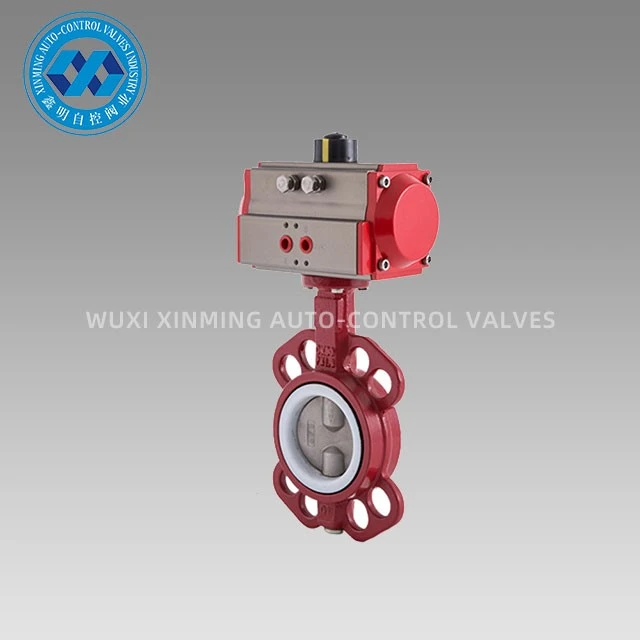
For valves that are operated by an actuator, such as a Penumatic Actuator Ductile Iron Wafer Butterfly Valve, the actuator should work in harmony with the valve. The actuator should be able to open and close the valve accurately and quickly. You can test the actuator by sending control signals and observing the valve's response.
6. Pressure and Temperature Ratings
Every PVC butterfly valve has a specific pressure and temperature rating. These ratings indicate the maximum pressure and temperature that the valve can safely handle. Make sure to check these ratings against your application requirements.
If you install a valve with a lower pressure rating than required, it could lead to valve failure, which can be dangerous and costly. Similarly, if the valve is used at a temperature higher than its rated temperature, the PVC material might soften or deform, affecting the valve's performance.
7. Comparison with Industry Standards
Compare the PVC butterfly valve with relevant industry standards. There are various standards such as ISO, ASTM, and ANSI that define the quality and performance requirements for valves. A valve that meets these standards is more likely to be of high quality.
You can check if the valve has the appropriate certifications. Certifications are a sign that the valve has been tested and meets the requirements of the standard. For example, a valve with an ISO certification means that it has been manufactured according to the international quality management system.
8. Manufacturer Reputation
The reputation of the manufacturer is also an important factor. A well - established manufacturer with a good track record is more likely to produce high - quality valves. You can look for customer reviews and testimonials online. Check if the manufacturer has a history of providing good customer service and reliable products.
You can also ask for references from the manufacturer. Contact these references to get first - hand information about the quality of the valves and the manufacturer's support.
Conclusion
Verifying the quality of a PVC butterfly valve involves a combination of visual inspection, material testing, performance testing, and checking against industry standards. By following these steps, you can ensure that you're getting a high - quality valve that will perform well in your application.
If you're in the market for a PVC butterfly valve, or any other types of valves like Central Line Butterfly Valve and Stainless Steel Butterfly Valve, don't hesitate to reach out for more information. We're here to help you make the right choice for your needs. Whether you have questions about product specifications, pricing, or installation, we're just a message away. Let's start a conversation and see how we can work together to meet your valve requirements.
References
- Valve Handbook by J. S. Tuzson
- ASTM Standards for Valves
- ISO Guidelines on Valve Manufacturing