Hey there! As a solenoid valve supplier, I've seen firsthand how crucial it is to use these valves safely. Solenoid valves are used in a wide range of applications, from industrial machinery to home appliances. They're super handy, but if not used correctly, they can pose some serious risks. So, let's dive into the safety considerations when using a solenoid valve.
1. Electrical Safety
One of the first things to think about is electrical safety. Solenoid valves rely on an electric current to operate. This means there's always a risk of electrical shock if things aren't set up right.
- Proper Wiring: Make sure the wiring is done correctly. Use the right gauge of wire for the current requirements of the valve. A wire that's too thin can overheat, which is a major fire hazard. Also, ensure all connections are tight and insulated. Loose connections can cause arcing, which can damage the valve and pose an electrical shock risk.
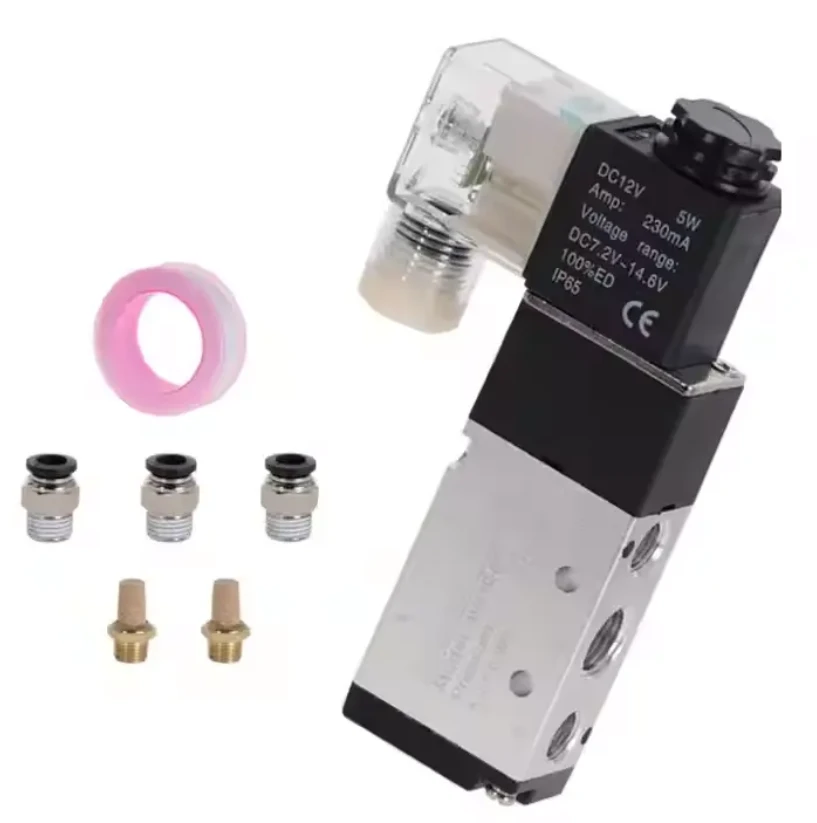
- Voltage Compatibility: Check the voltage rating of the solenoid valve. Using a valve with the wrong voltage can lead to overheating, premature failure, or even a fire. For example, if you have a 220V Solenoid Valve, make sure it's connected to a 220V power source.
- Grounding: Proper grounding is essential. It helps protect against electrical faults by providing a safe path for the current to flow in case of a short circuit. Always follow the manufacturer's instructions for grounding the solenoid valve.
2. Pressure and Flow Considerations
Solenoid valves are designed to work within specific pressure and flow ranges. Exceeding these limits can cause the valve to malfunction or even fail catastrophically.
- Pressure Rating: Know the maximum pressure the valve can handle. If the pressure in the system exceeds this rating, the valve may leak, burst, or cause damage to other components in the system. Check the valve's specifications and make sure the system pressure is within the acceptable range.
- Flow Rate: Similarly, the flow rate of the fluid or gas passing through the valve should be within the valve's rated capacity. A flow rate that's too high can cause excessive wear on the valve, while a flow rate that's too low may not allow the valve to operate properly.
- Pressure Relief: Consider installing a pressure relief valve in the system. This can help prevent overpressure situations and protect the solenoid valve and other components from damage.
3. Fluid and Gas Compatibility
The type of fluid or gas passing through the solenoid valve is also an important safety consideration.

- Chemical Compatibility: Different solenoid valves are designed to work with specific types of fluids and gases. Using a valve with a fluid or gas that it's not compatible with can cause corrosion, leakage, or other problems. For example, a valve designed for water may not be suitable for use with a corrosive chemical. Check the valve's material and compatibility chart before use.
- Temperature: The temperature of the fluid or gas can also affect the performance and safety of the solenoid valve. Make sure the valve is rated for the temperature range of the system. High temperatures can cause the valve's seals to degrade, while low temperatures can make the valve less responsive.
4. Installation and Maintenance
Proper installation and regular maintenance are key to ensuring the safe operation of solenoid valves.
- Installation: Follow the manufacturer's installation instructions carefully. Make sure the valve is installed in the correct orientation and that all connections are tight. Improper installation can lead to leaks, improper operation, or damage to the valve.
- Maintenance: Regular maintenance is essential to keep the solenoid valve in good working condition. This includes cleaning the valve, checking for leaks, and replacing worn or damaged parts. A well - maintained valve is less likely to malfunction and pose a safety risk.
- Inspection: Periodically inspect the valve for signs of wear, damage, or leakage. Look for cracks, corrosion, or other visible defects. If you notice any problems, replace the valve or have it repaired by a qualified technician.
5. Environmental Factors
The environment in which the solenoid valve is used can also affect its safety.
- Humidity and Moisture: High humidity or exposure to moisture can cause corrosion and electrical problems. If the valve is installed in a damp environment, consider using a valve with a waterproof or moisture - resistant design.
- Dust and Debris: Dust and debris can clog the valve and prevent it from operating properly. Make sure the valve is installed in a clean environment or use a filter to prevent dust and debris from entering the valve.
- Vibration and Shock: Excessive vibration or shock can damage the valve. If the valve is installed in an area with high vibration, use vibration - isolating mounts or other measures to protect the valve.
6. Operator Training
Finally, proper operator training is crucial for the safe use of solenoid valves.
- Understanding the Valve: Operators should be trained to understand how the solenoid valve works, its limitations, and the safety procedures associated with its use. They should know how to operate the valve correctly, how to recognize signs of malfunction, and what to do in case of an emergency.
- Emergency Procedures: Make sure operators are familiar with the emergency procedures in case of a valve failure or other problem. This may include shutting off the power, isolating the valve, or taking other appropriate actions to prevent further damage or injury.
In conclusion, using a solenoid valve safely requires careful consideration of electrical safety, pressure and flow, fluid and gas compatibility, installation and maintenance, environmental factors, and operator training. By following these safety guidelines, you can ensure the reliable and safe operation of your solenoid valves.
If you're in the market for high - quality solenoid valves, we've got you covered. We offer a wide range of solenoid valves, including the High - Performance Two - Position Five - Way Pneumatic Solenoid Valve With Electric Coil and the Pneumatic Solenoid Valve 5 Way 2 - position Control Air 12V 24V. If you have any questions or are interested in a purchase, don't hesitate to reach out. We're here to help you find the right solenoid valve for your needs.
References
- Manufacturer's manuals for solenoid valves
- Industry standards for electrical and mechanical safety