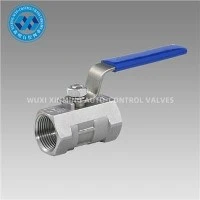
Hey there! As a ball valve supplier, I've dealt with all sorts of situations when it comes to transporting these essential pieces of equipment. In this blog, I'll share some tips on how to transport a ball valve safely and efficiently.
First things first, let's talk about why proper transportation matters. Ball valves are precision - engineered devices. Any damage during transit can lead to malfunctions, leaks, or even complete failure. That's a headache no one wants, whether you're the supplier shipping them out or the customer waiting to install them.
Pre - transport Preparation
Before you even think about loading the ball valves onto a vehicle, you need to do some prep work. The first step is inspection. You gotta check each ball valve for any visible damage. Look for scratches, dents, or any signs of wear and tear. If you spot anything, it's best to address it before shipping. Maybe it's just a minor issue that can be fixed, or you might need to replace the valve altogether.
Next up is cleaning. A dirty ball valve can not only look bad but can also cause problems during installation. Use a suitable cleaning agent to remove any dirt, debris, or grease. Make sure to dry it thoroughly to prevent rust or corrosion during transit.
Once the valves are clean and inspected, it's time for packaging. You can't just throw them in a box and call it a day. For small ball valves, individual plastic bags can be a great start. This protects them from scratches and keeps them separated. Then, place these bagged valves in a sturdy cardboard box. Fill any empty spaces with packing materials like bubble wrap or foam peanuts. This helps to cushion the valves and prevent them from moving around during transport.
For larger ball valves, custom - made wooden crates are often the way to go. These crates provide extra protection against impacts and rough handling. Line the inside of the crate with soft materials to further safeguard the valve. You can also use straps or brackets to secure the valve in place within the crate.
Choosing the Right Transport Method
Now that your ball valves are all prepped and packed, it's time to choose how to get them to their destination. There are several options available, each with its own pros and cons.
Road Transport
This is probably the most common method for local or regional deliveries. Trucks offer a lot of flexibility. You can choose different sizes of trucks depending on the volume of ball valves you're shipping. Smaller trucks are great for quick, local deliveries, while larger semi - trailers can handle big orders.
However, road transport also has its challenges. Traffic can cause delays, and rough roads can subject the valves to vibrations and shocks. To minimize these risks, make sure the truck is well - maintained. Check the suspension and tires regularly. Also, try to plan your route to avoid bumpy or congested roads as much as possible.
Rail Transport
If you're shipping ball valves over long distances within a country, rail transport can be a cost - effective option. Trains can carry large volumes of goods at once, and they're generally more stable than trucks. The tracks provide a smoother ride, reducing the chances of damage from vibrations.
But there are some downsides. Rail transport is less flexible than road transport. You need to have access to a railway station for loading and unloading. And the schedules might not always align with your delivery needs.
Air Transport
For urgent or international deliveries, air transport is the way to go. It's the fastest method, getting your ball valves to their destination in no time. This is especially useful if your customer has a tight installation schedule.
However, air transport is also the most expensive option. There are also strict regulations regarding the packaging and handling of goods for air travel. Make sure you comply with all the requirements to avoid any issues at the airport.
Sea Transport
If you're exporting ball valves to other countries, sea transport is a popular choice. Container ships can carry huge quantities of goods, making it a cost - effective option for large orders.

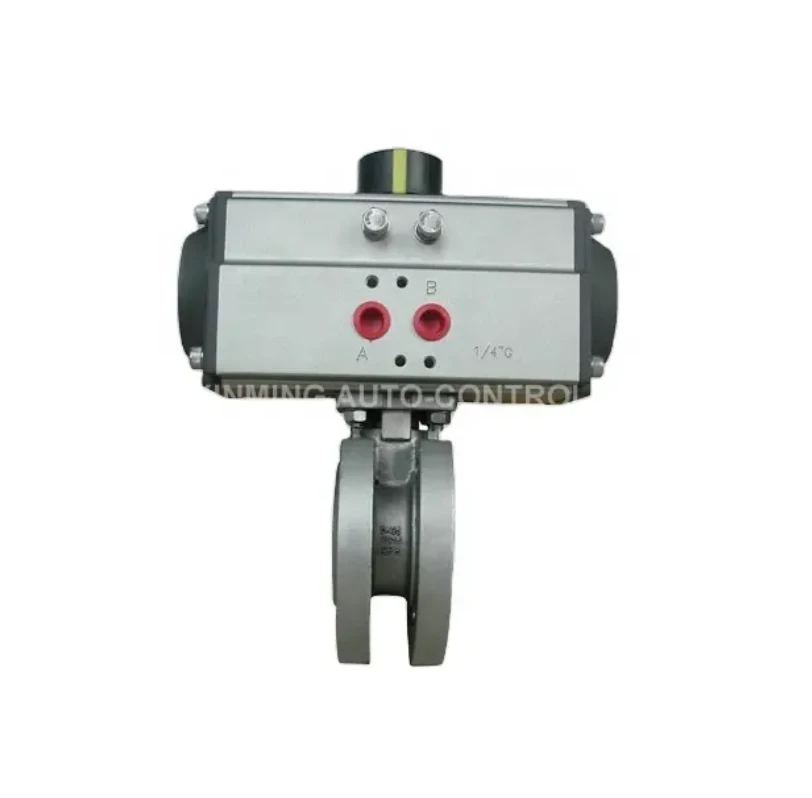
But sea transport takes a long time. You need to factor in the transit time when planning your deliveries. Also, the valves need to be well - protected against the harsh marine environment, including saltwater corrosion.
During Transport
Once your ball valves are on the move, there are still some things you need to keep in mind. Monitoring the temperature and humidity is crucial, especially if you're transporting the valves over long distances or in extreme climates. High humidity can cause rust, while extreme temperatures can affect the performance of the valve's materials.
You can use data loggers to keep track of these conditions. If you notice any abnormal readings, you can take action to protect the valves. For example, if the humidity is too high, you might need to add desiccants to the packaging.
Another important thing is to ensure proper handling. Whether it's loading and unloading at the warehouse or transferring between different modes of transport, the valves need to be handled with care. Train your staff or the transport workers on the correct handling procedures. Avoid dropping or rough - handling the valves, as this can cause internal damage that might not be visible immediately.
Unloading and Receiving
When the ball valves reach their destination, proper unloading is just as important as the transport itself. Use the right equipment, such as forklifts or cranes, to lift the valves. Make sure the personnel handling the unloading are trained to do so safely.
Once the valves are unloaded, the customer should conduct a final inspection. This is to check for any damage that might have occurred during transport. If any issues are found, it's important to document them immediately and contact the supplier.
Conclusion
Transporting ball valves safely and efficiently requires careful planning and attention to detail. From pre - transport preparation to choosing the right transport method and monitoring during transit, every step plays a crucial role.
If you're in the market for high - quality ball valves, we've got you covered. Check out our Sanitary Grade Stainless Steel 304 316 Ball Valve, Chinese Pneumatic Actuator Wafer Thin Ball Valve Factory Price, and WCB Ball Valve. We're always ready to discuss your specific needs and provide the best solutions. If you're interested in purchasing our ball valves, don't hesitate to reach out for a procurement negotiation.
References
- Industry standards for ball valve packaging and transport
- Experience and best practices from years of working as a ball valve supplier