Can a thread ball valve be used in a sewage treatment system?
In the complex and crucial realm of sewage treatment systems, the selection of appropriate valves plays a pivotal role in ensuring efficient and reliable operation. As a reputable thread ball valve supplier, I am often asked whether thread ball valves can be effectively utilized in sewage treatment applications. In this blog post, I will delve into the characteristics of thread ball valves, the requirements of sewage treatment systems, and analyze the feasibility of using thread ball valves in such environments.
Understanding Thread Ball Valves
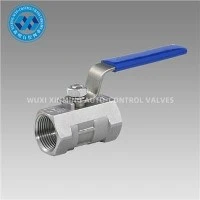
Thread ball valves are a type of quarter - turn valve that uses a ball with a hole in the middle to control the flow of fluid. When the valve is open, the hole in the ball aligns with the pipeline, allowing the fluid to pass through. When the valve is closed, the ball is rotated 90 degrees, blocking the flow. The threaded ends of these valves make them easy to install and remove, providing a convenient connection to pipes.
One of the key advantages of thread ball valves is their tight shut - off capability. The ball and seat design ensures a reliable seal, minimizing leakage even under high pressure. They also offer low flow resistance, which means that they can maintain a relatively high flow rate with minimal energy loss. Additionally, thread ball valves are known for their durability and long service life, as they have fewer moving parts compared to some other types of valves, reducing the likelihood of mechanical failure.
Requirements of Sewage Treatment Systems
Sewage treatment systems are designed to remove contaminants from wastewater before it is discharged into the environment. These systems typically consist of several stages, including preliminary treatment, primary treatment, secondary treatment, and tertiary treatment. Each stage has specific requirements for the valves used, depending on the nature of the process and the characteristics of the fluid being handled.
In sewage treatment, the valves need to be able to handle a variety of substances, including solid particles, sludge, and chemicals. They must be resistant to corrosion and abrasion, as the sewage can be highly corrosive due to the presence of acids, alkalis, and other chemicals. Moreover, the valves should be able to operate reliably in a harsh environment with varying temperatures and pressures.
Feasibility of Using Thread Ball Valves in Sewage Treatment Systems
Advantages
- Tight Shut - off: In sewage treatment, preventing leakage is crucial to avoid environmental pollution and ensure the proper functioning of the system. The tight shut - off feature of thread ball valves makes them suitable for applications where a reliable seal is required, such as isolating sections of the pipeline during maintenance or in emergency situations.
- Low Flow Resistance: Sewage treatment systems often need to maintain a continuous flow of wastewater. The low flow resistance of thread ball valves allows for efficient fluid movement, reducing the energy consumption of the pumps and other equipment in the system.
- Easy Installation and Maintenance: The threaded connection of these valves simplifies the installation process, saving time and labor costs. In addition, their relatively simple design makes them easy to maintain and repair. If a valve malfunctions, it can be quickly replaced without the need for complex tools or extensive downtime.
Challenges
- Solid Particle Handling: Sewage contains solid particles such as sand, grit, and organic matter. These particles can cause abrasion and damage to the ball and seat of the valve, leading to reduced sealing performance over time. To address this issue, some thread ball valves are designed with hardened seats or coatings to improve their resistance to abrasion.
- Corrosion Resistance: The corrosive nature of sewage can pose a challenge to the long - term durability of thread ball valves. However, by using materials such as stainless steel or plastic, the corrosion resistance of the valves can be significantly enhanced. For example, Pneumatic 3PC Stainless Steel Ball Valve offers excellent corrosion resistance, making it suitable for use in sewage treatment systems.
Specific Applications of Thread Ball Valves in Sewage Treatment
- Isolation Valves: Thread ball valves can be used as isolation valves in sewage treatment plants. They can be installed at various points in the pipeline to isolate sections of the system for maintenance or repair. For example, when a pump needs to be serviced, the isolation valve can be closed to prevent the flow of sewage into the pump area.
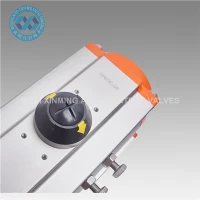
- Flow Control: In some cases, thread ball valves can be used for flow control in sewage treatment systems. By adjusting the position of the ball, the flow rate of the wastewater can be regulated. Pneumatic Actuator 3PC Thread Ball Valve can be used for automated flow control, providing precise and reliable operation.
- Chemical Dosing: Sewage treatment often involves the addition of chemicals such as coagulants and disinfectants. Thread ball valves can be used to control the flow of these chemicals into the wastewater. The tight shut - off and accurate flow control capabilities of these valves ensure the proper dosing of chemicals, which is essential for effective treatment.
Our Product Offerings
As a leading thread ball valve supplier, we offer a wide range of products that are suitable for sewage treatment applications. Our Intelligent - driven Double - acting Pneumatic Plastic Actuator Ball Valve For Precise Opening Control is designed with advanced technology to provide accurate and reliable flow control. It is made of high - quality plastic materials, which offer excellent corrosion resistance and are lightweight for easy installation.
Our stainless steel thread ball valves are also popular choices for sewage treatment systems. They are built to withstand the harsh environment of sewage treatment, with features such as hardened seats and anti - corrosion coatings. We can also customize the valves according to the specific requirements of our customers, ensuring that they get the most suitable solution for their sewage treatment needs.
Conclusion
In conclusion, thread ball valves can be effectively used in sewage treatment systems, provided that the appropriate design and materials are selected to address the challenges posed by the sewage environment. Their tight shut - off, low flow resistance, and ease of installation and maintenance make them a viable option for various applications in sewage treatment plants.
If you are in the process of designing or upgrading a sewage treatment system and are considering using thread ball valves, we encourage you to contact us for more information. Our team of experts can provide you with detailed product specifications, technical support, and guidance on valve selection. We are committed to helping you find the best valve solutions for your sewage treatment needs and ensuring the efficient and reliable operation of your system.


References
- "Valve Handbook" by J. E. O. May.
- "Sewage Treatment and Disposal" by Metcalf & Eddy.