Hey there! As a supplier of WCB Ball Valves, I often get asked about the valve trim material in these valves. So, let's dig into it and understand what exactly it is and why it matters.


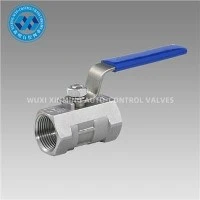
First off, what's valve trim? Well, the valve trim refers to the internal parts of the valve that come into direct contact with the flowing medium. In a WCB Ball Valve, these parts typically include the ball, the seats, and sometimes the stem. The choice of valve trim material is crucial as it can significantly impact the valve's performance, durability, and suitability for different applications.
One of the most common valve trim materials used in WCB Ball Valves is stainless steel. Stainless steel is a popular choice because it offers excellent corrosion resistance. This means that it can withstand exposure to various corrosive substances, such as acids, alkalis, and salts, without getting damaged easily. For example, in industries like chemical processing, where the flowing medium might be highly corrosive, stainless - steel trim is a go - to option. It helps to ensure that the valve can operate effectively over a long period, reducing the need for frequent replacements.
Another important material is brass. Brass trim is known for its good machinability, which means it can be easily shaped into the required parts. It also has decent corrosion resistance, especially in less aggressive environments. Brass is often used in applications where cost is a concern, as it is generally more affordable compared to some other materials. For instance, in residential plumbing systems, where the water is relatively clean and not overly corrosive, brass - trimmed WCB Ball Valves are quite common.
Teflon (PTFE) is also a widely used valve trim material, especially for the seats. Teflon has a very low coefficient of friction, which allows for smooth operation of the ball within the valve. It also has excellent chemical resistance, making it suitable for a wide range of fluids. In applications where tight shut - off is required, Teflon seats can provide a reliable seal. For example, in food and beverage industries, where hygiene and tight sealing are crucial, Teflon - trimmed valves are often used.
Now, let's talk about the importance of choosing the right valve trim material. The wrong choice can lead to premature failure of the valve. If a valve is exposed to a corrosive medium and the trim material is not corrosion - resistant enough, the internal parts will start to deteriorate. This can result in leakage, reduced flow control, and ultimately, the valve may stop working altogether. On the other hand, using a high - end, corrosion - resistant material in an application where it's not really necessary can drive up the cost without adding much value.
As a WCB Ball Valve supplier, I've seen firsthand how the choice of valve trim material can make or break a project. That's why we offer a variety of options to meet different customer needs. Whether you're dealing with a highly corrosive chemical process or a simple residential plumbing job, we can help you select the right valve with the appropriate trim material.
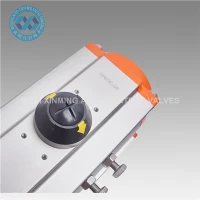
We also have a range of related products that might interest you. For example, we have the Segment Control Valve With Pneumatic Actuator. This valve is great for applications where precise flow control is required, and the pneumatic actuator allows for easy automation.
If you're looking for a valve that can handle different types of fluids in a cost - effective way, our High Performance PVC Ball Valve might be the right choice. PVC is lightweight, corrosion - resistant, and relatively inexpensive, making it suitable for many general - purpose applications.
And for those projects that require a more robust and reliable connection, our Flange Ball Valve is a great option. The flange connection provides a secure and leak - proof joint, ensuring the valve can operate effectively under high pressures.
If you're in the market for WCB Ball Valves or any of our other products, I encourage you to reach out to us. We're here to help you find the perfect valve solution for your specific needs. Whether you have questions about valve trim materials, application suitability, or anything else related to valves, our team of experts is ready to assist you. Don't hesitate to start a conversation with us to discuss your requirements and get a quote.
In conclusion, the valve trim material in a WCB Ball Valve is a critical factor that can greatly affect the valve's performance and longevity. By understanding the different materials available and their properties, you can make an informed decision when choosing a valve. And as your trusted WCB Ball Valve supplier, we're committed to providing you with high - quality products and excellent service.
References
- Valve Handbook by J. F. Mathes
- Industrial Valves: Selection and Sizing by E. W. Schlinger