PVC butterfly valves are widely used in various industries due to their excellent corrosion resistance, lightweight, and cost - effectiveness. As a PVC butterfly valve supplier, I understand the importance of proper maintenance to ensure the longevity and optimal performance of these valves. In this blog, I will discuss the maintenance requirements for a PVC butterfly valve.
Regular Visual Inspection
The first step in maintaining a PVC butterfly valve is to conduct regular visual inspections. This should be done at least once a month, depending on the operating conditions. During the inspection, check for any visible signs of damage, such as cracks, scratches, or deformation on the valve body, disc, and stem. Pay special attention to the areas around the flange connections and the seal.
Cracks in the PVC body can be a serious issue as they can lead to leakage. Small scratches may not seem like a big problem at first, but they can gradually develop into larger cracks over time, especially if the valve is exposed to high - pressure or corrosive fluids. If any damage is detected, it is important to replace the damaged parts immediately to prevent further problems.
Inspect the valve disc for proper alignment and smooth rotation. A misaligned disc can cause uneven sealing and increased wear on the valve components. Check the stem for any signs of wear or corrosion. The stem should rotate freely without any binding or excessive play.
Cleaning
Cleaning is an essential part of PVC butterfly valve maintenance. Over time, dirt, debris, and chemical deposits can accumulate inside the valve, which can affect its performance. Depending on the nature of the fluid flowing through the valve, cleaning may be required on a quarterly or semi - annual basis.
To clean the valve, first, isolate it from the pipeline by closing the upstream and downstream valves. Then, carefully disassemble the valve, following the manufacturer's instructions. Use a soft brush and a mild cleaning solution to remove any dirt or deposits from the valve body, disc, and stem. Avoid using abrasive cleaners or tools that can scratch the PVC surface.
After cleaning, rinse the parts thoroughly with clean water and allow them to dry completely before reassembling the valve. Make sure all the gaskets and seals are in good condition and properly installed during reassembly.
Lubrication
Although PVC butterfly valves generally do not require as much lubrication as metal valves, proper lubrication of the stem and other moving parts can still improve their performance and extend their lifespan. Use a food - grade silicone lubricant or a lubricant recommended by the valve manufacturer.
Apply a small amount of lubricant to the stem and the O - rings or seals. This will reduce friction during valve operation and prevent the parts from sticking together. Lubrication should be done at least once a year, or more frequently if the valve is operating in harsh conditions.
Seal Inspection and Replacement
The seals in a PVC butterfly valve are crucial for preventing leakage. Regularly inspect the seals for signs of wear, aging, or damage. Common signs of seal problems include leakage around the valve stem or between the valve body and the disc.
If the seals are damaged or worn, they should be replaced immediately. When replacing the seals, make sure to use the correct type and size of seals recommended by the valve manufacturer. Improperly sized seals can lead to poor sealing and valve failure.
Pressure and Flow Testing
Periodically, it is important to perform pressure and flow testing on the PVC butterfly valve to ensure it is operating within the specified parameters. This can be done using appropriate testing equipment, such as pressure gauges and flow meters.
Pressure testing should be carried out at least once a year. The test pressure should be within the rated pressure of the valve. Monitor the valve for any signs of leakage or abnormal pressure drops during the test.
Flow testing can help determine if the valve is providing the correct flow rate. Compare the actual flow rate with the design flow rate of the valve. If there are significant differences, it may indicate a problem with the valve, such as a blocked disc or a misaligned stem.
Storage Considerations
If the PVC butterfly valve is not in use and needs to be stored for an extended period, proper storage is essential to prevent damage. Store the valve in a clean, dry place away from direct sunlight and extreme temperatures.
Keep the valve in a closed position to protect the seals from dust and debris. If possible, cover the valve with a protective cover to prevent physical damage. Before reinstalling a stored valve, perform a thorough inspection and cleaning to ensure it is in good working condition.
Importance of Professional Maintenance
While some basic maintenance tasks can be performed by the end - users, it is also advisable to have the PVC butterfly valve professionally maintained at least once every few years. Professional maintenance technicians have the expertise and tools to perform in - depth inspections and repairs.

They can use specialized equipment to detect hidden problems, such as internal cracks or leaks that may not be visible during a visual inspection. Professional maintenance can also ensure that the valve is calibrated correctly and meets all the relevant safety and performance standards.
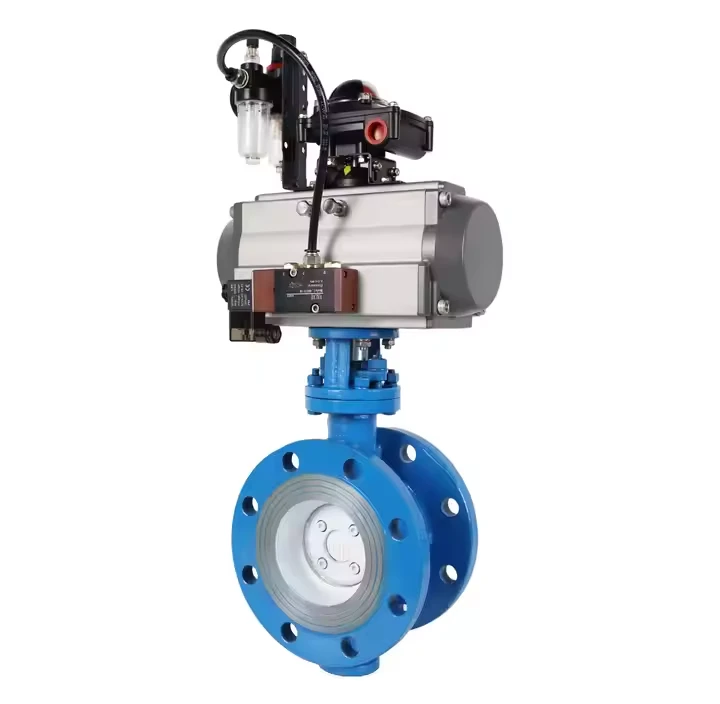
As a PVC butterfly valve supplier, I offer a range of high - quality valves, including the Factory-direct Pneumatic Double Eccentric Flange Butterfly Valve, Triple Eccentric Butterfly Valve, and Triple Eccentric Pneumatic Butterfly Valve. If you have any questions about PVC butterfly valve maintenance or are interested in purchasing our products, please feel free to contact us for further discussion and procurement negotiation.
References
- Valve Manufacturer's Manuals
- Industry Standards for Valve Maintenance
In conclusion, proper maintenance of a PVC butterfly valve is crucial for its long - term performance and reliability. By following the maintenance requirements outlined in this blog, you can ensure that your PVC butterfly valve operates efficiently and effectively for many years to come.