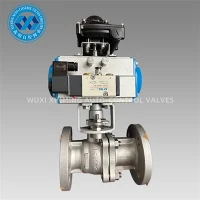
--Choosing the Right Pneumatic Actuator Is More Important Than Many Buyers Realize
At WUXI XINMING AUTO-CONTROL VALVES INDUSTRY CO., LTD., we frequently receive inquiries from customers who are selecting pneumatic actuators for new projects or replacing existing valve automation systems. One thing we have learned over the years is that choosing a pneumatic rack and pinion actuator is not simply about matching a valve size.
In many cases, the actuator is the heart of the automated valve system. An incorrectly selected actuator can lead to insufficient torque, reduced service life, unexpected downtime, and increased maintenance costs.
We have worked with customers in water treatment, chemical processing, power generation, food manufacturing, and general industrial automation. Based on these experiences, here are ten important factors every buyer should evaluate before purchasing a pneumatic rack and pinion actuator.
1. Valve Torque Requirements
This is the first and most critical factor.
Many buyers initially focus on valve size, but valve size alone does not determine actuator selection. Different valve types require different operating torques.
For example:
- Butterfly valves often require higher breakaway torque.
- Ball valves may need additional torque after long periods of inactivity.
- High-performance valves can have unique torque characteristics.
We always recommend obtaining the valve torque data from the valve manufacturer before selecting an actuator.
A properly sized actuator should provide sufficient torque with an appropriate safety margin under actual operating conditions.
2. Operating Air Pressure
Compressed air pressure directly affects actuator output torque.
In one wastewater treatment project we supported, the customer initially selected actuators based on a theoretical air pressure of 6 bar. However, the actual operating pressure at the installation site fluctuated between 4.5 and 5 bar due to pipeline losses.
Without accounting for this difference, the actuator could have been undersized.
Before purchasing, confirm:
- Available air pressure
- Pressure fluctuations
- Distance from air compressor stations
- Air supply reliability
These factors significantly influence actuator performance.
3. Single-Acting or Double-Acting Design
Buyers should determine whether fail-safe functionality is required.
Single-Acting
Advantages:
- Automatic return during air supply failure
- Improved process safety
- Suitable for emergency shutdown applications
Double-Acting
Advantages:
- Higher output torque
- Faster operation
- Lower air consumption during return stroke
- Suitable for frequent cycling applications
The choice depends on the specific process requirements and safety philosophy of the facility.
4. Environmental Conditions
The installation environment can dramatically affect actuator lifespan.
Questions we often ask customers include:
- Is the actuator installed outdoors?
- Is it exposed to rain or UV radiation?
- Is the environment corrosive?
- Are there chemical vapors present?
- Is the site located near coastal areas?
For harsh environments, additional corrosion-resistant coatings and materials may be necessary.
Choosing an actuator designed for the actual operating environment can significantly reduce maintenance costs over time.
5. Temperature Range
Temperature is sometimes overlooked during actuator selection.
Extreme temperatures can affect:
- Seal performance
- Lubrication effectiveness
- Spring characteristics
- Actuator response speed
For example, actuators operating in northern outdoor installations during winter may require low-temperature seal materials.
Likewise, high-temperature industrial processes may require special actuator configurations.
Always verify the expected operating temperature range before purchasing.
6. Cycle Frequency
How often will the valve operate?
This question has a major impact on actuator selection.
Some valves operate:
- A few times per month
- Several times per day
- Hundreds of times per hour
In a chemical dosing project we supported, valves cycled continuously throughout production. The customer required actuators designed specifically for high-cycle service to maximize reliability and minimize wear.
Understanding cycle frequency helps ensure long-term performance.
7. Mounting Standards and Compatibility
A pneumatic actuator must fit the valve correctly.
Most modern rack and pinion actuators follow international standards such as:
- ISO 5211
- NAMUR mounting standards
- However, compatibility should always be verified.
- Before ordering, confirm:
- Valve mounting flange dimensions
- Stem connection dimensions
- Solenoid valve interface requirements
- Accessory mounting requirements
A small mismatch can create installation delays and additional costs.
8. Accessory Requirements
Today's automated valve systems often require more than just an actuator.
Common accessories include:
- Solenoid valves
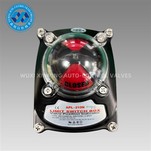
- Limit switch boxes
- Position indicators
- Positioners
- Air filter regulators
- Manual override systems
We often encourage customers to consider the complete automation package during the design stage rather than sourcing components separately later.
This approach typically simplifies installation and commissioning.
9. Maintenance and Serviceability
Long-term ownership costs are just as important as purchase price.
When evaluating pneumatic rack and pinion actuators, consider:
- Ease of maintenance
- Availability of spare parts
- Seal replacement procedures
- Technical support availability
- Product documentation quality
An actuator that is easy to maintain can significantly reduce downtime throughout its service life.
10. Manufacturer Experience and Technical Support
Finally, the supplier itself matters.
In our experience, many actuator issues are not caused by product defects but by incorrect sizing or application selection during the purchasing stage.
A manufacturer with industry experience can help customers
- Calculate torque requirements
- Select suitable actuator models
- Recommend appropriate accessories
- Address installation concerns
- Provide after-sales technical support
This expertise can prevent costly mistakes before equipment reaches the job site.
Why Rack and Pinion Pneumatic Actuators Remain Popular
Rack and pinion actuators continue to be one of the most widely used actuator designs in industrial automation because they offer:
- Compact structure
- Reliable torque output
- Fast operation
- Long service life
- Easy maintenance
- Broad compatibility with quarter-turn valves
From water treatment plants to chemical facilities and manufacturing lines, they remain a practical solution for valve automation.
Final Thoughts
Selecting the right pneumatic rack and pinion actuator involves much more than choosing a model based on valve size alone. Factors such as torque requirements, air pressure, environmental conditions, operating frequency, safety needs, and technical support all contribute to long-term performance.
At WUXI XINMING AUTO-CONTROL VALVES INDUSTRY CO., LTD., we work closely with customers to understand their specific operating conditions before recommending actuator solutions. Through years of project experience, we have found that careful selection at the beginning of a project often leads to greater reliability, lower maintenance costs, and improved operational efficiency over the life of the system.
If you are planning a valve automation project, taking the time to evaluate these ten factors can help ensure you choose a pneumatic rack and pinion actuator that delivers dependable performance for years to come.