

Hey there! As a ball valve supplier, I often get asked about the international standards for ball valves. It's a crucial topic, especially for those in the industry or anyone looking to purchase ball valves. So, let's dive right in and explore what these standards are all about.
Why International Standards Matter
First off, why do we even need international standards for ball valves? Well, they play a super important role in ensuring the quality, safety, and performance of these valves. When you're dealing with different suppliers from all over the world, having a common set of rules makes it easier to compare products. It also helps in making sure that the ball valves you're getting will work well in your specific application.
Major International Standards for Ball Valves
API Standards
The American Petroleum Institute (API) has some well - known standards for ball valves. API 6D, for example, is widely used in the oil and gas industry. This standard covers pipeline ball valves. It sets requirements for design, manufacturing, testing, and marking of these valves. Valves that meet API 6D are designed to handle high - pressure and high - temperature conditions often found in oil and gas pipelines.
ISO Standards
The International Organization for Standardization also has a say in ball valve standards. ISO 17292 is an important one. It's all about industrial ball valves. This standard gives guidelines on dimensions, materials, and testing methods. ISO standards are recognized globally, which means if a ball valve meets ISO requirements, it can be used in a wide range of industries across different countries.
ANSI Standards
The American National Standards Institute (ANSI) standards are another big deal. ANSI B16.34, for instance, deals with valves, flanges, and fittings. It provides specifications for the pressure - temperature ratings, materials, and dimensions of ball valves. These standards are commonly used in North America but also have an influence on the global market.
Specific Types of Ball Valves and Their Standards
Metal - to - metal Ball Valve
A Metal - to - metal Ball Valve is designed to have a metal ball and metal seat. This type of valve is great for applications where there's a lot of wear and tear, like in the mining or chemical industries. The standards for metal - to - metal ball valves often focus on the hardness and durability of the metals used. API and ISO standards usually apply here to ensure that the valve can withstand the harsh conditions it might be exposed to.
WCB Ball Valve
WCB Ball Valve is made from WCB, which is a type of carbon steel. These valves are commonly used in general industrial applications. The standards for WCB ball valves will cover things like the chemical composition of the WCB material, the wall thickness of the valve body, and the pressure - temperature ratings. ANSI and ISO standards are often used to regulate these valves.
Pneumatic Actuator Flange Tee Ball Valve
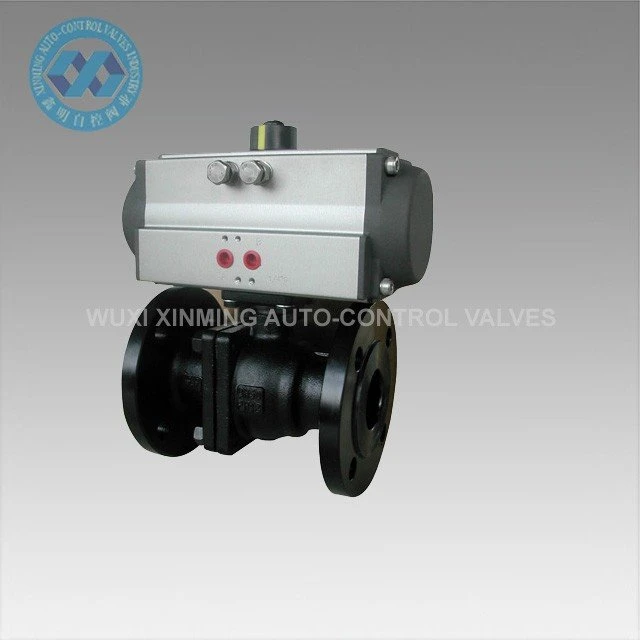
The Pneumatic Actuator Flange Tee Ball Valve is a bit more complex. It has a pneumatic actuator that helps in opening and closing the valve, and it has a tee - shaped design. Standards for these valves will not only cover the ball valve part but also the actuator. They'll include things like the air pressure requirements for the actuator, the torque it can generate, and the overall dimensions of the valve with the actuator attached. API and ISO standards are important here to make sure the valve and actuator work together smoothly.
How These Standards Affect My Business as a Supplier
As a ball valve supplier, these international standards are like my guiding stars. They help me in several ways. First, when I'm manufacturing ball valves, I use these standards as a checklist. I make sure that every valve I produce meets the requirements of the relevant standards. This way, I can guarantee the quality of my products to my customers.
Second, these standards make it easier for me to communicate with my customers. When a customer asks about a ball valve, I can tell them which standards the valve meets. This gives them confidence in the product and helps them make an informed decision.
Finally, having my products meet international standards opens up more markets for me. Since these standards are recognized globally, I can sell my ball valves to customers in different countries without having to worry about them not being suitable for their local requirements.

Quality Control and Standards
To ensure that my ball valves meet the international standards, I have a strict quality control process. Every valve goes through a series of tests. For example, pressure tests are done to make sure the valve can handle the specified pressure without any leaks. Material tests are also carried out to confirm that the materials used are of the right quality.
I also have a team of experts who are well - versed in these standards. They oversee the manufacturing process and make sure that everything is in line with the requirements. This way, I can be sure that every ball valve that leaves my factory is of the highest quality.
Conclusion
In conclusion, international standards for ball valves are essential for the industry. They ensure the quality, safety, and performance of ball valves. As a supplier, I rely on these standards to make sure that I'm providing the best products to my customers. Whether it's a Metal - to - metal Ball Valve, a WCB Ball Valve, or a Pneumatic Actuator Flange Tee Ball Valve, I'm committed to meeting the relevant standards.
If you're in the market for ball valves and want products that meet international standards, I'd love to have a chat with you. Whether you're from the oil and gas industry, mining, or any other sector, I can provide you with the right ball valves for your needs. Just reach out, and we can start discussing your requirements.
References
- American Petroleum Institute (API). API 6D.
- International Organization for Standardization (ISO). ISO 17292.
- American National Standards Institute (ANSI). ANSI B16.34.




